Key Points:
- Waymo is launching its first-ever national TV commercial campaign during the World Cup.
- The ad campaign focuses on human empathy and riders’ experiences rather than on complex tech.
- The Alphabet division currently provides over 500,000 paid robotaxi rides per week across 11 cities.
- This national push follows a $16 billion funding round and growing safety probes by regulators.
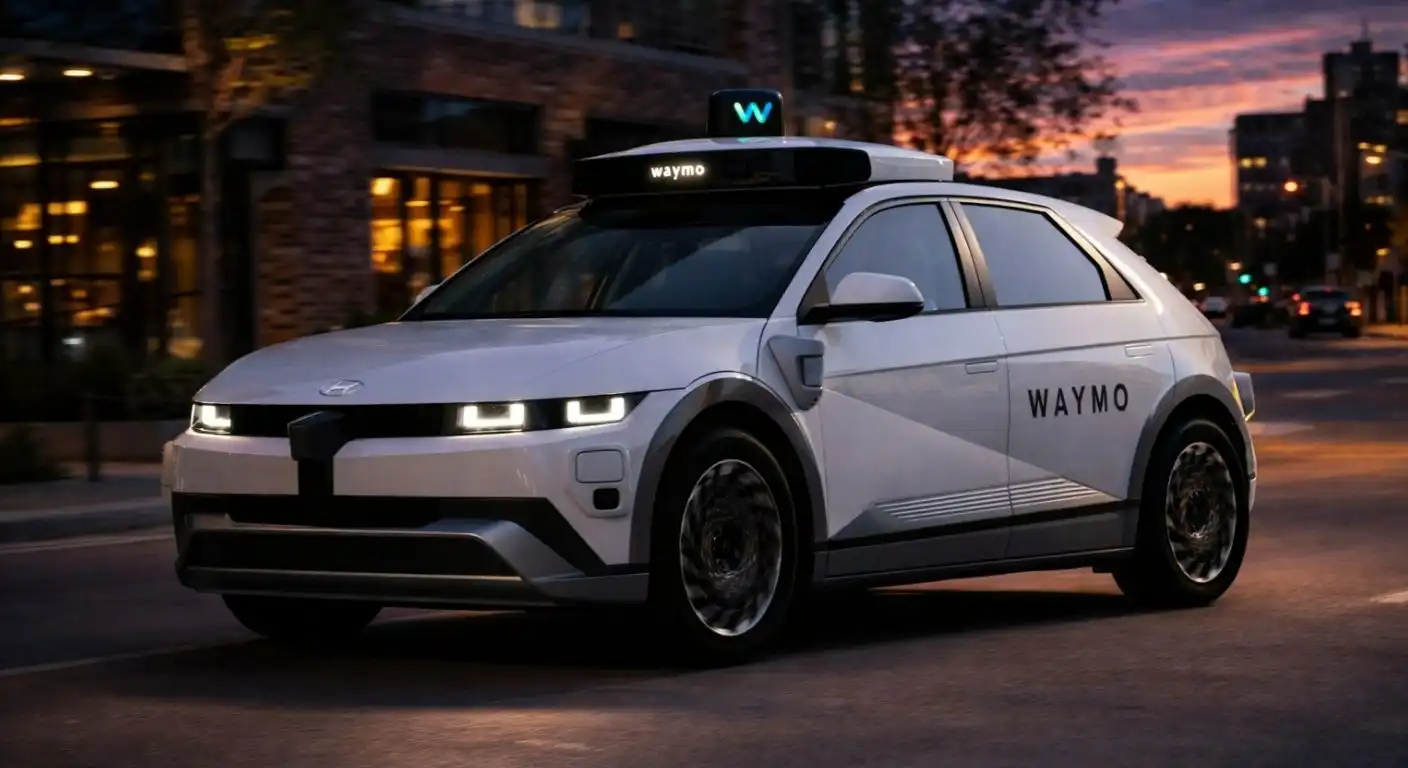
Alphabet’s driverless car subsidiary, Waymo, is embarking on its most significant public outreach initiative to date. Seventeen years after Google originally launched a secret research project to develop autonomous driving technology, its commercial spin-off is readying its first-ever national television advertising campaign. This unprecedented marketing blitz aims to humanize the technology, soothe widespread public skepticism about artificial intelligence, and defend its market leadership as a growing pack of well-funded corporate rivals prepares to enter the autonomous transport sector.
The new national campaign will officially debut on Friday during television coverage of the highly anticipated FIFA World Cup. Waymo has purchased high-profile commercial slots during the broadcast, beginning with a game featuring Team USA against Paraguay on Fox. By leveraging the massive, millions-strong World Cup audience, the driverless car company hopes to elevate its brand awareness beyond the localized urban markets where it currently operates and establish its service as a household name.
Unlike typical technology ads that focus heavily on sensors, lidars, and computing power, Waymo’s new commercials put the human experience front and center. The ads show a diverse range of everyday passengers—from young children to adults enjoying a late night out—comfortably boarding the vehicles, buckling their seatbelts, and relaxing inside the driverless cabin. It also shows brief, non-threatening sequences of the vehicles safely swerving to avoid obstacles, sending a reassuring message about its real-world safety capabilities. The central message of the ad relies on a poignant voiceover: “Now the Waymo driver is safer than a human one… Not because humans aren’t enough, but because they’re everything.”
Suzanne Philion, Chief Marketing Officer at Waymo, explained that the decision to prioritize empathy over technical specifications directly responds to current public anxiety about the rapid rise of generative AI and automation. Philion noted that many consumers harbor a healthy skepticism in this new era of AI. The company designed the campaign specifically to showcase the human stories behind the engineering, building an emotional connection that helps demystify the experience of riding in a driverless car.
This major national marketing push occurs as Waymo scales its physical business at a blistering pace. Earlier this year, in February, the company raised a substantial $16 billion in an external financing round that valued the Alphabet division at an impressive $126 billion. Co-Chief Executive Officer Tekedra Mawakana recently revealed that the service currently handles more than 500,000 paid passenger trips every week across 11 major metropolitan areas. Looking ahead, Waymo plans to expand commercial services to 20 cities and aims to surpass 1 million weekly paid trips by the end of this year.
To back up its empathetic marketing message, the company cites extensive, peer-reviewed research that tracks its real-world on-road performance. According to its internal data, Waymo’s driverless fleet has achieved an outstanding safety record, recording over 80% fewer injury-causing crashes than human drivers on the same urban streets. By presenting these concrete safety figures alongside their emotional television ads, the company hopes to convince wary regulators and local governments that driverless technology is fundamentally safer than human-driven alternatives.
Despite the strong safety statistics, the autonomous vehicle industry has faced intense pushback and growing regulatory scrutiny as robotaxis become a common sight in major cities. In January, the National Highway Traffic Safety Administration (NHTSA) opened an investigation into Waymo’s vehicles following several reports of minor traffic disruptions, including incidents of illegally passing stopped school buses. Furthermore, residents in San Francisco and Los Angeles have frequently protested the expansion of autonomous fleets, citing localized software glitches that have occasionally blocked emergency response vehicles.
The national advertising campaign also serves as a strategic defensive shield against a proliferating group of formidable competitors. Ridesharing giant Uber continues to partner with alternative developers, while Amazon’s boxy Zoox vehicles are actively seeking regulatory approval to begin commercial operations. Meanwhile, Tesla is aggressively preparing to launch its own dedicated robotaxi network. To defend its engineering advantage, Waymo recently snapped up Apple’s abandoned 200-acre “Project Titan” testing track in Arizona for $220 million to run extreme-weather and edge-case testing, while also launching a premier $29.99 monthly loyalty program to secure customer retention.
The launch of Waymo’s first national television campaign marks a permanent shift in how the autonomous driving industry engages with the public. No longer confined to quiet testing phases and specialized local rollouts, the battle for self-driving supremacy has officially moved to the national stage. By prioritizing human empathy and real-world safety data, the pioneer of autonomous transport wants to define how the public views the future of mobility. Whether this massive marketing gamble can successfully dissolve consumer skepticism will ultimately determine if driverless cars can transition from a high-tech curiosity into a mainstream, nationally accepted utility.