

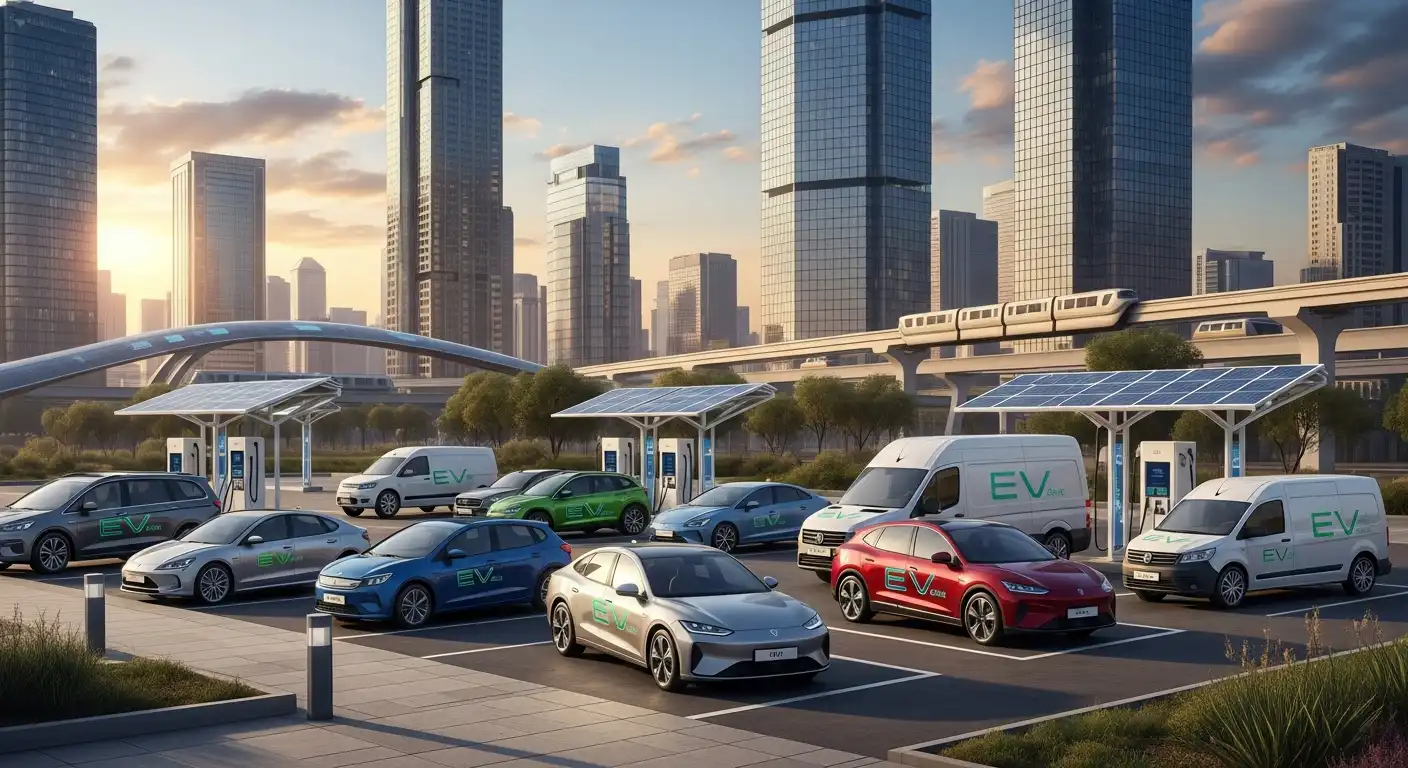
For over a century, the hum of the internal combustion engine defined how we moved. We built our cities, our roads, and our entire global economy around the burning of oil. It was a powerful, fast, but ultimately dirty era. Today, the soot-choked sky is forcing us to change. We are in the middle of a massive global shift where electricity is replacing gasoline as the primary fuel for transportation. This transition is not just about swapping one engine for another. Electric mobility represents a complete restructuring of our energy systems. To build a truly green future, we must ensure that the vehicles we drive plug into a grid powered by clean, renewable energy.
The Illusion of the Zero-Emission Tailpipe
We often see electric cars advertised as “zero-emission” vehicles. While it is true that an electric car has no tailpipe and produces no smoke as it drives down the street, this is only half the story. If you plug your electric vehicle into a power grid that relies on burning coal or gas, you are not actually eliminating pollution. You are simply moving the emissions from the city street to a power plant down the road. True electric mobility requires us to clean up the source of our power. The electric vehicle revolution succeeds only if we simultaneously shut down fossil-fuel plants and build massive arrays of solar panels and wind turbines.
Turning Every Vehicle Into a Moving Battery
A major challenge for renewable energy is storage. The wind does not always blow, and the sun does not shine at night. We need ways to store excess green energy so we can use it when the weather changes. Electric vehicles offer a brilliant, decentralized solution to this problem. Millions of parked electric cars can act as a giant, collective battery for the public grid. Through “vehicle-to-grid” technology, you can plug your car in at home and let the grid draw power from your battery during peak evening hours when energy demand is highest. The next morning, when the sun comes up, the solar grid charges your car back up. We turn our cars from energy drains into grid protectors.
The Scramble for Clean Minerals
We cannot build a clean mobility future without digging into the earth. Electric car batteries require massive amounts of lithium, cobalt, nickel, and copper. This material requirement has triggered a global rush to secure these vital minerals. Historically, the mining of these materials carried high environmental and social costs, often polluting local water supplies and exploiting workers. We must enforce strict ethical standards on our mineral supply chains. We cannot call our vehicles “clean” if the materials inside them caused devastation in rural communities during extraction. The transition must be clean from the mine to the highway.
Designing Batteries That Live Forever
The massive expansion of electric cars creates a ticking time bomb of electronic waste. We cannot allow millions of toxic car batteries to end up in landfills at the end of their lives. We must build a circular economy for battery materials. Today, we are seeing breakthroughs in battery recycling technology. Advanced recycling plants can now reclaim up to ninety-five percent of the cobalt, nickel, and lithium from old batteries and use them to build brand-new ones. We must design batteries from the start to be easily disassembled and recycled. A sustainable transportation system must never produce permanent waste.
Upgrading the Public Transit Grid
We often focus entirely on personal electric cars, but the real key to clean mobility is public transportation. Packing a city with millions of heavy electric cars still causes traffic jams, wears down roads, and consumes massive amounts of energy. We must prioritize the electrification of our buses, trains, and delivery fleets. An electric bus carrying fifty people is vastly more efficient than fifty individual electric cars, each carrying one person. By investing heavily in fast, clean, and reliable public transit, we reduce the total amount of energy we need to generate, making the transition to a clean grid much faster and easier.
The Battle of the Charging Stations
One of the biggest hurdles to electric vehicle adoption is “range anxiety.” Drivers worry they will run out of power in the middle of a trip with no place to plug in. We must build a dense, reliable network of public charging stations that is as common as the gas stations we have used for a century. This requires massive upgrades to our local electricity grids, especially in older cities where the wiring was not built to handle high-voltage charging. We must standardize charging plugs and payment systems so that any driver can plug into any station without needing five different apps and memberships.
Clean Mobility for Every Income
Electric vehicles have historically behaved like luxury goods. They were expensive, high-tech toys for wealthy homeowners with private garages to plug them into. If we build electric cars only for the rich, we fail to achieve the goal of a clean transition. We must make electric mobility affordable and accessible to everyone. This means developing cheaper battery technologies, subsidizing electric used cars, and installing public charging ports in apartment complexes and low-income neighborhoods. Clean air should never be a luxury that only wealthy neighborhoods can afford.
Conclusion
The electric mobility revolution is no longer a distant dream; it is the daily operational reality of our global transportation system. But we cannot succeed by simply trading a gas tank for a battery. We must clean up our power grids, enforce ethical mining practices, recycle materials, and prioritize public transit. This transition is our greatest opportunity to rebuild our relationship with our planet, creating cities with quiet, clean air and an economy powered by the infinite power of the sun and the wind. The highway of the future is open and powered by clean energy.






