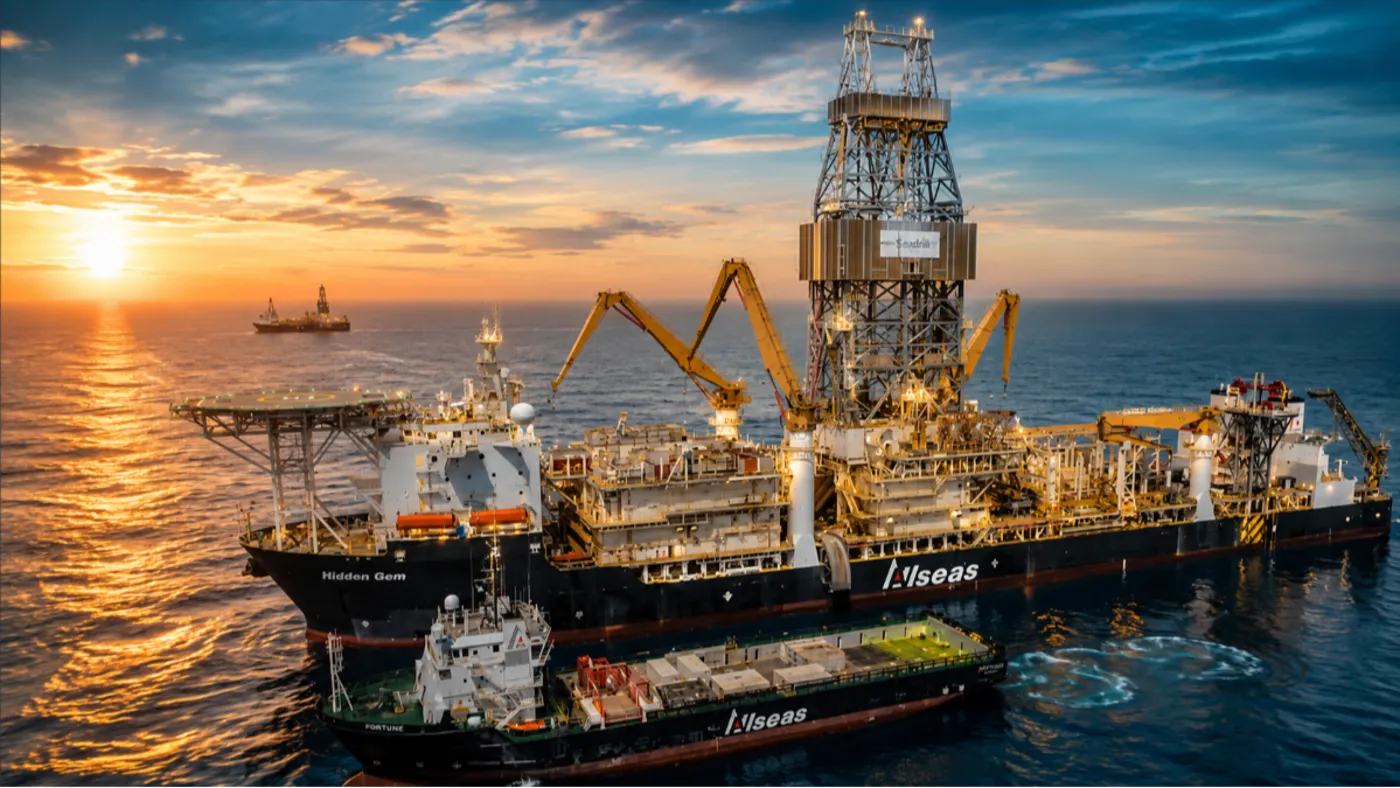
In an extraordinary engineering achievement that marks a turning point for global technology supply chains, Japanese marine researchers successfully extracted rare-earth-rich mud from the deep seabed of the Pacific Ocean. Operating at crushing depths between 5,700 and 6,000 meters (18,700 to 19,700 feet) near Minamitorishima Island—a remote Japanese coral atoll located roughly 1,900 kilometers (1,200 miles) southeast of Tokyo—a specialized research fleet continuously pumped mineral-dense mud to the ocean surface. The successful extraction test validates years of subsea robotics development, opening access to a massive seafloor deposit estimated to hold over 16 million tonnes of rare earth oxides.
The deposit sits entirely within Japan’s sovereign Exclusive Economic Zone, granting Tokyo full legal jurisdiction over its development. Detailed geological sampling reveals that the Minamitorishima seabed deposit contains unprecedented concentrations of heavy rare earth elements essential for modern high-technology manufacturing. Geological audits indicate the seabed mud contains enough dysprosium to satisfy total global demand for 730 years, yttrium for 780 years, europium for 620 years, and terbium for 420 years. These specific heavy metals are irreplaceable inputs for high-strength permanent magnets used in electric vehicle motors, offshore wind turbines, defense guidance systems, and advanced smartphones.
This successful extraction test represents a decisive geopolitical victory in Japan’s 15-year push to achieve critical mineral independence. Currently, China controls roughly 70% of global rare earth mining output and commands over 90% of global refining and permanent magnet production capacity. By proving that deep-sea mineral mud can be harvested continuously using specialized riser pipes, Japan has established a viable blueprint to break foreign market monopolies and insulate its advanced manufacturing sector from international trade embargoes.
TechGolly provides a detailed analysis of Japan’s deep-sea rare earth extraction, evaluating subsea pumping mechanics, heavy metal chemistry, geopolitical supply chain shifts, commercialization timelines, environmental mitigation protocols, and long-term impacts on global technology markets.
Unpacking the Engineering Mechanics of 6,000-Meter Subsea Pumping
Harvesting mineral mud from the abyssal ocean floor requires solving extreme physical engineering challenges. At depths of 6,000 meters below sea level, subsea machinery operates under crushing hydrostatic pressures exceeding 570 atmospheres—equivalent to 8,400 pounds per square inch—in near-freezing water temperatures hovering around 1 degree Celsius.
The extraction test utilized specialized ocean drilling infrastructure operated by the Japan Agency for Marine-Earth Science and Technology alongside academic partners from the University of Tokyo. Engineering teams deployed a high-strength steel riser pipe extending from the surface research vessel directly down to the seafloor. Specialized subsea crawler vehicles positioned on the seabed loosened the top layers of mineral mud, allowing high-pressure subsea slurry pumps to draw the dense mud up through the 6-kilometer vertical pipe column to surface collection tanks.
Once the slurry arrived on the surface vessel, processing equipment utilized high-speed hydrocyclones and physical filtration to separate the concentrated rare earth mud from excess seawater. The processed seawater was treated and returned to the deep ocean column through dedicated down-pipes to preserve upper-ocean water chemistry and prevent surface turbidity.
Compared to traditional open-pit terrestrial mining, deep-sea rare earth mud offers distinct metallurgical advantages. Terrestrial rare earth ores frequently contain radioactive elements such as thorium and uranium, requiring complex chemical separation, expensive hazardous waste storage, and extensive environmental remediation. In contrast, the Minamitorishima seabed mud contains virtually zero radioactive contaminants and responds efficiently to mild, low-cost acid leaching processes on land.
The Minamitorishima Resource Assessment and Heavy Metal Chemistry
The geological formation surrounding Minamitorishima Island covers an estimated 2,500 square kilometers of deep ocean floor. Over millions of years, deep oceanic currents deposited fine-grained clay minerals and fossilized fish debris that naturally absorbed heavy rare earth ions from seawater, building extraordinarily dense concentration layers up to 10 meters thick directly beneath the seabed surface.
Heavy rare earth elements (HREEs) command significant price premiums over light rare earth elements due to their extreme physical scarcity and specialized industrial utility. Elements like dysprosium and terbium are added to neodymium-iron-boron magnets to maintain their magnetic charge at high operating temperatures inside electric vehicle motors, industrial drive units, and defense electronics.
Evaluating the commercial value of the 16 million tonne Minamitorishima deposit highlights its transformative economic scale. At current market spot prices, the heavy rare earth content in the deposit carries an estimated valuation exceeding hundreds of billions of dollars. Because the deposit resides inside Japan’s sovereign Exclusive Economic Zone, Tokyo exercises complete legal authority over resource extraction, free from international maritime boundary disputes or foreign intervention.
Laboratory testing confirms that the seabed mud features high chemical reactivity. Over 85% of the rare earth elements contained in the mud can be extracted using standard hydrochloric or sulfuric acid leaching within a few hours, drastically reducing chemical processing expenses compared to hard-rock ore crushing and flotation techniques used in terrestrial mines.
Geopolitical Restructuring: Ending China’s Mineral Hegemony
Japan’s aggressive pursuit of deep-sea mining technology is rooted in a pivotal geopolitical crisis that occurred in 2010. Following a maritime territorial dispute near the Senkaku Islands, Beijing implemented an unannounced embargo on rare earth exports to Japan. The sudden supply cutoff paralyzed Japanese electronics assembly lines, sending shockwaves through Tokyo’s industrial leadership and exposing the extreme danger of relying on a single foreign supplier for critical industrial inputs.
In response, the Japanese government launched a multi-billion-dollar national security initiative to build supply chain resilience. Tokyo invested in rare earth recycling technologies, reduced magnet material usage in motor designs, funded alternative mining projects in Australia, and initiated comprehensive seabed mapping across its territorial waters. The successful extraction of Minamitorishima represents the ultimate realization of that 15-year national security policy.
Currently, global supply chains remain heavily dependent on Chinese mineral processing. While Western nations like the United States and Australia have expanded domestic rare earth mining, the vast majority of mined concentrates must still be shipped to specialized refining facilities in China for chemical separation and magnet manufacturing.
Japan’s offshore breakthrough offers Western allies a proven model for building alternative critical mineral supply networks. By combining Japanese deep-sea extraction technology with refining facilities located in allied nations, G7 economies can construct a fully diversified rare earth supply chain that operates independently of foreign trade restrictions and export controls.
Powering the Electric Mobility and Defense Technology Supercycle
The timing of Japan’s deep-sea extraction milestone aligns directly with accelerating global demand for clean energy infrastructure and advanced defense hardware. The global industrial transition away from fossil fuels requires unprecedented volumes of critical metals to manufacture electric vehicles, offshore wind turbines, and energy-efficient industrial machinery.
A single modern electric vehicle requires approximately 1 to 2 kilograms of high-performance rare earth magnets within its drive motor, while a large 12-megawatt offshore wind turbine requires up to 5 tonnes of permanent magnets containing hundreds of kilograms of dysprosium and terbium. Without steady supplies of heavy rare earths, global automakers and utility developers face severe production bottlenecks.
Beyond commercial green technology, heavy rare earths are vital for national defense systems. Advanced military hardware—including fighter jet flight control actuators, missile guidance radars, satellite communications equipment, precision-guided munitions, and nuclear submarine propulsion systems—relies on high-temperature permanent magnets and specialized rare-earth optical lasers.
Securing a stable, multi-century domestic supply of heavy rare earths provides Japan and its international defense partners with long-term technological stability, ensuring that defense equipment production remains unthreatened by foreign trade disputes or international embargoes.
Commercialization Roadmap: From Trial Pumping to Mass Production
With the technical proof-of-concept successfully demonstrated, Japan’s Ministry of Economy, Trade and Industry alongside private corporate consortia are establishing a structured commercialization roadmap to scale production over the coming decade.
The commercial development strategy unfolds across three distinct phases:
First, engineering teams will conduct expanded continuous extraction trials between 2027 and 2028. These trials will deploy larger-diameter riser pipes and automated subsea scraping vehicles designed to harvest 350 to 3,500 tonnes of rare earth mud per day, optimizing vessel stability and pumping efficiency in open ocean conditions.
Second, private industrial partners—including major Japanese trading houses, shipping firms, and mining engineering conglomerates—will construct specialized commercial mining ships and subsea mining robots. These purpose-built vessels will feature automated mud concentration equipment capable of processing thousands of tonnes of material daily before transferring concentrated cargo to transport barges.
Third, commercial-scale operations are targeted to begin by the early 2030s. The goal is to extract approximately 10,000 to 15,000 tonnes of refined rare earth oxides annually, which would satisfy 100% of Japan’s domestic industrial demand for heavy rare earths and allow Tokyo to become a net exporter of critical minerals to global markets.
Parallel to offshore operations, Japan is constructing dedicated onshore chemical refining infrastructure. A state-of-the-art separation facility is being planned in Anan, Tokushima Prefecture, designed to receive concentrated seabed mud, execute acid leaching, and separate individual rare earth elements into high-purity industrial powders.
Environmental Impact, Benthic Plumes, and Sovereign Jurisdiction
While Japan’s deep-sea extraction achievement has earned praise from technology and defense sectors, environmental scientists and marine conservation organizations are closely examining the ecological risks associated with seabed mining.
The primary environmental concern involves subsea sediment plumes created when heavy mining equipment disturbs the abyssal ocean floor. Fine clay particles lifted into the water column can travel kilometers on deep ocean currents before settling, potentially smothering benthic organisms, clogging the feeding apparatus of deep-sea invertebrates, and disturbing midwater pelagic ecosystems.
To mitigate these environmental risks, Japanese research teams are engineering closed-loop extraction systems. The mining heads operate inside enclosed collection hoods that capture loosened mud directly, preventing sediment from scattering into surrounding waters. Furthermore, filtered seawater and processed mud are returned to the seabed through sealed downpipes terminating just meters above the seafloor, minimizing water column disruption.
A significant regulatory advantage for Japan is that the Minamitorishima deposit sits entirely within its sovereign 200-nautical-mile Exclusive Economic Zone. Unlike mining operations proposed in international waters, which require complex permits and face political gridlock at the International Seabed Authority (ISA), Japan exercises full legal authority to enact its own environmental standards and issue commercial mining licenses under national maritime law.
Japan’s Ministry of the Environment is conducting multi-year environmental impact assessments, deploying autonomous underwater vehicles equipped with acoustic sensors and water clarity meters to monitor deep-sea benthic life around Minamitorishima. Establishing rigorous, science-based environmental monitoring protocols will allow Japan to set the global gold standard for responsible deep-sea mineral harvesting.
Strategic Outlook for Global Commodity Markets
Japan’s successful deep-sea extraction test marks the opening chapter of a new era in global resource acquisition, signaling a historic shift from terrestrial open-pit mining to marine mineral harvesting.
As land-based mineral ore grades decline globally and environmental opposition to new terrestrial open-pit mines intensifies across Western nations, the vast, untouched mineral wealth of the ocean floor is becoming an irresistible frontier for resource-starved industrial economies. Nations with extensive maritime territories—including Norway, the Cook Islands, and the United States—are closely observing Japan’s technical execution to evaluate their own offshore mineral potential.
The commercialization of the Minamitorishima deposit will also exert long-term structural pressure on global rare earth spot pricing. By introducing a massive, stable supply of heavy rare earths into global commerce, Japan will help cap volatile commodity price swings, lowering raw material costs for electric vehicle manufacturers and renewable energy developers worldwide.
Furthermore, the emergence of deep-sea mining will accelerate a broader technological race between seabed extraction, advanced recycling techniques, and synthetic material substitutes. Automakers and electronics manufacturers will benefit from expanded material choices, creating a more resilient, highly diversified global supply chain.
Key Takeaways for Tech Executives and Resource Investors
The realization of deep-sea rare earth extraction delivers critical strategic insights for corporate decision-makers, clean technology executives, and international commodity investors.
First, the critical mineral supply crisis is solvable through technological innovation. Companies and nations that invest heavily in advanced engineering solutions can successfully unlock non-traditional mineral deposits, creating new supply channels that bypass geographic bottlenecks.
Second, supply chain diversification must be prioritized by corporate purchasing managers. Automotive and electronics manufacturers can no longer rely on single-region sourcing models for essential components. Partnering with emerging, non-traditional mineral suppliers will be vital for maintaining continuous manufacturing operations during future trade disruptions.
Third, environmental, social, and governance (ESG) compliance will dictate commercial success in deep-sea mining. Developers that engineer low-impact, closed-loop extraction technologies and maintain transparent environmental monitoring will win public acceptance and secure long-term commercial off-take agreements from global brands.
Finally, the 21st-century clean energy transition will be defined by control over advanced physical materials. Japan’s historic deep-sea mining milestone demonstrates that securing the physical building blocks of future technology is the ultimate foundation for national economic sovereignty and global industrial leadership.