Virginia’s data center boom is redrawing the physical and financial map of the United States energy sector. In mid-June, as the state prepares to officially rejoin the Regional Greenhouse Gas Initiative (RGGI) on July 1, the massive electrical demand of the artificial intelligence revolution is sending shockwaves through the Northeast US carbon market. This comprehensive analysis explores how the world’s largest data center hub is reshaping regional carbon pricing, detailing the mechanics of the RGGI cap-and-trade program, the political and legal battles over Virginia’s participation, and the growing conflict between big tech’s clean energy pledges and their actual, real-world power consumption.
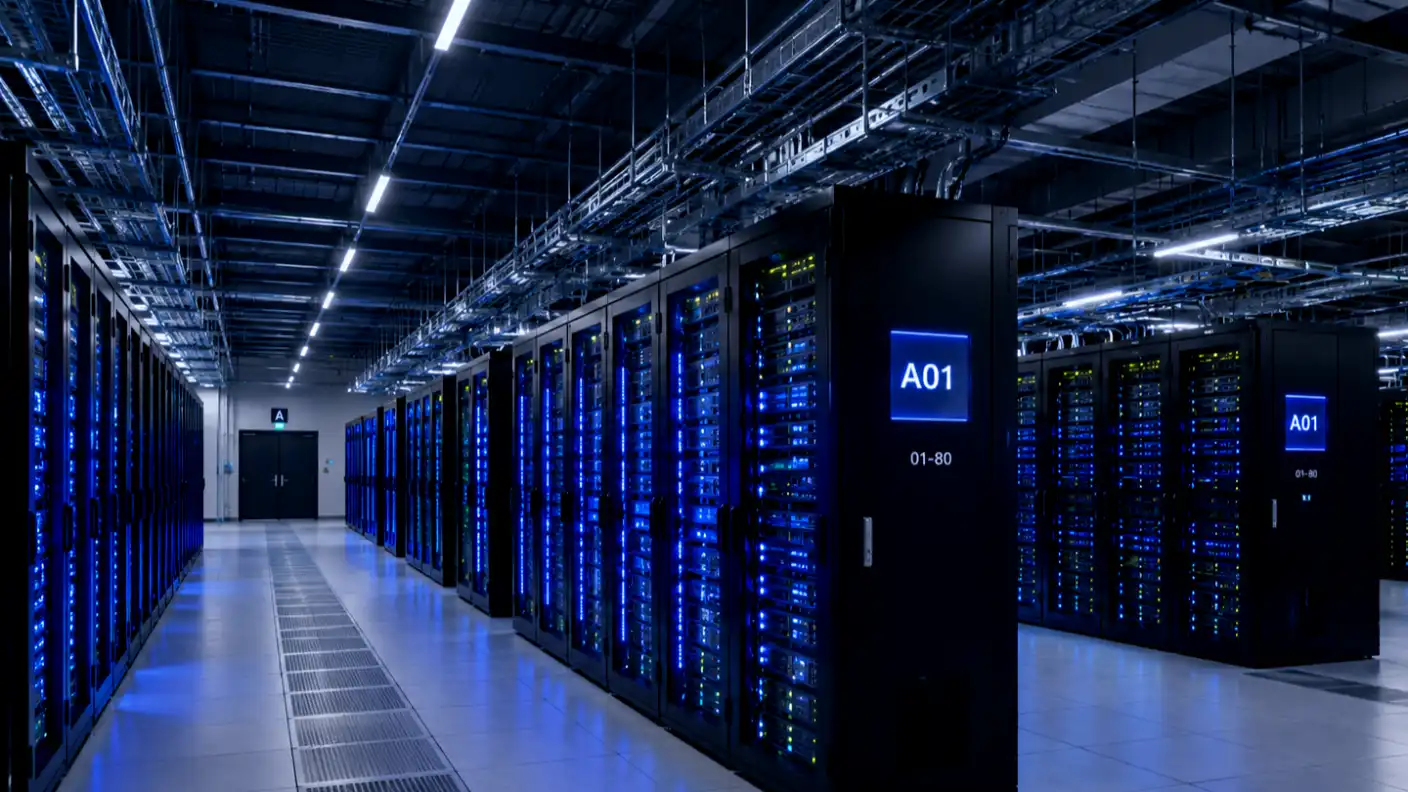
The rapid rise of advanced artificial intelligence models has completely changed the baseline operations of the global digital economy. Northern Virginia already sits at the absolute center of this world, hosting more than 35% of all hyperscale data centers on Earth across counties like Loudoun and Prince William. However, as tech giants like Microsoft, Meta, and Google scramble to build more physical facilities to run their complex AI models, they are consuming electricity at a rate that has strained regional utilities and forced the state to implement a series of aggressive new regulatory guardrails to protect its citizens and the environment.
The Intersection of AI Infrastructure and Carbon Markets
To understand why the expansion of Virginia’s data center market is having such a massive, disruptive impact on regional carbon pricing, one must look at how the Regional Greenhouse Gas Initiative operates. Established as a cooperative, market-based effort by multiple Eastern states, the RGGI sets a strict, annually declining cap on carbon dioxide emissions from power plants across the region.
Utilities must purchase one “allowance” for every ton of carbon dioxide they emit, with these allowances distributed through periodic, competitive auctions.
By rejoining the RGGI on July 1, Virginia is introducing the world’s most electricity-hungry industry into a highly carbon-constrained system that simply does not have enough clean energy to accommodate its growth.
Dominion Energy and other regional utilities are facing an unprecedented, exponential surge in electricity demand. To keep these data centers running twenty-four hours a day, utilities are being forced to keep their older, fossil-fueled power plants online and even build new natural gas-fired peaker plants, driving up carbon emissions and forcing the market to brace for a severe supply-demand mismatch in carbon allowances.
Key Components of the RGGI Carbon Market Integration
The integration of the world’s largest data center hub into the Northeast carbon market relies on several critical technical, administrative, and financial components:
- The Regional Greenhouse Gas Initiative (RGGI): A cooperative, market-based cap-and-trade program that caps carbon dioxide emissions from power plants in participating Eastern states.
- Carbon Allowance Auctions: Periodic auctions where utilities must purchase credits to cover their emissions, with Virginia’s second-half-2026 budget set at 11.48 million allowances.
- Cost Containment Reserve (CCR): A safety-valve pool of additional allowances (such as 7.85 million credits) released into the market when prices clear past a predetermined threshold.
- Behind-the-Meter Fossil Fuel Generators: High-emission diesel and natural gas backup generators built on-site by developers to bypass grid congestion.
- Large-Load Regulatory Tariffs: New financial requirements, such as forcing data centers to post up to $1.5 million per megawatt in security collateral, to protect everyday rate-payers from grid expansion costs.
Virginia’s Resumed Participation in the RGGI Program
The return of Virginia to the regional carbon market is a major victory for environmental advocates, but it represents a highly challenging transition for the state’s utility planners. The administrative process to re-enter the compact was initiated earlier this year after Virginia Governor Abigail Spanberger signed a state budget bill that directed the Department of Environmental Quality (DEQ) to rejoin the program immediately.
This legislative directive successfully reversed former Governor Glenn Youngkin’s controversial and legally contested decision to withdraw the state from the compact at the end of 2023.
The DEQ has finalized the regulatory framework for the state’s return, confirming that Virginia will officially rejoin the Northeast power plant CO2 cap-and-trade market on July 1. The state is scheduled to participate in the major upcoming carbon allowance auctions on September 9 and December 2, bringing an allowance budget of 11.48 million credits for the second half of the year.
The mere expectation of Virginia’s return has already sent carbon allowance prices soaring across the Northeast. During the program’s first carbon auction of the year, bidding cleared at such high prices that it completely drained the year’s Cost Containment Reserve (CCR), triggering the automatic release of an additional 7.85 million allowances into the market.
Trading analysts at Argus Media warn that as Virginia’s utility companies begin purchasing millions of allowances to cover the emissions generated by data centers, prices will likely face continuous upward pressure, driving up electricity costs for consumers across all participating states.
The “Power Expectation Gap” and the Fossil Fuel Trap
The rapid expansion of the data center industry has exposed a massive “power expectation gap” between big tech’s public commitments to environmental sustainability and the physical reality of their electricity consumption.
Technology giants like Microsoft, Meta, and Google have spent years promoting their clean energy credentials, signing massive power purchase agreements to claim that their offices and servers run entirely on renewable energy.
However, these virtual power purchase agreements do not match the physical reality of the electricity grid. Solar panels and wind turbines only produce electricity when the weather cooperates, but AI data centers require a continuous, uninterrupted flow of massive power around the clock.
To maintain this 100% reliability, regional utilities must rely on stable, dispatchable “baseload” power plants. Because the construction of new nuclear plants and large-scale battery storage installations remains slow, utilities are turning back to fossil fuels, building new natural gas-fired peaker plants to manage peak demand.
This reliance on natural gas directly undercuts the emissions-reduction goals established under the landmark Virginia Clean Economy Act. During its initial three years of participation in the RGGI, Virginia saw its power-sector carbon emissions drop by a significant 22%.
But as the data center load growth accelerates, the sheer scale of the industry’s energy demand threatens to wipe out those environmental gains. Environmental advocates argue that letting the data center buildout proceed without an emissions backstop would mean absorbing that growth entirely through fossil-fueled generation, which is a disastrous outcome for both the global climate and local air quality.
Raising the Stakes: The $1.5 Million-a-Megawatt Collateral Rule
To protect everyday residential utility customers from bearing the massive financial costs associated with this tech-driven grid expansion, Virginia’s financial regulators are implementing some of the strictest utility tariffs in the country.
As data center developers demand gigawatts of new grid capacity, utility companies must spend billions of dollars to build new high-voltage transmission lines, expand substations, and construct new power plants to connect these facilities.
Under traditional utility rules, the cost of these massive infrastructure upgrades is typically distributed across the entire ratepayer base, meaning that ordinary working families and small businesses end up paying higher monthly utility bills to subsidize the grid connections of some of the wealthiest technology companies on Earth.
To prevent this unfair cross-subsidization and mitigate the risk of creating “stranded assets”—infrastructure that becomes useless if a tech giant decides to abandon a facility—the State Corporation Commission (SCC) has implemented a strict collateral rule.
Under the new tariff guidelines, data center developers must post a massive, upfront security deposit of $1.5 million per megawatt of contracted large load before the utility will connect their facilities to the grid.
The financial scale of this collateral rule is truly extraordinary. If a developer wants to build a typical 100-megawatt data center campus in Virginia, they must post a staggering $150 million in upfront cash collateral.
Applying this $1.5 million-per-megawatt risk price to larger regional pipelines highlights the massive exposure facing utilities. For instance, in neighboring Pennsylvania, PPL Electric recently disclosed an interconnection pipeline of 20 gigawatts (20,000 megawatts) of contracted large loads.
If a Virginia-style collateral rule were applied to Pennsylvania’s pipeline, it would require developers to post an astronomical $30 billion in collateral to secure their connections, proving that the financial risk of overbuilding the grid is finally being priced into the system.
Public Backlash: The Shifting Sentiment of Virginia Voters
This aggressive regulatory pushback is being supported by a dramatic, statewide shift in public attitude toward the data center industry. For over a decade, local governments in Northern Virginia welcomed data center developers with open arms, offering generous tax incentives and fast-track zoning approvals to attract investment and build a lucrative local tax base.
In counties like Loudoun, data center property taxes generate almost half of all local government revenues, allowing the county to build world-class schools and public services while reducing the tax burden on residential homeowners.
But as the physical footprint of these massive warehouse campuses continues to expand, local communities are growing increasingly hostile. A recent poll of 1,000 registered Virginia voters conducted by the Washington Post and local researchers revealed a massive, rapid shift in public sentiment:
- Plummeting Comfort Levels: The survey found that public comfort with new data center construction in local communities has plummeted to just 35% in 2026, down from a massive 69% in 2023.
- Bipartisan Resistance: This rising opposition crosses all party lines and geographical regions, as residents grow tired of the constant construction noise, the clear-cutting of local forests, and the construction of massive, high-voltage transmission lines through historical battlefields and quiet suburbs.
- Focus on Local Accountability: Communities are demanding that lawmakers hold the tech industry accountable, forcing data centers to power their facilities with clean energy on their own dime and prohibiting them from building dirty diesel backup generators on-site.
This public resistance is a major reason why rejoining the RGGI carries such significant political importance. Under state law, 50% of the proceeds generated from the carbon allowance auctions are directed to the Housing Innovations in Energy Efficiency Fund to help low-income families slash their energy bills, while 45% go to the Community Flood Preparedness Fund to help coastal communities mitigate the rising costs of flooding.
These programs will reinvest hundreds of millions of dollars directly back into the exact communities that are most affected by the industrial growth, helping to balance the environmental and social costs of the digital economy.
Conclusion
Virginia’s historic data center boom has officially collided with regional climate policies, setting the stage for a major, multi-billion-dollar battle over the future of the American energy grid. By rejoining the Regional Greenhouse Gas Initiative on July 1, the state is introducing the world’s most electricity-hungry industry into a carbon-constrained market, driving carbon allowance prices to record heights and putting intense pressure on regional utilities. While tech giants continue to spend billions of dollars to expand their artificial intelligence capabilities, the strict emissions caps of the RGGI and the state’s massive $1.5 million-per-megawatt collateral rules prove that the public is demanding absolute corporate accountability. Until these massive technology companies are forced to procure their own clean energy, protect local communities from harmful on-site air pollution, and pay their fair share of infrastructure costs, the regional carbon market will remain the primary battleground for the future of the digital economy, proving that even the most advanced virtual technologies must ultimately respect the physical limits of our planet.