Key Points:
- ASML expects the first computer chips made with its new High-NA machines to arrive within a few months.
- Chief Executive Christophe Fouquet shared the production timeline at an imec research conference in Belgium on Tuesday.
- The advanced manufacturing tool promises to lower production costs for complex logic and memory chips.
- Top customer TSMC recently complained about the massive $400 million price tag of the new machines.
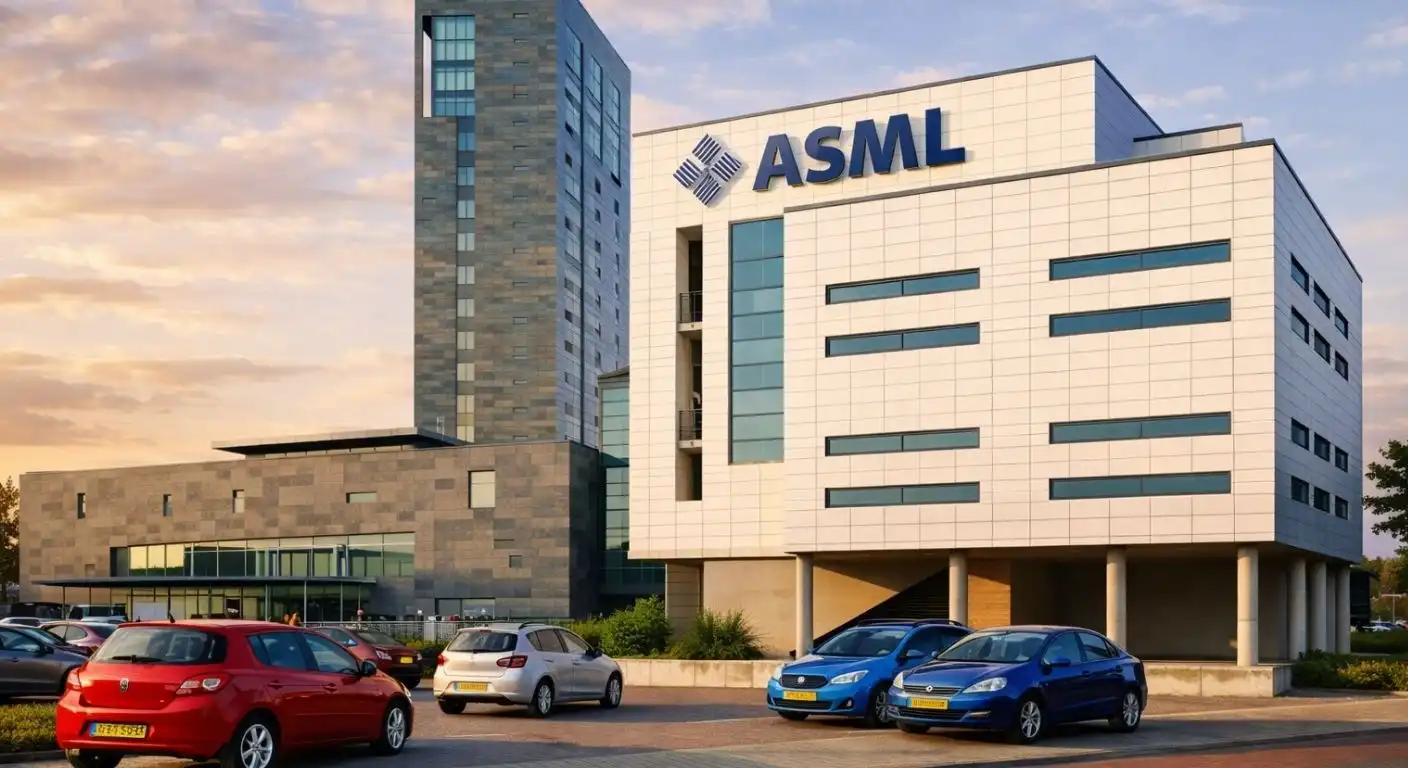
ASML Chief Executive Christophe Fouquet delivered exciting news to the technology world on Tuesday. He announced that the very first computer chips built using the company’s new High-NA machines will arrive within the next few months. Fouquet shared this timeline while speaking at a technology conference in Belgium hosted by the semiconductor research firm imec. This announcement sets a clear countdown for the next massive leap in global computing power.
These High-NA machines represent the absolute cutting edge of semiconductor manufacturing. ASML builds these massive tools to help chipmakers print microscopic circuits onto silicon wafers. However, this bleeding-edge technology carries an enormous price tag. Each new High-NA machine costs roughly $400 million. Because of this massive upfront cost, many industry watchers wondered when exactly these machines would start producing real products for the consumer market.
Despite the high purchase price, Fouquet insists the machines will actually save companies money in the long run. He explained that the new tool will reduce the overall costs of a process called patterning. Patterning involves drawing the tiny, complex circuitry required for the most advanced computer chips. By doing this job more efficiently in fewer steps, the High-NA system reduces waste and speeds up production for both logic and memory applications.
Fouquet made his remarks at a very interesting time for the Dutch equipment manufacturer. Just a few weeks ago, executives from the top customer, Taiwan Semiconductor Manufacturing Company, voiced serious concerns about the new technology. The Taiwanese chipmaking giant stated flatly that the $400 million High-NA tools were simply too expensive. They indicated they might wait a few years before fully committing to the new platform.
Taiwan Semiconductor Manufacturing Company currently dominates the global market for manufacturing advanced chips, so their hesitation matters. Instead of rushing to buy the newest ASML gear, the company plans to squeeze more life out of its current machines. On the other hand, American rival Intel jumped at the chance to buy the High-NA systems. Intel wants to use the new technology to leapfrog competitors and reclaim its title as the world’s top chipmaker.
The venue for the announcement also holds special importance. The Belgian research firm imec works closely with ASML to test and refine these massive machines. Imec recently installed one of the first High-NA systems in its own research laboratory. By partnering with research hubs, ASML allows chipmakers to test their new designs on the equipment before they spend $400 million to buy a machine for their own factories.
The technology behind these machines pushes the limits of modern physics. The letters NA stand for numerical aperture. The new machines use a larger optical lens to focus extreme ultraviolet light into tighter spots. This lets manufacturers draw lines that measure just a few nanometers wide. To put that into perspective, these lines run thousands of times thinner than a single human hair. As technology companies try to pack more power into smaller spaces, this extreme precision becomes necessary.
The explosive growth of artificial intelligence drives the urgent need for these new machines. Artificial intelligence software requires massive amounts of processing power and memory to function properly. Tech giants like Google, Microsoft, and Amazon currently buy every advanced chip they can find to build massive data centers. If ASML can help factories print chips faster and more efficiently, the entire artificial intelligence industry will benefit.
Energy efficiency stands out as a major selling point for the new chips. Data centers consume unbelievable amounts of electricity right now. Some industry leaders warn that the power grid cannot handle the growing demand from artificial intelligence servers. Chips made with High-NA technology will process data much faster while using significantly less electricity. This breakthrough will help tech companies grow without overloading local power grids.
Over the next few months, the semiconductor industry will watch ASML closely. Fouquet sounded highly confident that chipmakers will successfully expose their first logic and memory products on the High-NA system very soon. If these early products perform well and prove the cost-saving claims, hesitant customers might change their minds and open their wallets.
ASML holds a virtual monopoly on extreme ultraviolet lithography machines. No other company on the planet can build the tools required to make the most advanced computer chips. Because of this unique position, the success of the High-NA rollout will shape the future of global technology. Consumers will eventually see the benefits when these new chips power faster smartphones, smarter cars, and more capable computers in the years ahead.