Key Points:
- Qatar reported that the ongoing closure of the Strait of Hormuz created severe complications for global supply chains.
- Officials confirmed that 2 LNG tankers crossed the waterway recently, but normal maritime traffic remains completely halted.
- The foreign ministry reminded neighboring nations that international law strictly forbids blocking access through natural maritime straits.
- Regional leaders continue active diplomatic talks with the parties to the conflict to prevent further escalation and reopen the shipping route.
Qatar issued a stern warning today regarding the ongoing closure of the Strait of Hormuz. The foreign ministry announced that blocking this vital waterway has severely complicated regional and global supply chains. Despite the growing crisis, the Qatari government confirmed it has not yet put any special arrangements into place for its energy product exports. This waiting game keeps international energy markets on high alert as cargo ships pile up outside the geographic chokepoint.
A foreign ministry spokesperson delivered a very clear message regarding maritime rules. The official stated that international law prohibits any state bordering a natural strait from obstructing the free passage of ships. This legal reminder targets the nations currently involved in the regional dispute that closed the waterway. Freedom of navigation is a core principle of global trade, and blocking a natural strait violates established maritime treaties.
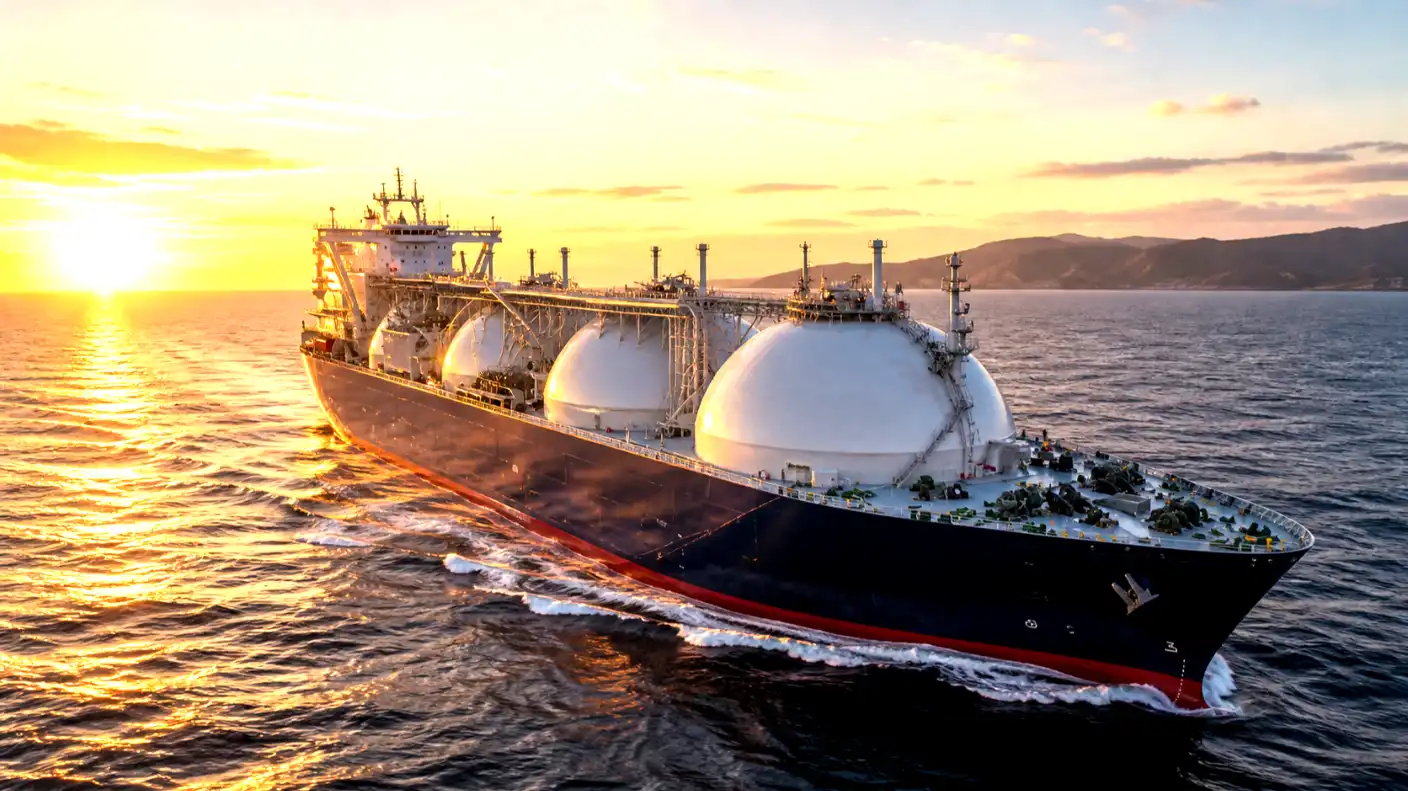
The spokesperson also addressed recent rumors about maritime movement in the area. Reports indicated that 2 liquefied natural gas tankers successfully crossed the Strait of Hormuz earlier today. However, the Qatari official quickly clarified the situation to prevent false hope. The official explained that these 2 ships moving through the channel absolutely do not mean that normal commercial traffic has resumed. The waterway remains incredibly dangerous, and standard shipping operations remain suspended until further notice.
The Strait of Hormuz serves as the most important energy highway on the planet. During normal operations, roughly 21 million barrels of oil pass through this narrow strip of water every single day. This massive volume accounts for about 20% of total global oil consumption. Furthermore, the Strait handles nearly 25% of the global liquefied natural gas trade. When a conflict shuts down this route, it instantly chokes off the energy supply for nations around the world.
Closing this narrow passage creates immediate financial damage. Shipping companies must completely reroute their vessels to avoid the danger zone. Taking longer routes adds weeks to delivery times and burns millions of dollars in extra fuel. Insurance companies also hike their premiums for any ship sailing near the region. Experts estimate that these sudden supply chain delays and extra shipping fees can easily add over $1 billion in daily costs to the global economy.
Qatar holds a unique position in this crisis. As one of the world’s top producers of liquefied natural gas, the nation relies heavily on the Strait of Hormuz to deliver its cargo to eager buyers in Asia and Europe. A prolonged closure threatens to trap valuable Qatari gas at local ports. Even though the government is holding off on making special export arrangements for now, energy buyers worry about potential shortages in the coming months.
To prevent the situation from spinning out of control, diplomats work around the clock. The Qatari spokesperson confirmed that active communication continues between regional leaders and all parties involved in the conflict. Qatar frequently acts as a mediator during Middle Eastern disputes. The government uses its diplomatic ties to urge everyone to step back from the edge and find a peaceful solution to the current military standoff.
The immediate goal for these diplomats is to prevent any return to military escalation. A wider regional conflict would cause devastating human suffering and completely wreck the global economy. Energy markets already show signs of stress, with crude oil and natural gas prices reacting to every news update from the region. If the closure drags on for several weeks, consumers worldwide will eventually see higher prices at the gas pump and on their monthly utility bills.
For now, the global shipping industry watches the Strait of Hormuz with deep concern. Captains keep their vessels safely anchored away from the conflict zone while they wait for official clearance. The successful passage of just 2 tankers proves that ships can physically navigate the waters, but companies need absolute safety guarantees before they risk their crews and expensive cargo. Until diplomats secure a firm agreement, the world’s most critical maritime route remains effectively closed for business.