Key Points:
- President Donald Trump announced that China will buy 200 Boeing aircraft during his recent diplomatic visit.
- Boeing confirmed the initial commitment but did not share specific details about the plane models or delivery timeline.
- The American aircraft maker sold only 39 planes to China this decade, after losing market share to its European rival Airbus.
- China will also purchase up to 450 General Electric jet engines to support its commercial airline fleets.
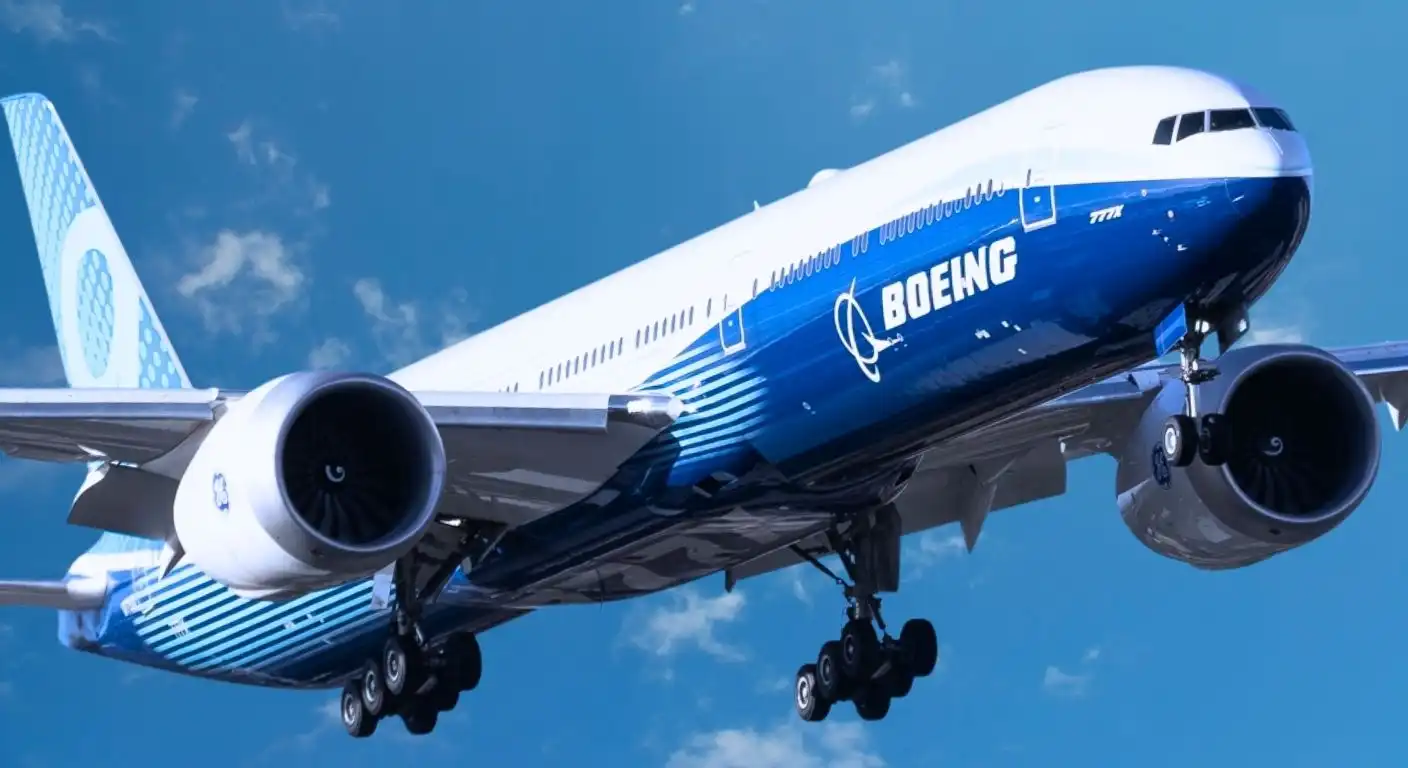
Boeing finally secured a major aircraft order from China this week. The deal happened while United States President Donald Trump visited the country to meet with Chinese President Xi Jinping. Instead of letting the aircraft manufacturer announce the agreement through a normal press release, Trump broke the news himself. During a television interview, he told reporters that China agreed to buy 200 big airplanes.
Boeing released a statement on Friday evening to confirm the president’s remarks. Company officials called the agreement an initial commitment for 200 aircraft. They said the trip achieved their main goal of reopening the massive Chinese market to American-made jets. Boeing leaders also expect China to place more orders after this first batch, though they completely avoided sharing any specific details about the purchase.
The lack of hard facts left investors feeling nervous. Many industry experts actually expected China to buy up to 500 of the popular 737 Max jets. The confusion only grew worse when Trump spoke to reporters on his flight back to the United States. Aboard Air Force One, he claimed Beijing might drastically increase the order to 750 airplanes. He said Chinese leaders would buy the extra planes if Boeing does a good job building the first 200 jets. However, Chinese officials refused to provide any extra context to support these massive numbers. As a result of the uncertainty, Boeing shares fell for a second straight day, closing 3.8% lower on Friday.
Trump often acts as the chief commercial salesman for American businesses. He regularly uses his diplomatic trips to secure big purchases for companies like Boeing. He used a similar tactic during a visit to Qatar last year. During that trip, Boeing secured its largest commercial aircraft deal ever by total value. Even then, Trump caused a brief moment of confusion when he announced a dollar amount that far exceeded the agreement’s realistic size.
Competitors definitely notice how hard the president works to sell American planes. Airbus, the giant European aircraft manufacturer, recently complained about this dynamic. Airbus executives say they face a major disadvantage during international sales campaigns because European politicians do not give them the same aggressive backing.
Boeing desperately needs this political help to survive in China. The country is the second-largest aviation market in the world, but Boeing has lost significant ground there over the past few years. Before this week’s announcement, China had only ordered 39 Boeing planes this entire decade. A major commitment from Beijing points the company in the right direction, even if the exact details remain completely unknown right now.
Chinese airlines urgently need modern aircraft. Global travel continues to increase, and many local carriers still fly old, outdated equipment. Rising fuel prices force airlines to seek out highly efficient planes like the 737 Max. This specific model burns much less fuel than older versions of Boeing jets. While China wants to build its own civil aviation industry, its homegrown Comac 919 airplane remains in the early stages of development. For now, the country must rely heavily on aircraft imports from the United States and Europe.
China actually has not announced a massive Boeing order since Trump last visited the nation in 2017. The Chinese government usually buys jets from Boeing and Airbus in giant bulk orders. The government then distributes the airplanes among the various state-owned airline companies.
In January 2020, China promised to purchase $77 billion worth of American goods. That massive pledge included commercial aircraft. However, the Chinese government never followed through with the promise because the global pandemic destroyed the air travel industry. Soon after, rising trade tensions and the global grounding of the 737 Max following two fatal crashes hurt Boeing terribly. The company eventually lost its top market position in China to Airbus.
Before the meeting, financial news outlets reported that Boeing hoped to secure an order for 500 single-aisle jets. The company also pushed for a separate deal involving widebody models like the 787 Dreamliner or the massive 777. Even though the official numbers fell short of those goals, Boeing continues to build ties in the region. Lu Mei, the general manager of China Aviation Supplies Holding, met with Boeing Commercial Airplanes President Stephanie Pope on Thursday. During the meeting, Lu asked Boeing to increase its overall investments in China.
The aerospace deals extended beyond just airplanes. Trump announced on Friday that China will also buy between 400 and 450 jet engines from General Electric. General Electric is a crucial supplier to Boeing. The company operates a joint venture called CFM International, which is the sole engine provider for the 737 Max. The venture also builds most of the engines for the 787 Dreamliner. Additionally, General Electric makes the engines for the upcoming 777X airplane model. Both Boeing Chief Executive Officer Kelly Ortberg and GE Aerospace CEO Larry Culp traveled with Trump for the two-day visit with President Xi Jinping to help finalize these agreements.