Key Points:
- Prime Minister Mark Carney and Alberta Premier Danielle Smith signed a major pact to cut emissions and grow the economy.
- The two governments agreed to set the headline carbon price at $140 per tonne by the year 2040.
- Alberta plans to completely double its electricity capacity by 2050 using nuclear, solar, wind, and geothermal power.
- A proposed new bitumen pipeline to Asia relies heavily on the success of a major carbon capture project.
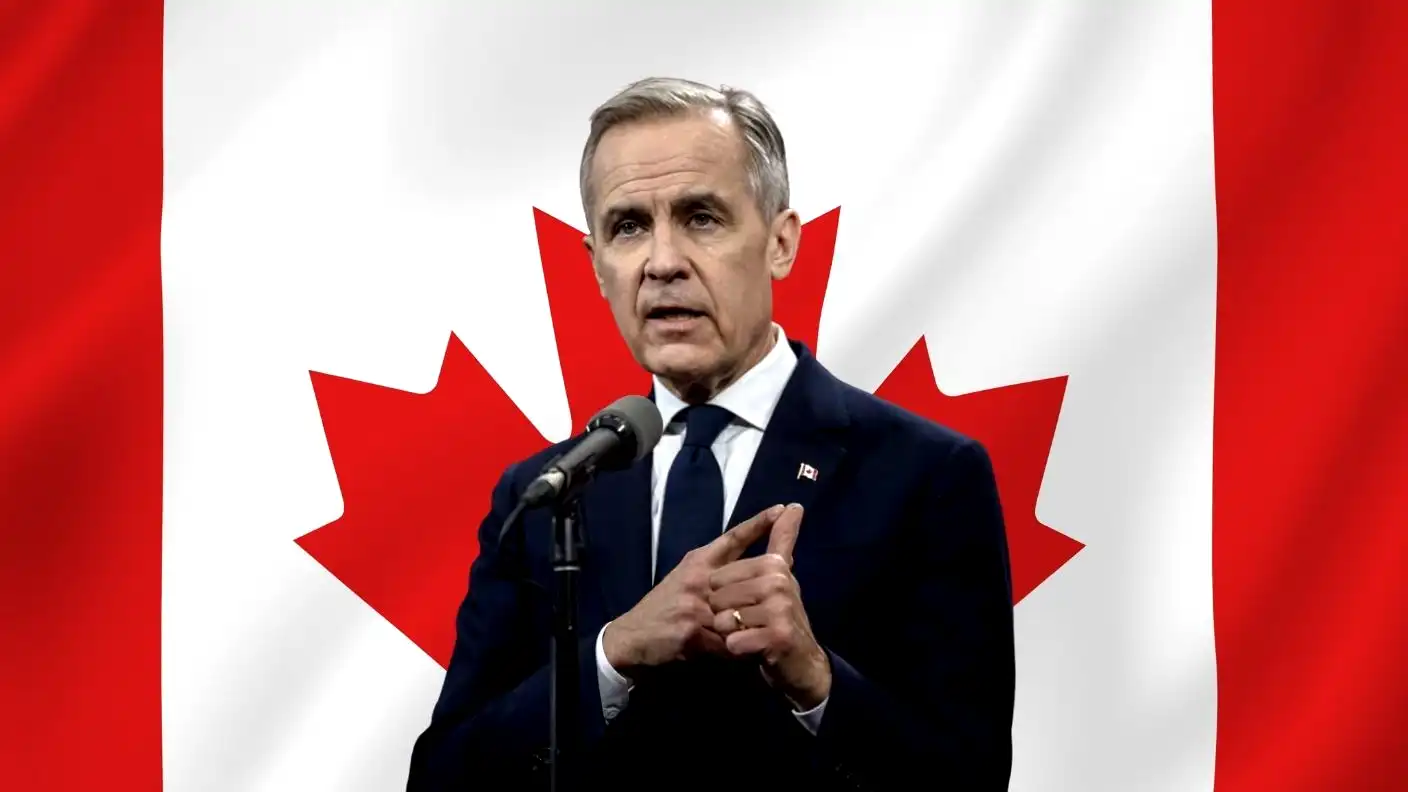
Prime Minister Mark Carney and Alberta Premier Danielle Smith revealed a major energy agreement on Friday. The two leaders signed a pact designed to expand Canadian exports, cut greenhouse gas emissions, and boost the national economy. They plan to achieve these goals by heavily developing the energy sector. This new framework ends months of tense negotiations between the federal government and the oil-rich province. Both sides now say they have a clear path forward. They want to balance economic growth with serious environmental responsibility.
A massive piece of this agreement focuses on carbon pricing. The two governments agreed to establish an effective carbon price of $130 per tonne by the year 2040. To get there, they set clear stepping stones. The price will hit $115 per tonne by 2030 and climb to $130 by 2035. Meanwhile, the official headline carbon price will reach $140 per tonne by 2040. Alberta also agreed to enforce a strict minimum floor price for its Technology Innovation and Emissions Reduction system credits starting in 2030. This rule ensures heavy industrial polluters actually pay a fair penalty for their emissions.
To help companies transition to cleaner operations, Canada and Alberta will issue 75 million tonnes worth of Carbon Contracts for Difference. These contracts guarantee a fixed carbon price for businesses that invest in green technology. If political shifts happen and carbon prices drop in the future, the government pays the difference to the company. The federal and provincial governments will split the costs of these contracts right down the middle. This even split shows a rare moment of financial cooperation between federal leaders in Ottawa and provincial leaders in Edmonton.
The agreement also tackles Alberta’s power grid. The province plans to double its electricity capacity entirely by the year 2050. To reach this massive goal, Alberta will build new nuclear, wind, solar, and geothermal power plants. Leaders formed a joint Electricity Working Group to figure out exactly which power projects they need to fund. This working group will identify specific investments required to help Alberta hit net-zero electricity emissions by 2050. They want to make sure homes and businesses have enough power as the population grows.
Exporting energy remains a top priority for Alberta. Premier Smith agreed to submit a formal proposal for a brand new bitumen pipeline. This pipeline will send Canadian crude oil directly to Asian markets. She will send this proposal to the federal Major Projects Office by July 1, 2026. In return, Prime Minister Carney promised his team would push to designate the pipeline as a project of national interest. The federal government plans to approve the pipeline under the Building Canada Act by October 1, 2026. Sending oil straight to Asia helps Canada get better prices and reduces the country’s heavy reliance on buyers in the United States.
The pipeline deal comes with a huge requirement. Alberta can only build the new pipeline if the energy sector successfully develops the Pathways Project. This massive carbon capture and storage initiative traps carbon deep underground before it enters the atmosphere. Planners expect the project to eliminate 16 million tonnes of carbon emissions every single year. Beyond helping the environment, the Pathways Project offers massive economic benefits to local communities. Economists project the initiative will generate $16.5 billion in gross domestic product. They also expect it to add $12.2 billion in labor income to the economy while creating up to 43,000 jobs annually.
The new climate pact builds directly on a Memorandum of Understanding that the two sides signed in November 2025. One specific target involves cutting methane gas. Methane traps heat in the atmosphere much more effectively than carbon dioxide. Canada and Alberta want to finalize a formal methane equivalency agreement by the end of 2026. This side deal forces Alberta’s oil and gas sector to drop its methane emissions quickly. The ultimate goal is to slash methane emissions by 75% from 2014 levels by 2035.
The federal Major Projects Office will oversee many of these newly announced plans. Prime Minister Carney launched this office in August 2025 to speed up the approval process for major infrastructure projects. Since opening its doors, the office has already supported 22 major projects across the country. These supported projects include nuclear plants, liquefied natural gas terminals, critical mineral mines, and major transportation networks. Altogether, these 22 projects represent over $126 billion in new investments. The office now turns its attention to ensuring this new Alberta-Canada energy pact delivers real results.