
Key Points:
- Nvidia CEO Jensen Huang plans to spend up to $150 billion a year in Taiwan, designating the island as the global epicenter of the artificial intelligence revolution.
- Advanced Micro Devices (AMD) CEO Lisa Su announced a $10 billion investment in Taiwan’s AI sector to secure critical manufacturing and packaging capacity.
- Industry experts highlight a massive shift in Taiwan’s role from a simple chip manufacturer to a complete, end-to-end AI systems and infrastructure hub.
- Despite rising geopolitical tensions between China and the United States, Taiwan’s server exports surged to $60 billion last year, up from $571 million in 2017.
The annual Computex trade show in Taipei, scheduled from June 2 to June 5, 2026, marks a major shift in the technology sector. Historically, this event served as a launching pad for consumer laptops, graphics cards, and gaming accessories. Today, Computex has become a critical forum for enterprise technology. The global tech industry is converging on Taiwan, with Nvidia and the island’s domestic supply chain taking center stage. This year, the main discussion focuses not just on who designs the fastest processors but also on who can build and manage the massive physical infrastructure that keeps generative artificial intelligence running.
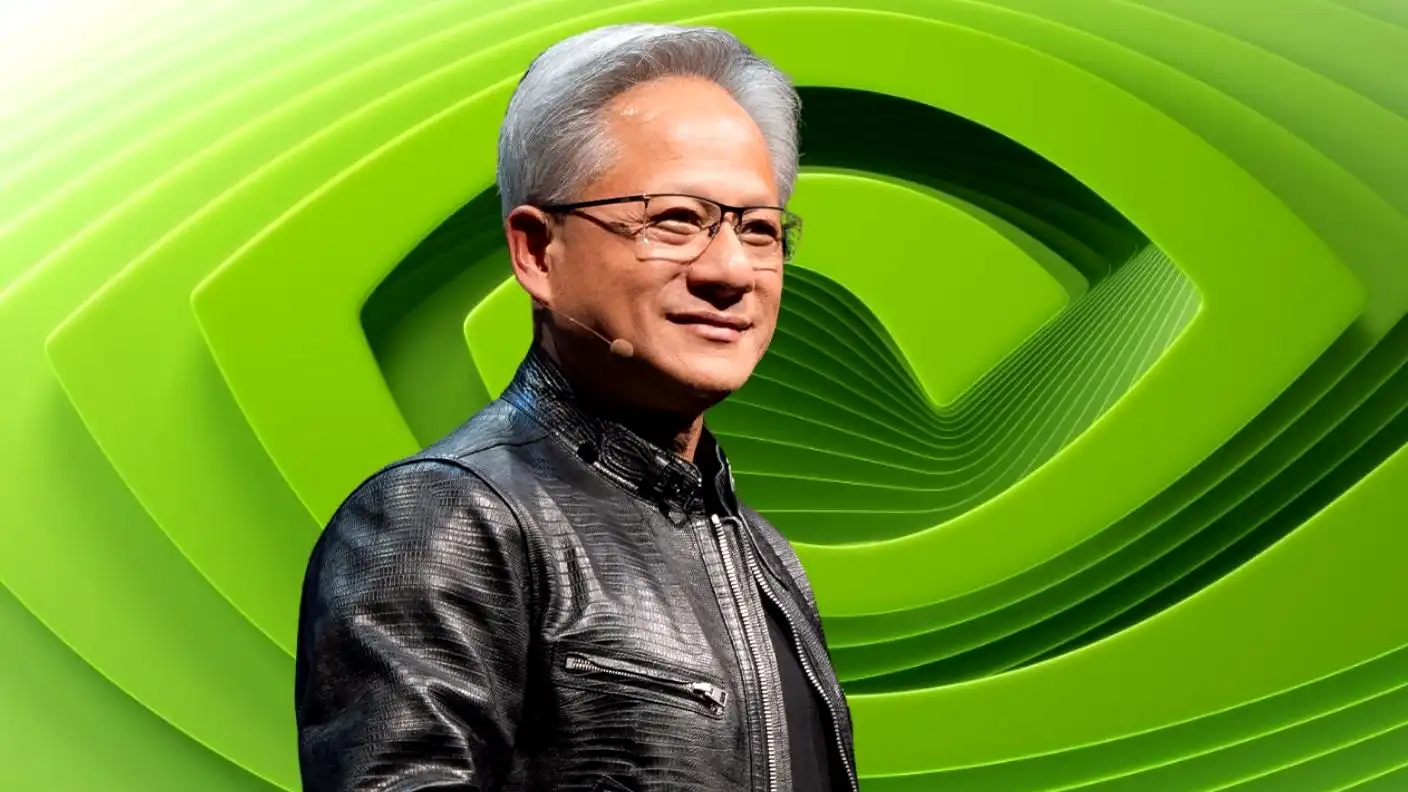
Nvidia CEO Jensen Huang set the tone for the event by arriving in Taipei more than a week before the official start. During his early meetings, Huang declared Taiwan the absolute epicenter of the AI revolution. He backed this claim with a massive financial pledge, stating that Nvidia intends to spend up to $150 billion annually on the island. Huang highlighted the rapid growth of his company’s local ecosystem, noting that Nvidia’s network of Taiwanese partners has expanded from just 10 companies years ago to over 150 partners today. This tight-knit network allows Nvidia to manufacture and distribute its highly demanded hardware quickly.
Nvidia is not the only silicon giant doubling down on its presence in the region. AMD Chief Executive Lisa Su recently revealed that her company plans to invest more than $10 billion into Taiwan’s expanding AI sector. Su noted that AMD actively co-invests with local manufacturers to lock in sufficient production capacity for 2026 and subsequent years. This aggressive funding shows the high stakes in the semiconductor industry, where access to advanced chip packaging and manufacturing lines can decide which tech company dominates the market.
The massive investments from Nvidia and AMD highlight a fundamental shift in how the technology world views Taiwan. Analysts point out that the island’s role has evolved far beyond a simple semiconductor story. While companies like TSMC manufacture the actual silicon, a massive, diverse ecosystem of local suppliers handles the complex tasks of assembling AI servers, designing cooling mechanisms, and building networking components. The core challenge of modern AI has shifted from designing the chip to engineering a fully powered, cooled, networked, and easily serviceable data center system. Taiwan-based firms are uniquely positioned to solve these engineering challenges.
The excitement surrounding Computex will officially begin with a keynote presentation by Jensen Huang on Monday. Attendees expect Huang to highlight deeper integration between Nvidia and its hardware partners. Since his arrival, the Nvidia co-founder has engaged in a non-stop series of dinners and high-level meetings with key tech figures. His schedule included private discussions with TSMC CEO C.C. Wei, Foxconn Chairman Young Liu, and Quanta Computer Chairman Barry Lam. These meetings aim to align production schedules and iron out supply bottlenecks for Nvidia’s next wave of systems.
Tech analysts expect Nvidia to use the trade show to focus on its data center products and industrial technologies. A major point of interest is the newly introduced Vera Rubin AI computing platform, which relies on the next-generation Vera central processing unit. Beyond traditional servers, Nvidia is also pushing heavily into robotics and AI-powered manufacturing. By showcasing physical robots running on Nvidia software alongside advanced factory automation tools, the chipmaker hopes to prove that artificial intelligence can move from digital chat interfaces into physical, real-world applications.
While Huang commands much of the public attention, a long list of global chip executives will also attend the event. The exhibitor list has grown to 1,500 companies, making this the largest Computex in history. High-profile attendees include Intel CEO Lip-Bu Tan, Qualcomm CEO Cristiano Amon, and Arm CEO Rene Haas. Additionally, Marvell Chief Executive Matt Murphy and NXP Semiconductors CEO Rafael Sotomayor will participate in panels and presentations, showing how deep the global semiconductor supply chain runs through the halls of the Taipei Nangang Exhibition Center.
A keynote address by Intel CEO Lip-Bu Tan will likely draw significant scrutiny from investors and rivals. Since taking the helm, Tan has worked to stabilize Intel and put the American semiconductor giant back on solid footing. Industry watchers expect his speech to outline Intel’s new strategic directions, particularly its push into high-performance CPUs designed for AI inference. Rumors also point to potential announcements regarding a collaborative Nvidia PC platform, new Arc G-series processors for handheld gaming devices, and Intel’s strategies to navigate high global memory prices.
This massive wave of business activity occurs against a backdrop of complex international politics and heightened regional tensions. Just this month, Chinese President Xi Jinping met with U.S. President Donald Trump, warning that mishandling Taiwan’s status could lead to direct conflict between the two superpowers. In tandem, Beijing has kept up the pressure by increasing its military patrols and naval presence in the waters surrounding the island. However, these geopolitical worries have not slowed down the rapid pace of technology agreements or discouraged multinational executives from traveling to Taipei.
The relentless growth of Taiwan’s hardware exports offers clear proof of the island’s economic resilience. Government data shows that Taiwan’s exports of specialized servers surged to a massive $60 billion last year. This represents an incredible leap from 2017, when server exports totaled a modest $571 million. As global corporations rush to build out their data centers, Taiwan’s factory floors have become indispensable. Computex 2026 acts as a clear reminder that while software algorithms grab the headlines, the physical machines that power them remain firmly rooted in Taiwan.