

Key Points:
- Japan’s Finance Ministry officially confirmed a record-breaking 11.73 trillion yen ($74 billion) currency intervention over the past month.
- The massive dollar-selling operation represents Tokyo’s first direct intervention in the foreign exchange market since July 2024.
- Speculators exploited thin holiday trading during Japan’s Golden Week, prompting top officials to issue stern warnings.
- Despite the historic $74 billion defense, the yen’s recovery was short-lived, with the currency sliding back to the 159 zone on Friday.
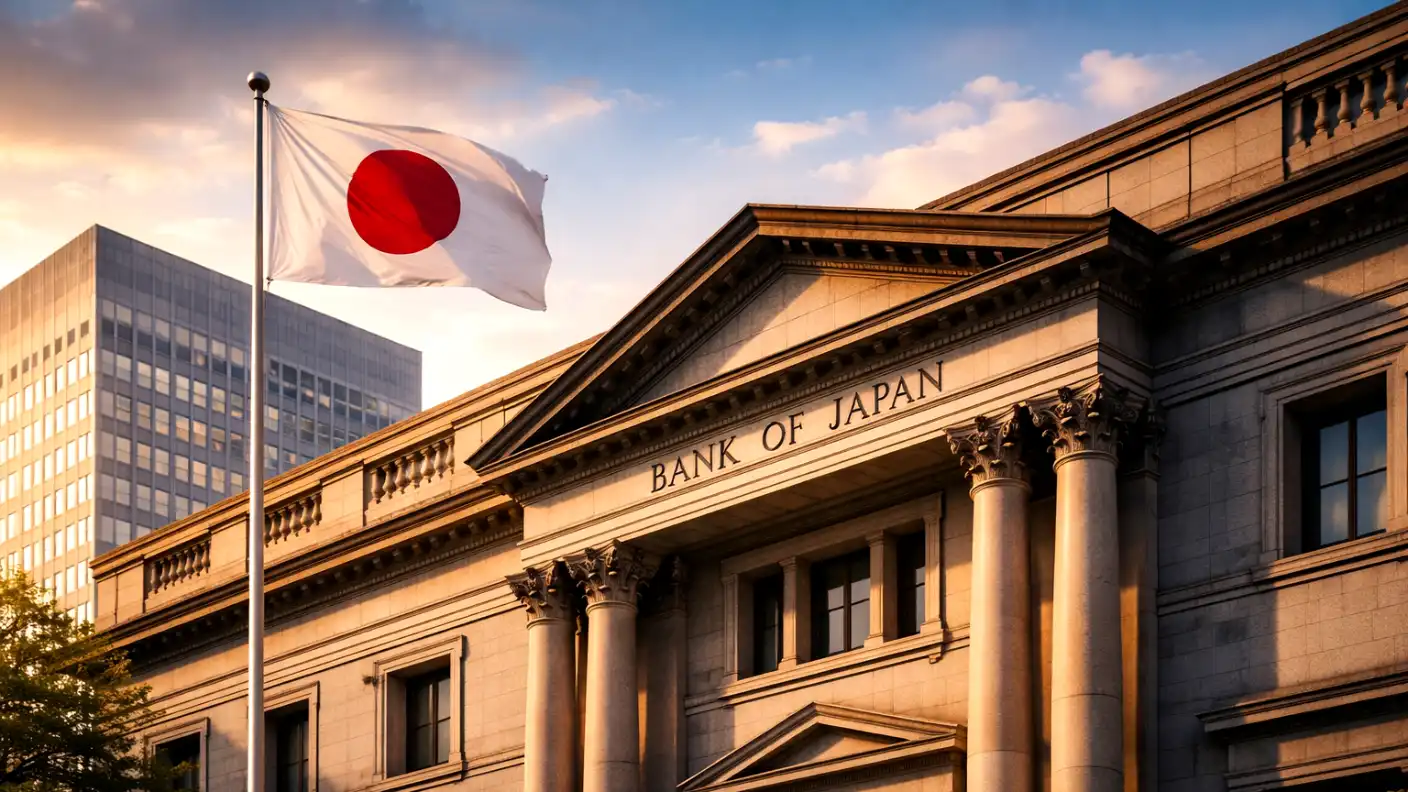
The Japanese government has officially confirmed executing a massive, record-breaking currency intervention to defend the yen against aggressive speculative attacks and geopolitical headwinds. On Friday, May 29, 2026, the Ministry of Finance revealed that authorities spent an unprecedented 11.73 trillion yen (approximately $74 billion) over the past month. The historic dollar-selling operation, which ran from April 28 to May 27, marks Tokyo’s first direct intervention in the foreign exchange market since July 2024, when the government spent 5.53 trillion yen to shore up its currency.
The scale of the latest intervention easily surpassed the previous monthly record of 9.79 trillion yen, which the government spent over a frenzied two-day period in April and May 2024. Although the ministry did not release a daily breakdown of the operations, market analysts believe that authorities stepped in on multiple occasions. These coordinated actions aimed to punish global macro hedge funds and algorithmic traders who were aggressively shorting the Japanese currency, driving the yen down toward historic lows.
The highly volatile currency movements coincided with Japan’s traditional Golden Week holidays, a period defined by thin trading volumes and closed domestic banks. Speculators regularly exploit these low-liquidity windows to execute large-scale, automated trades designed to trigger stop-loss orders and drive rapid price declines. The first suspected intervention occurred on April 30, when the yen suddenly skyrocketed from the upper 160 range to the 155 zone within minutes, catching retail traders and offshore funds completely off guard.
Although the yen weakened shortly after the initial April 30 intervention, the currency experienced further rapid, unexplained gains on May 1, May 4, and May 6. On each of these days, the yen shot up from the 157 zone back to the stronger 155 range, fueling widespread views among institutional desks that the central bank was actively executing secondary, stealth interventions. These back-to-back operations demonstrated Tokyo’s determination to establish a firm psychological barrier against further currency depreciation.
However, the long-term effectiveness of this multi-billion-dollar defense appears highly short-lived. While the yen briefly hit its strongest point since late February in the lower 155 zone on May 6, the currency has since resumed its steady decline. On Friday, the yen was changing hands mostly in the lower 159 zone against the greenback, erasing nearly all of the gains from the intervention. This rapid reversal proves that even a massive $74 billion government cash injection cannot easily overcome the fundamental macroeconomic forces currently driving the global financial system.
The primary driver behind the yen’s persistent weakness is the massive global demand for the U.S. dollar, which continues to attract heavy buying as the ultimate safe-haven asset. The ongoing war in the Middle East has closed the critical Strait of Hormuz, driving global energy costs past $100 per barrel and raising fears of a prolonged inflation shock. Because the prospect of a lasting peace agreement between Washington and Tehran remains highly uncertain, global investors are hoarding dollars, pushing up U.S. bond yields and widening the interest rate gap between the United States and Japan.
This currency depreciation carries severe economic consequences for resource-scarce Japan, which relies on imports to meet over 80% of its national energy and food needs. A weaker yen makes dollar-denominated imports of crude oil, natural gas, and raw industrial materials significantly more expensive in local terms. This imported cost-push inflation is rapidly eroding the purchasing power of Japanese households, squeezing corporate profit margins, and threatening to drag down the country’s overall GDP growth by an estimated 1.5% or more if left unchecked.
Before launching the physical interventions, Japanese financial authorities had dramatically stepped up their verbal warnings to deter speculative trading. On April 30, Japanese Finance Minister Satsuki Katayama warned that the government would take decisive action to counter excessive currency volatility. On the same day, top currency diplomat Atsushi Mimura went even further, issuing what he described as a “final evacuation advisory” to speculative short-sellers, signaling that the central bank was prepared to deploy its massive foreign reserves to stabilize the yen.
As the Bank of Japan prepares for its highly anticipated policy meeting on June 15–16, the limits of direct market intervention have become painfully clear. While spending $74 billion successfully punished short-sellers in the short term, the central bank cannot stabilize the yen permanently through currency intervention alone. To build a resilient economy and protect its citizens from imported inflation, Japan must eventually raise its benchmark interest rates, narrowing the global yield gap and proving to the world that it is ready to normalize its monetary policy.