Key Points:
- A Reuters analysis of the 50 highest-valued IPOs in the past five years reveals that 75% underperformed the S&P 500.
- Investors buying into these top listings averaged a 27% return, while the broader S&P 500 gained 53% over the same periods.
- SpaceX is preparing for a blockbuster June 11, 2026, debut, targeting a massive $1.75 trillion valuation despite losing nearly $5 billion last year.
- While AI-linked stars like Astera Labs surged over 700%, other major market debuts like Rivian and Didi Global have plummeted up to 82%.
Wall Street is abuzz with excitement over the expected blockbuster debut of Elon Musk’s rocket and satellite manufacturer, SpaceX, scheduled for next month. However, a new financial analysis warns that highly anticipated, high-profile market listings rarely deliver the outsized returns that retail investors expect. The historical data suggest that individuals looking to buy into the next big tech company often end up trailing the broader market.
To evaluate the long-term performance of major market listings, Reuters recently analyzed the 50 highest-valued initial public offerings (IPOs) from the past five years. The findings reveal a sobering reality for equity investors: three-quarters (75%) of these highly valued debuts underperformed the benchmark S&P 500 index. An investor who purchased shares in each of the 50 tracked IPOs at their initial offering prices would have gained an average return of 27% through May 21, 2026. In comparison, the S&P 500 gained an average of 53% over those same holding periods, nearly doubling the performance of the hot new listings.
Furthermore, the performance gap widens significantly for average retail investors who buy shares on the first day of public trading. Because investment banks reserve pre-IPO share allocations almost exclusively for institutional clients and wealthy insiders, ordinary traders must buy on the frenzied first day of trading, when prices are often inflated. Dennis Dick, a proprietary trader at Triple D Trading, explained that unless investors can access these companies before the actual IPO stage, making a consistent profit is remarkably difficult.
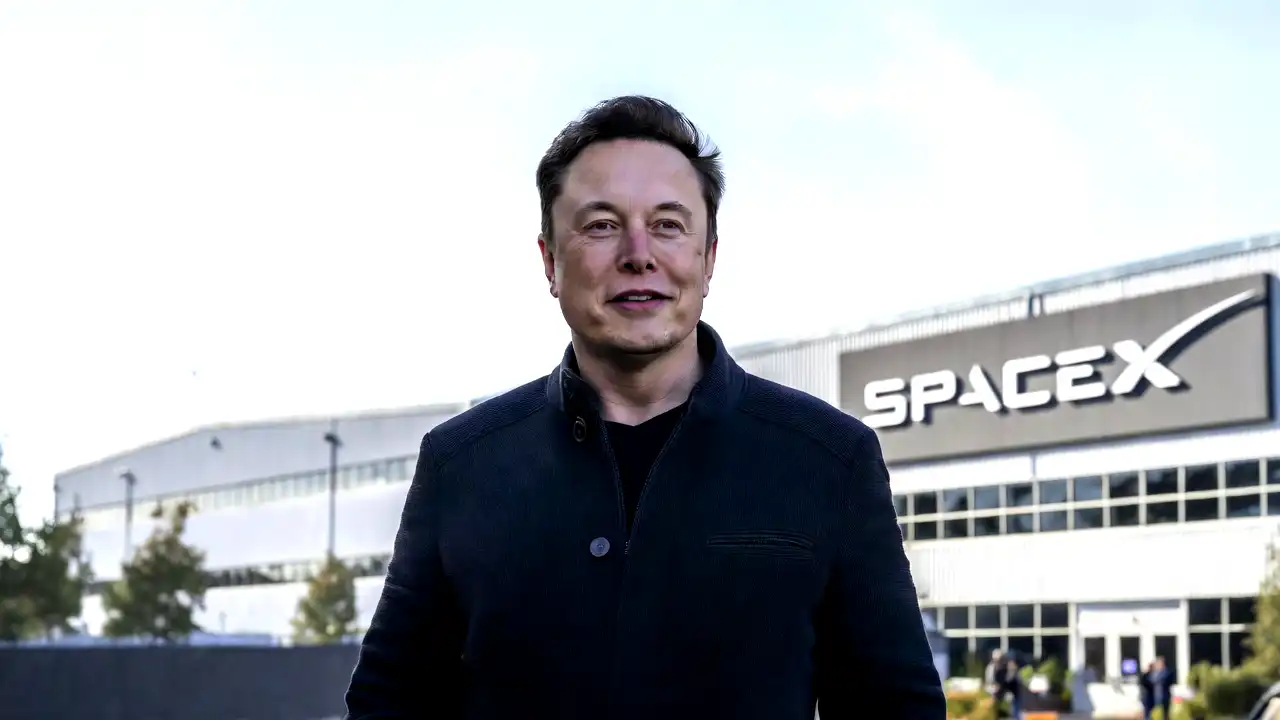
This historical warning arrives just as investors prepare for what could become the largest stock market debut in history by valuation. SpaceX plans to file its official prospectus and launch a share sale as soon as June 11, 2026, trading under the ticker symbol SPCX. The private aerospace giant is targeting a staggering $1.75 trillion valuation, which would place the company at a price-to-sales ratio of nearly 100. This highly aggressive valuation has raised eyebrows among conservative analysts, especially since the company posted a net loss of nearly $5 billion last year despite the global success of its Starlink satellite constellation.
Nevertheless, Elon Musk plans to make a portion of the SPCX shares available to retail buyers, hoping to leverage his massive personal fan base to drive up demand. This strategic move will likely fuel a massive speculative frenzy on the first day of trading, drawing in millions of retail investors who want a piece of the commercial space economy. However, if the company follows the historical path of other high-valuation mega-IPOs, these early buyers face a significant risk of long-term underperformance.
To be fair, some recent tech and AI-linked debuts have defied these negative historical trends, delivering spectacular returns for early investors. Semiconductor connectivity company Astera Labs has surged more than 700% since its high-profile debut in 2024, capitalizing on the insatiable global demand for artificial intelligence hardware. Similarly, British chip design giant Arm Holdings has climbed roughly 400% since its late 2023 IPO. Most recently, AI chip competitor Cerebras Systems, which went public on May 14, 2026, rose 52% from its offering price, though it has since pulled back 27% from its initial intraday peak.
However, for every AI-fueled success story, the market has witnessed several catastrophic failures that have wiped out billions of dollars in investor capital. Chinese ride-hailing giant Didi Global, which went public in a highly publicized 2021 listing, eventually faced regulatory crackdowns and saw its share price plummet 74% from its IPO price before delisting. Similarly, electric vehicle manufacturer Rivian Automotive, once hailed as the next major challenger to Tesla, has suffered from persistent production bottlenecks, dragging its stock price down by a staggering 82% from its initial offering.
Despite these clear structural risks, the insatiable demand for cutting-edge technology and artificial intelligence is pushing the broader U.S. stock market to consecutive record highs. Following SpaceX’s expected debut, investors anticipate that other high-profile private tech unicorns, including ChatGPT creator OpenAI and safety-focused competitor Anthropic, will quickly advance their plans for multi-billion-dollar listings. These upcoming tech debuts will continue to draw massive crowds of eager investors, even as the historical data advises caution.
Ultimately, the upcoming SpaceX listing will serve as an essential litmus test for the health of the global IPO market. While the prospect of owning a piece of the world’s premier commercial rocket builder remains incredibly alluring, smart investors must weigh their enthusiasm against the cold reality of historical returns. If the tech giant struggles to justify its $1.75 trillion valuation and close its multi-billion-dollar net losses, the debut could join the long list of highly valued listings that failed to outpace a simple, diversified S&P 500 index fund.