Key Points:
- The United States approved 10 Chinese tech companies to buy Nvidia H200 chips, but zero deliveries have happened.
- Nvidia CEO Jensen Huang joined President Donald Trump in Beijing to help negotiate the stalled tech deals.
- The Chinese government pressures local companies to avoid American chips and buy domestic hardware instead.
- President Trump requires a 25% revenue cut and a United States layover for the chips, causing security fears in China.
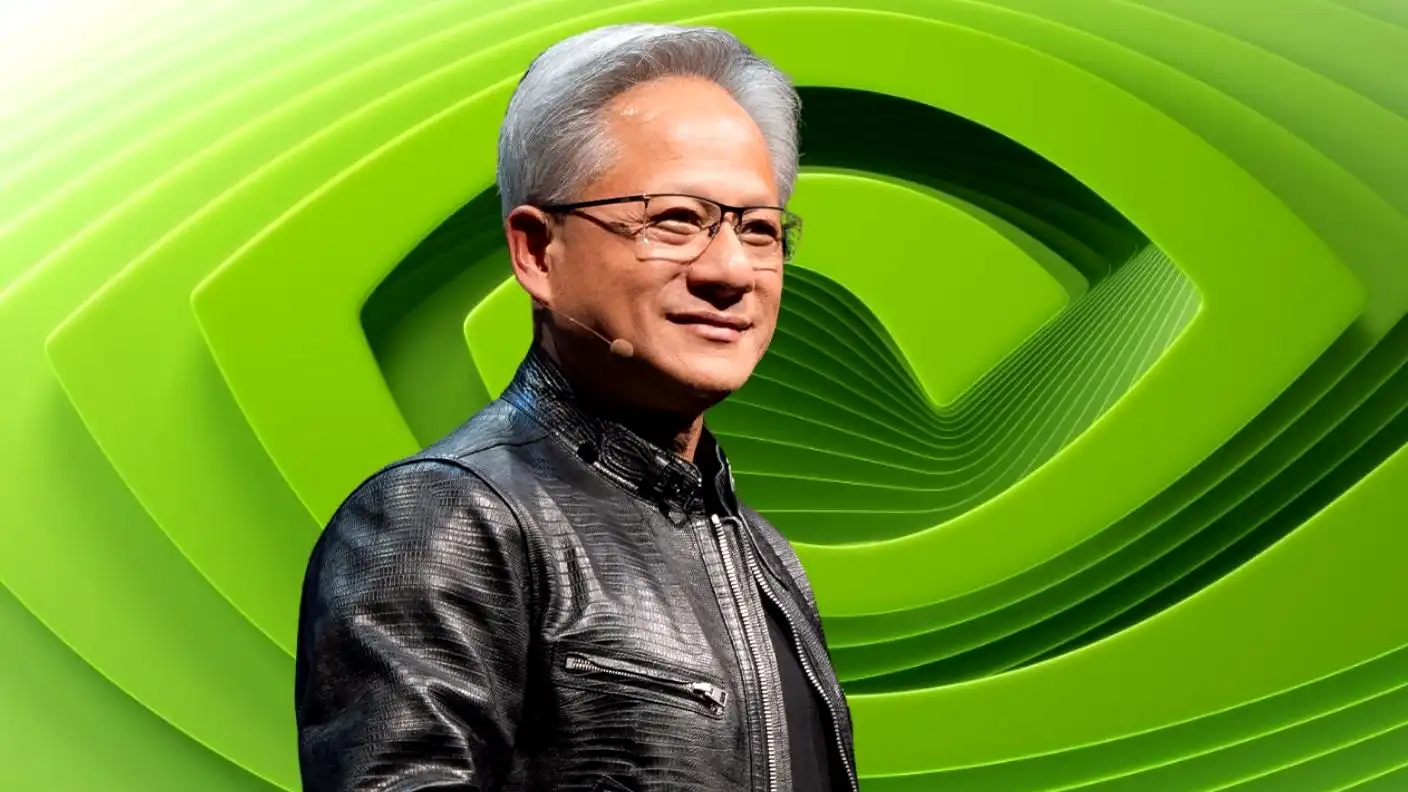
The United States government granted 10 Chinese technology companies permission to purchase Nvidia’s second-most powerful artificial intelligence chip. However, Nvidia has not shipped a single H200 chip yet. To save this massive business deal, Nvidia Chief Executive Officer Jensen Huang joined United States President Donald Trump on a high-stakes trip to Beijing. Trump picked Huang up in Alaska on his way to meet Chinese President Xi Jinping. They hope this diplomatic visit will finally unlock the stalled sales and get the chips moving.
Billions of dollars are on the line right now. Nvidia finds itself completely trapped between the conflicting goals of two rival nations. Before the United States tightened its export rules, Nvidia controlled about 95% of the advanced chip market in China. Chinese buyers once accounted for 13% of the world’s most valuable chipmaker’s total revenue. Huang recently estimated that the Chinese artificial intelligence market alone will generate a massive $50 billion this year.
The United States Commerce Department secretly approved major Chinese technology giants to buy these H200 chips. Sources close to the deal say the list includes heavyweights like Alibaba, Tencent, ByteDance, and JD.com. The government also gave a green light to a few hardware distributors, including Lenovo and Foxconn. Under the current American license rules, each approved customer can buy up to 75,000 chips. Buyers can purchase the hardware directly from Nvidia or use the approved distributors. Lenovo released a quick statement confirming its official approval to sell the H200 chips in China.
Despite getting full permission from American officials, the deals hit a massive wall in Asia. Chinese companies suddenly stopped their orders after receiving direct guidance from politicians in Beijing. The Chinese government pressured local tech giants to cancel or heavily delay their foreign chip orders. Beijing wants to force domestic companies to buy homegrown hardware instead, aiming for total technological independence.
United States Commerce Secretary Howard Lutnick confirmed this exact situation during a Senate hearing last month. Lutnick told lawmakers that the Chinese central government refuses to allow local companies to buy American chips. He explained that Beijing wants to force all technology investment to flow directly into its domestic industry. Chinese officials worry that importing foreign chips will destroy their efforts to build independent artificial intelligence hardware.
Because Chinese companies cannot buy Nvidia products, they must pivot to local alternatives. Tech firms increasingly brag about using domestic chips designed by Chinese companies like Huawei and DeepSeek. This sudden shift severely damages Nvidia’s business model in Asia. Huang recently warned investors that strict American export controls constantly erode his company’s foothold in the region. He admitted that his market share of artificial intelligence accelerators in China had essentially dropped to zero.
Even if Beijing allowed the sales to proceed, both sides face incredibly thorny conditions. The United States issued strict new rules in January. Chinese buyers must prove they have implemented sufficient security measures to protect the hardware. They also must guarantee they will never use the powerful chips for any military purposes. At the same time, Nvidia must certify that it maintains sufficient chip inventory in the United States to satisfy domestic buyers.
A highly complicated financial arrangement makes the deal even harder to close. President Trump negotiated a special arrangement in which the United States government takes 25% of the total revenue from these specific chip sales. Because American law does not allow direct export fees, Trump requires the chips to physically pass through United States territory before heading to China.
This strange routing requirement makes politicians in Beijing incredibly nervous. Chinese officials fear American agents might tamper with the chips or install hidden software vulnerabilities during the mandatory layover. China recently increased its scrutiny over all foreign technology entering the country. The State Council issued two major supply chain security regulations in recent weeks. These new rules launched a massive government effort to find and remove potential foreign dependencies from critical technology infrastructure.
While Nvidia desperately tries to save the deal, politicians in Washington celebrate the delay. American hardliners completely dismiss claims from the Trump administration that selling these chips will somehow deter Chinese rivals. Chris McGuire, a senior fellow at the Council on Foreign Relations, strongly criticized the sales effort. McGuire argued that giving Nvidia chips to China leaves fewer chips for American companies. He stated that the President keeps putting Nvidia’s corporate interests ahead of American national security and dominance in artificial intelligence.