Key Points:
- New diamond patterns lower electronic temperatures by 23 degrees Celsius.
- The method builds diamonds from the bottom up rather than carving them.
- Researchers use microwave energy to rain carbon atoms onto specific seeds.
- The technique works on standard silicon and gallium nitride materials.
Heat is the biggest enemy of modern electronics. From the chips in your smartphone to the massive servers running artificial intelligence, everything slows down or breaks when it gets too hot. Researchers at Rice University have found a brilliant solution to this problem. They developed a new way to grow patterned diamond surfaces that can drop operating temperatures by a massive 23 degrees Celsius.
Diamond is famous for being the hardest material on Earth, but it is also incredible at moving heat away from sensitive parts. The problem is that diamond is so hard that cutting or carving it into small shapes for computer chips is nearly impossible. It takes too long and often breaks the material. The team at Rice decided to try a different approach. Instead of cutting a big diamond down, they grew it from the bottom up, exactly where they needed it.
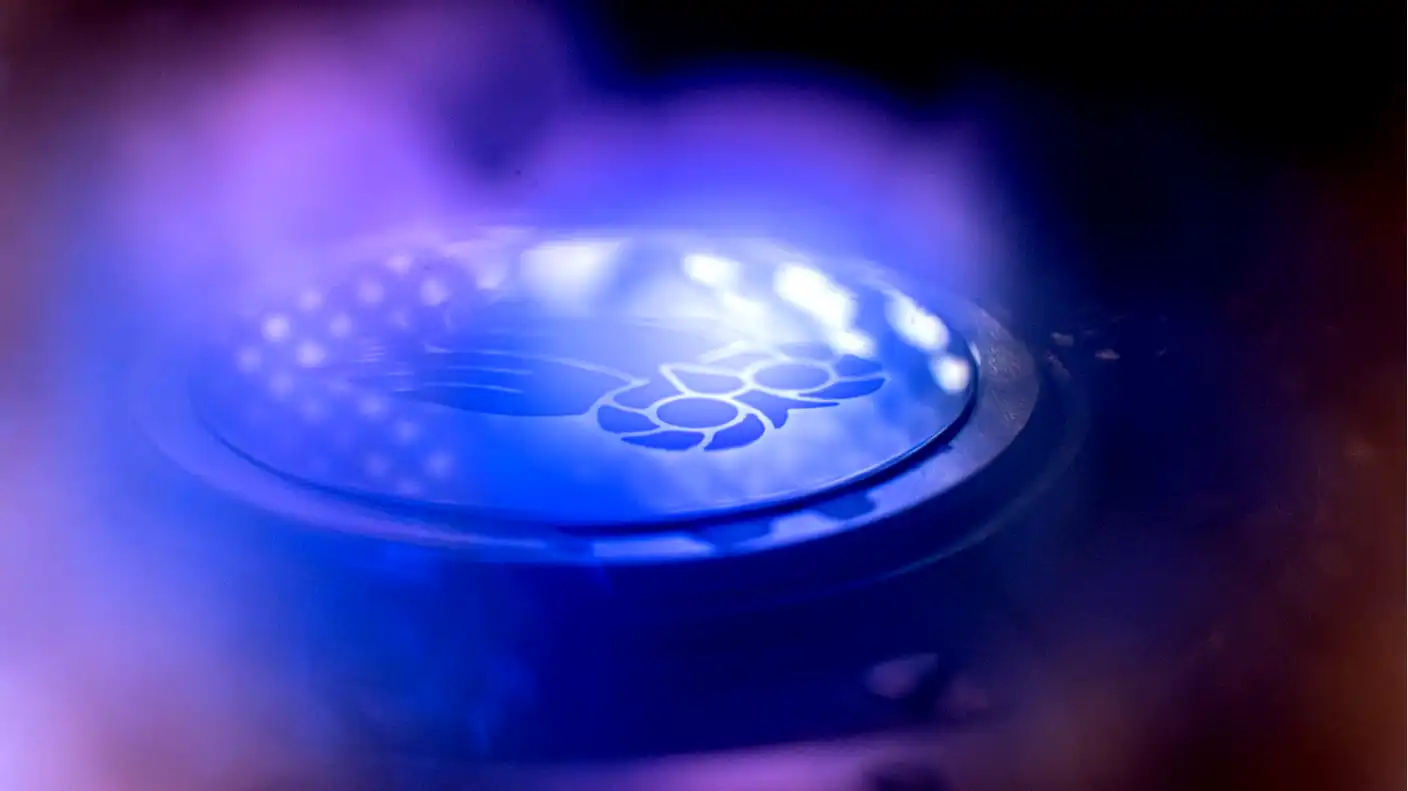
Xiang Zhang, a lead author of the study, explains that they use a special reactor. This machine uses microwave energy—much more powerful than the one in your kitchen—to turn gas into plasma. This process breaks down carbon gases and lets carbon atoms rain down onto a surface. To make sure the diamond only grows in specific patterns, the team plants tiny “seeds” made of nanodiamonds.
The researchers used techniques like laser cutting and light exposure to create stencils. These stencils guide the carbon atoms to settle only on the seeds, building up the diamond layer by layer in precise shapes. This method allowed them to scale the process up to a full two-inch wafer, which is a standard size for testing new materials.
The results are promising for the future of tech. By integrating these diamond cooling layers directly onto materials like silicon and gallium nitride, devices can run faster and last longer.
Surprisingly, this breakthrough began as an art project. Zhang originally wanted to grow a diamond in the shape of an owl, the university’s mascot, to give as a gift to visitors. That creative experiment with scientific art eventually evolved into a practical method that could save the next generation of high-power electronics from overheating.
Source: Applied Physics Letters (2026).