Key Points:
- RLWRLD captures motion data from skilled workers to train physical artificial intelligence robots for factories and homes.
- The South Korean government invested $33 million to record the expertise of master technicians for machine databases.
- Major companies like Hyundai and Samsung plan to deploy humanoids in their factories between 2028 and 2030.
- Labor unions express deep concern over potential job losses, prompting calls for better communication with workers.
David Park works at the five-star Lotte Hotel Seoul. He straps body cameras to his head, chest, and hands. He then folds a banquet napkin perfectly. He repeats this action just as he has done thousands of times over his 9 years at the hotel. His movements feed directly into a computer database. One day, this data will teach a robot to fold napkins exactly like a human.
Park partners with RLWRLD, a South Korean artificial intelligence startup. The company works with multiple businesses to build a massive library of human skills. Engineers record skilled workers across different industries to develop smart brains for future robots. They want these machines to work in factories, stores, and eventually private homes.
The startup collects similar data from warehouse workers at CJ Logistics. The cameras capture how these employees grip, lift, and handle heavy boxes. RLWRLD also tracks workers at Lawson convenience stores in Japan to see how they organize food displays. The engineers focus heavily on copying the exact movements of human hands. They believe human-like machines will dominate the future robotics industry.
South Korea wants to lead the world in physical artificial intelligence. This term describes machines that use sensors to see, decide, and act in the real world. These new robots do much more than just repeat basic factory tasks. South Korean tech companies know they struggle to build text chatbots that compete with American software. However, the country has a massive manufacturing sector filled with highly skilled workers. They plan to use this physical expertise to train the best robots in the world.
The South Korean government recently announced a $33 million project to support this goal. Officials want to capture the instincts and skills of master technicians. They hope artificial intelligence robots will boost factory output and solve the problems caused by a shrinking workforce. Big companies also share this vision. Hyundai Motor plans to put humanoids in its global factories by 2028. Samsung Electronics wants to turn all its manufacturing sites into completely automated factories by 2030.
RLWRLD expects companies to buy these industrial robots in large numbers around 2028. The startup converts raw video footage of workers into computer data. Engineers then put on virtual reality headsets and motion-tracking gloves to repeat the same tasks. This process allows the computer to measure fine details, such as the angle of a joint and the exact amount of force a person uses to lift an object.
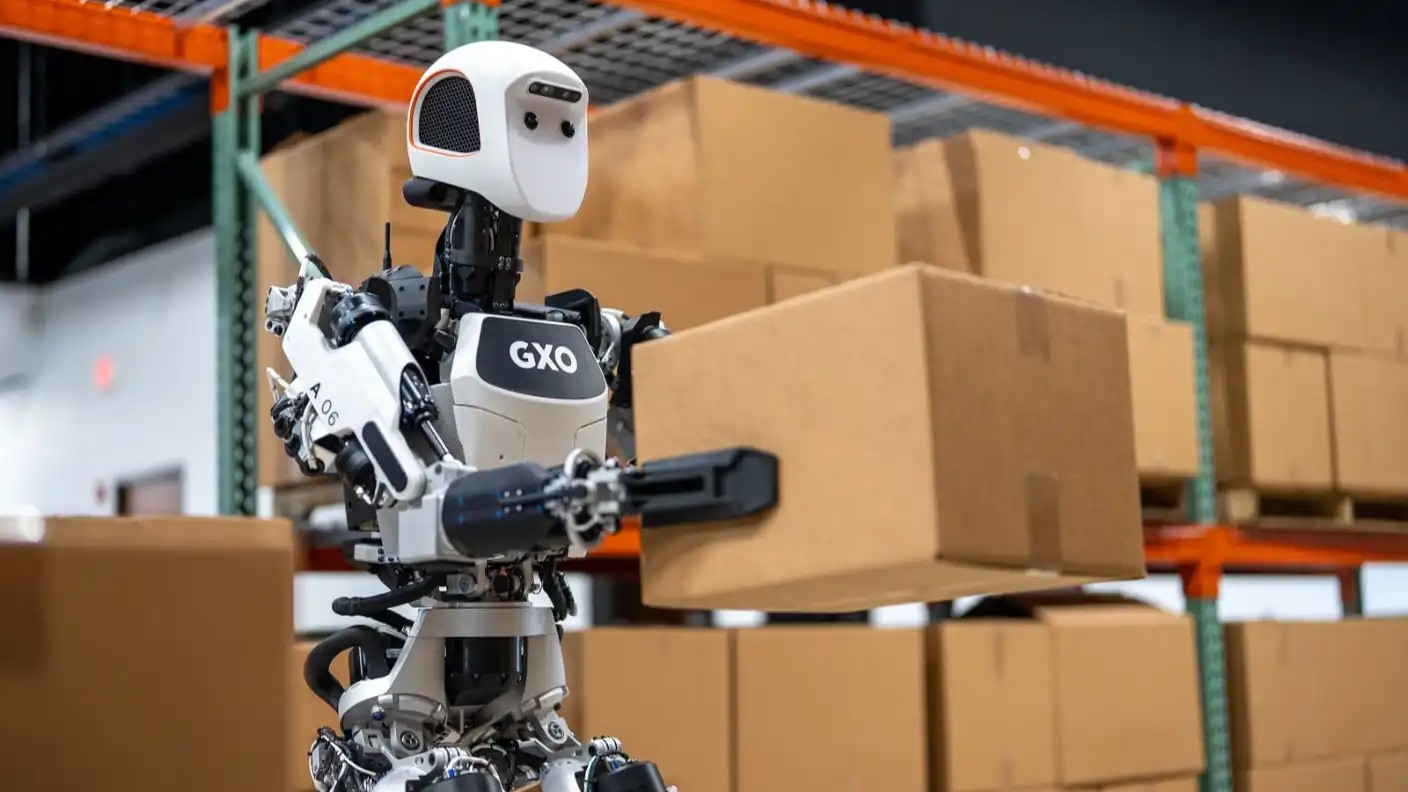
The startup operates a testing lab inside a messy suite on the 34th floor of the Lotte Hotel. Wires and computers cover the floor. Poles with infrared lasers stand in the corners. Engineers guide a wheeled robot with black metal hands across the room. During a recent test, the machine carefully lifted and placed cups at a minibar. In another test, a humanoid robot opened a box, placed a computer mouse inside, closed the lid, and set the box on a conveyor belt.
Most companies build robots with simple grippers that use two or three fingers. RLWRLD takes a much harder path by developing five-finger robots that mimic the human touch. Experts say factories might not always need five fingers. However, robots will absolutely need human-like hands when they finally enter private homes and interact closely with families.
This rapid technological push worries local labor groups. Union leaders fear these robots will steal jobs and destroy the skilled workforce that makes South Korea competitive. In January, the Hyundai labor union warned that robots would cause a massive employment shock. President Lee Jae Myung responded with a sharp warning. He called artificial intelligence a massive cart that nobody can stop. He told union members they must adapt quickly to these fast-approaching changes.
Kim Seok directs policy for the Korean Confederation of Trade Unions. He argues that mastering a skill remains a uniquely human achievement. He warns that replacing workers with robots will sever the training pipeline for future generations. He wants the government and big business owners to talk directly with workers to ease their fears about job losses.
Despite these concerns, Lotte Hotel moves forward with its automation plans. A robot currently takes several hours to clean a guest room that a human can finish in 40 minutes. However, hotel managers hope these machines will handle all cleaning and background tasks by 2029. They even plan to rent robots to other service businesses.
David Park sees a clear limit to what the machines can do. He estimates that humanoids might take over 30% to 40% of the behind-the-scenes workload. He believes robots will struggle to replace the remaining 60% of the job because hospitality requires real human interaction.