Key Points:
- Software stocks are sliding due to fears of AI disruption.
- Investors are moving money from tech into energy and industry.
- The Dow Jones hit a record 50,000 despite the tech slump.
- Delayed jobs and inflation reports will arrive this week. The Federal Reserve is expected to keep interest rates steady.
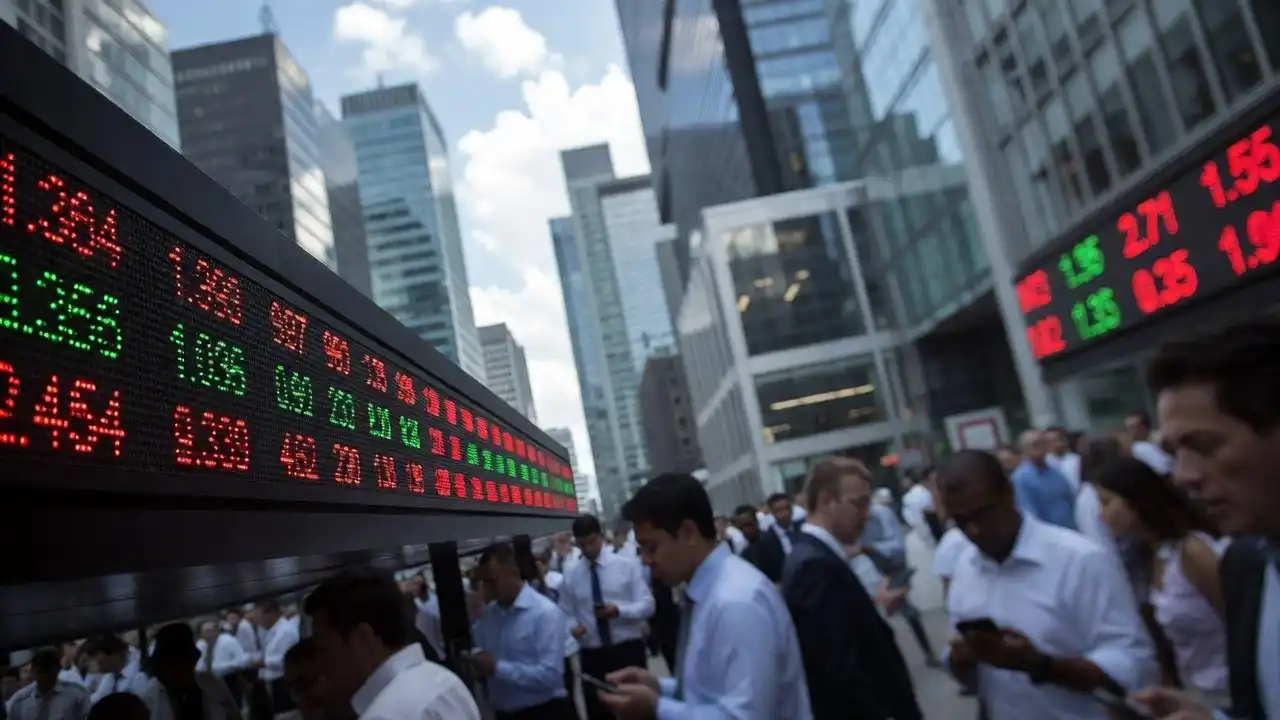
A shakeout driven by artificial intelligence is keeping stock investors on edge this week. While the broader market hit new highs recently, the heavyweight technology sector is showing cracks. Wall Street spent much of last week worrying that AI might actually hurt software companies rather than help them. This fear caused a sharp sell-off in software stocks, dragging down major indexes for days before a Friday rebound.
Despite the tech trouble, the Dow Jones Industrial Average managed to cross the 50,000 mark for the first time on Friday. This record was fueled largely by semiconductor companies and a rotation of cash into “old economy” sectors.
While tech struggles, boring but stable industries like energy, consumer staples, and industrials are shining. Angelo Kourkafas, a strategist at Edward Jones, notes that investors are taking profits from tech because expectations became too high to meet.
The stress is most visible in the software world. The S&P 500 software and services index tumbled 15% in just over a week. Disappointing earnings from giants like Microsoft have fueled the fire. Matthew Miskin of Manulife John Hancock Investments explains that the narrative has shifted. Previously, investors believed AI would lift all boats. Now, they worry that AI acceleration will leave some software companies behind.
Investors are now turning their attention to the economy. A recent three-day government shutdown delayed several key reports, which will finally drop this week. The January jobs report, set for release on Wednesday, is expected to show an increase of 70,000 jobs. On Friday, the consumer price index will offer a fresh look at inflation.
These numbers will heavily influence the Federal Reserve’s next move. With inflation still slightly elevated, markets expect the central bank to wait until its June meeting to cut interest rates. By then, President Donald Trump’s nominee for Fed chair, Kevin Warsh, may be leading the charge.
For now, traders are bracing for a volatile week as they weigh falling tech stocks against the health of the broader economy.