Key Points:
- The World Trade Organization plans to cut its 2026 spending by 10 percent because several member nations failed to pay their dues.
- The United States fell back into Category 1 arrears, owing roughly 23 million Swiss francs to the global trade body.
- Cost-saving measures include freezing new hires, cutting 39 short-term positions, and relying more on low-cost interns.
- United States Trade Representative Jamieson Greer recently stated the global organization will play a limited role in future American trade policy.
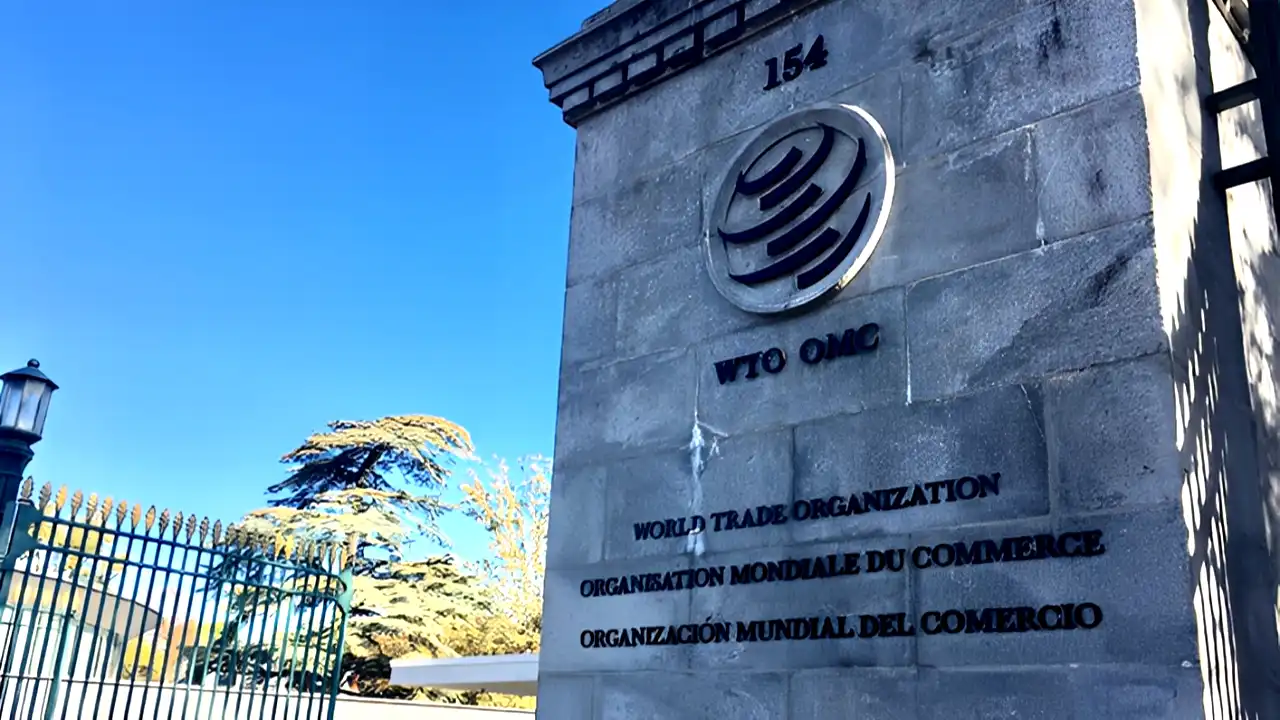
The World Trade Organization faces a severe financial crisis. The global trade watchdog plans to slash its spending by roughly 10 percent this year. This massive cut comes directly after the United States and several other member nations failed to pay their membership dues on time. Classified internal documents reveal a frantic effort inside the Geneva headquarters to keep the organization running amid mounting debts.
Financial records highlight the exact scope of the problem. Members originally approved a budget of 204.9 million Swiss francs, which equals roughly $263 million, for the 2026 calendar year. Now, budget committee leaders propose shrinking that spending down to 183.4 million Swiss francs. They desperately need to bridge the massive financial gap until countries finally decide to write their checks. The General Council plans to meet in Geneva this Wednesday to debate this emergency budget plan.
The United States is typically the largest financial contributor to the organization. However, Washington now owes 23.09 million Swiss francs, which equals roughly 11 percent of the entire annual budget. Because the United States failed to pay its bills for over a year, the global body officially placed Washington into Category 1 arrears.
Breaking the rules carries actual consequences for these nations. Under the official rulebook, any member who skips payments for more than a year faces strict administrative measures. These penalties grow harsher the longer a country refuses to pay. Currently, representatives from the United States, Russia, and several lower-income nations cannot preside over official committees. They also lose their privileges to receive specific official documents and reports.
A total of 29 members currently face these administrative penalties. This represents the largest arrears problem the organization has faced in a decade. While some countries made advance payments early in the year to provide much-needed cash flow, internal reports warn that members must clear their debts immediately to avoid total financial collapse.
To survive the cash shortage, the secretariat mapped out strict cost-saving measures. The organization will completely freeze the recruitment of all fixed-term staff. Leaders also plan to eliminate 39 short-term jobs and replace those workers with low-cost interns. The cuts are so deep that managers even plan to reduce basic electricity use at headquarters to save a few extra dollars.
This financial chokehold represents just the latest blow to the global trade body. The organization has struggled to function properly ever since President Donald Trump launched sweeping tariffs that completely upended international trade norms. Furthermore, since 2019, the United States has actively blocked appointments to the top appeals court, essentially paralyzing the dispute settlement system for over six years.
Washington shows absolutely no urgency to fix the relationship or pay the missing money. United States Trade Representative Jamieson Greer recently made the administration’s hostile stance clear. In March, trade ministers gathered in the Cameroonian capital, Yaoundé, to negotiate the modernization of trade rules. That meeting ended in total failure after countries clashed bitterly over e-commerce tariffs. Following that collapse, Greer announced that the global organization will play only a very limited role in American trade policy moving forward.
Instead of relying on the Geneva-based body, American officials will take a different path entirely. Greer stated that Washington will pursue its trade agenda through regional and bilateral channels. When necessary, the United States will simply act unilaterally to protect its own domestic markets and industries. This aggressive shift leaves the global watchdog struggling for relevance and desperate for funding.
The timeline of American payments shows a highly chaotic relationship. The United States actually sat on the arrears list last year before finally making a late payment right before the end of 2025. That payment briefly removed Washington from the penalty box. However, by March 2026, the country fell right back into Category 1, sparking the current budget panic. Neither the global trade body nor the United States Trade Representative offered any public comments regarding the unpaid bills.