Key Points:
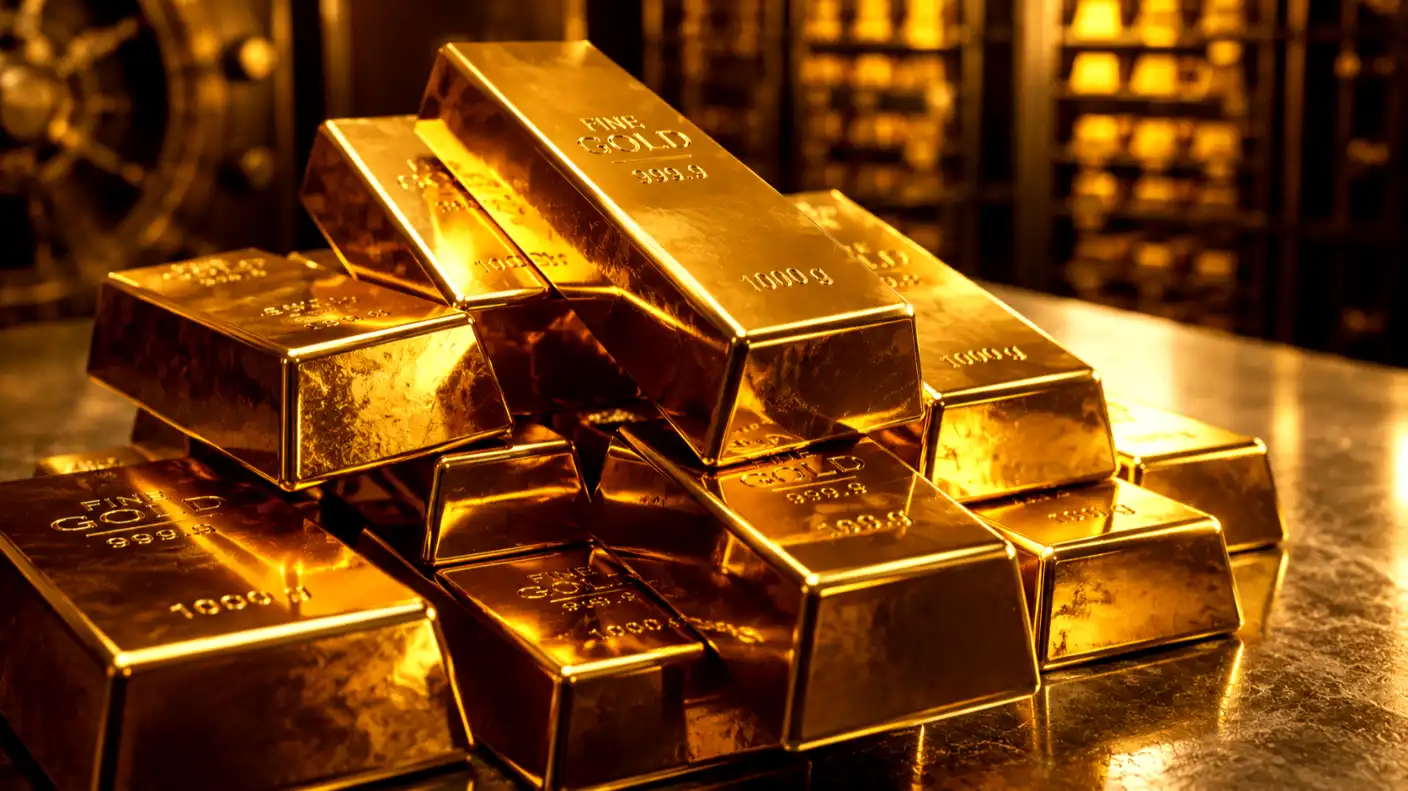
- Uzbekistan has restarted its gold exports after a six-month suspension, shipping approximately $1.5 billion worth of the precious metal through April 2026.
- The vast majority of the $1.5 billion in shipments occurred in April alone, marking an end to consecutive months of zero sales.
- The Central Bank of Uzbekistan halted exports in November 2025 to accumulate gold reserves amid geopolitical tensions in the Middle East.
- As one of the world’s top producers, the Central Asian nation produces roughly 130 tons of gold annually.
Uzbekistan has officially resumed its gold exports, ending a six-month strategic pause on international sales of the precious metal. On Tuesday, May 26, 2026, the country’s State Statistics Committee reported that Uzbekistan exported non-monetary gold valued at approximately $1.5 billion during the first four months of the year. The resumption represents a notable shift in the trade and monetary policies of the Central Asian nation, which ranks among the world’s largest gold producers.
The newly released trade data shows that the vast majority of these $1.5 billion in gold exports occurred during April 2026. From November 2025 through March 2026, external shipments of the safe-haven asset were completely absent from the national trade ledger. By comparison, during the first quarter of 2025, the country exported over $3.57 billion in gold. This temporary six-month freeze had left the country’s high-yield export market unusually quiet, but the massive April shipments confirm that the trade channels have fully reopened.
The Central Bank of Uzbekistan originally implemented the export suspension in November last year to build up its domestic reserves. Faced with escalating geopolitical instability in the Middle East and rising global inflation, central bank policymakers decided to accumulate gold rather than sell it. Gold has historically served as a highly reliable defensive asset during periods of international conflict, and the central bank used the pause to strengthen its balance sheet, emerging as one of the world’s top official-sector buyers in the late months of 2025.
This reserve-building strategy proved highly effective. By holding onto its physical gold while global prices climbed toward historic highs, the central bank significantly grew the value of its international reserves. By early 2026, the country’s total reserves had expanded to a record $75 billion, with gold comprising over 86% of the national portfolio. The state’s financial authorities noted that the halt in sales did not cause any negative economic drag, as high-yield local industries and rising tax revenues continued to support domestic economic growth.
Uzbekistan has a robust domestic mining sector to support its gold-heavy monetary policy. The country produces approximately 130 tons of gold annually, largely driven by the massive operations at the Muruntau open-cast mine, which ranks among the world’s largest gold-producing mines. In 2023, the nation produced 119.6 tonnes of gold, ranking tenth globally. This steady, high-volume production allows the government to easily alternate between building national reserves and exporting treasured bullion to international buyers depending on global market conditions.
The decision to resume exports in April aligns with a subtle cooling of global commodities markets. Recent signs of progress toward a diplomatic ceasefire in the Middle East have caused crude oil prices to decline and global risk appetite to rebound. This easing of geopolitical tensions has stabilized international gold prices, prompting Uzbek trade officials to capitalize on the current market window to monetize their accumulated holdings. These sales will help offset the country’s trade deficit, which has widened over the past year due to a 12.5% increase in heavy industrial imports.
Historically, gold has been the most critical export commodity for Uzbekistan’s trade-dependent economy. In 2025, the country exported a record-breaking $9.9 billion in gold, accounting for approximately 37.1% of its total export revenues. These massive inflows are vital for funding the government’s ambitious “Uzbekistan 2030” development plan, which aims to boost national gross domestic product (GDP) to $240 billion, create 1 million high-income jobs, and attract up to $180 billion in foreign direct investment over the next four years.
As the central bank manages its gold operations through the remainder of 2026, analysts expect the country to maintain a highly flexible approach to its exports. While the resumption of sales provides immediate financial liquidity to the government, the central bank will likely continue to monitor global geopolitical risks and interest rate trends closely. By carefully balancing domestic reserve accumulation with timely international sales, Uzbekistan is demonstrating how resource-rich nations can successfully use precious metals to anchor their economic sovereignty in a highly volatile global market.