Key Points:
- ECB Executive Board member Isabel Schnabel declared that the central bank should raise interest rates in June regardless of any progress in Middle East peace talks.
- Eurozone inflation reached 3% last month, well above the ECB’s 2% target, driven by prolonged energy shocks and supply chain damage.
- Schnabel warned that looking through the inflation spike is no longer an option, as high fuel costs are spilling over into other consumer goods and services.
- Financial markets are currently pricing in three or four interest rate hikes over the next 12 months, potentially lifting key rates to the 3% zone.
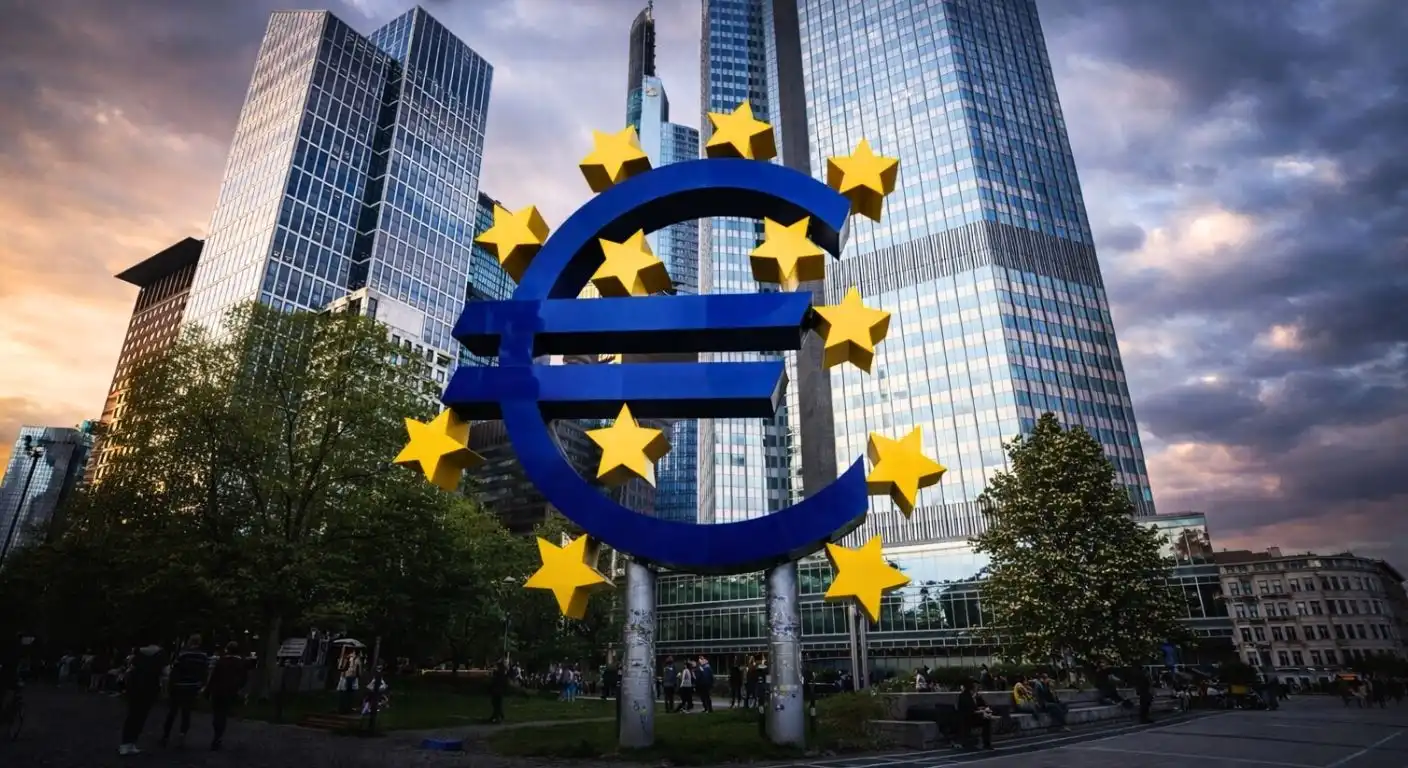
The European Central Bank (ECB) must raise interest rates at its upcoming meeting, even if the United States and Iran successfully sign a permanent peace treaty to end their military conflict. In an exclusive interview with Reuters on Tuesday, May 26, 2026, ECB Executive Board member Isabel Schnabel delivered a highly hawkish message to financial markets. She argued that the Middle East conflict has lasted far longer than economists originally projected, inflicting permanent, structural damage on global energy infrastructure and creating deep bottlenecks across international supply chains.
The potential rate hike would mark a significant shift for the central bank, which has kept its benchmark deposit rate on hold for the past year to support a fragile economic recovery. The central bank scheduled its next policy decision for June 11, 2026, leaving policymakers with less than three weeks to coordinate their strategy. While some of the more cautious rate-setters have advocated for a wait-and-see approach, Schnabel’s comments suggest that the central bank is rapidly approaching a point of no return. As a widely discussed potential successor to ECB President Christine Lagarde, whose term ends next year in 2027, Schnabel’s remarks carry immense weight across European financial circles.
The primary driver behind this hawkish push is the persistent, cumulative impact of high fuel and electricity prices. The shutdown of the Strait of Hormuz—the vital shipping lane through which roughly 20% of the world’s daily oil supply flows—sent global energy costs to record highs. This prolonged energy shock has directly impacted consumer prices across the Eurozone, pushing the annual inflation rate up to 3% last month. This reading sits well above the central bank’s medium-term price stability target of 2%, sparking fears of long-term economic instability.
Schnabel warned that looking through this inflation spike is no longer a viable option for central bankers. She pointed out that high energy prices are actively spilling into other parts of the consumption basket, such as food, transport logistics, and retail services. This broadening of price pressures, known as second-round effects, threatens to set off a hard-to-defeat wage-price spiral as workers demand higher pay to preserve their purchasing power. To prevent these inflation expectations from becoming permanently entrenched, the ECB must act decisively.
Even if the U.S. and Iran successfully finalize their heavily discussed ceasefire agreement today, Schnabel believes the damage is already done. She explained that the physical destruction of energy installations and the prolonged disruption of maritime shipping routes will take several months to resolve fully. Consequently, global energy supply chains will remain highly constrained, meaning fuel prices will likely stay elevated. This persistence has pushed the economy beyond the ECB’s previous “adverse scenario” models, which had assumed a rapid normalization of oil and gas prices.
Faced with these compounding inflation risks, financial markets are rapidly adjusting their expectations. Investors are currently pricing in three or four ECB interest rate hikes over the next 12 months. This aggressive tightening path could lift the key deposit rate to a range of 2.75% to 3.0% from its current level. This potential policy shift has already sent tremors through the European bond market, driving up government borrowing costs as investors demand higher yields on sovereign debt.
However, raising interest rates during an energy crisis introduces severe risks for the Eurozone economy. Because Europe is a net energy importer, the high cost of fuel acts as a direct tax on local businesses and households, weakening consumer demand. Schnabel acknowledged this difficult economic trade-off, admitting that the current energy shock poses a dual challenge of upside risks to inflation and downside risks to economic growth. Nevertheless, she maintained that the central bank cannot afford to take a passive approach, as allowing inflation to run unchecked would cause far more severe, long-term economic damage.
As the June 11 policy meeting approaches, the debate within the ECB’s Governing Council will likely intensify. While some dovish policymakers worry that high borrowing costs will push the fragile Eurozone economy into a deeper recession, the central bank’s primary mandate remains price stability. By clearly stating that a rate hike in June is necessary regardless of geopolitical breakthroughs, Schnabel has set a highly hawkish tone, signaling to global markets that Europe is prepared to take decisive action to defend the purchasing power of its citizens.