It is a smart world, and patience simply does not exist anymore. We send text messages instantly. We stream movies instantly. Naturally, we expect our money to move just as fast. We officially live in an instant transaction culture. The old days of waiting three business days for a bank check to clear feel like a bad joke from a dusty history book. Digital payments completely rewired how we buy, sell, and survive in Bangladesh. We successfully removed the heavy, slow friction of physical cash. Now, our entire economy runs on the flawless, lightning-fast speed of the smartphone network. Money no longer sits in a vault; it flies through the air.
The End of the Exact Change Argument
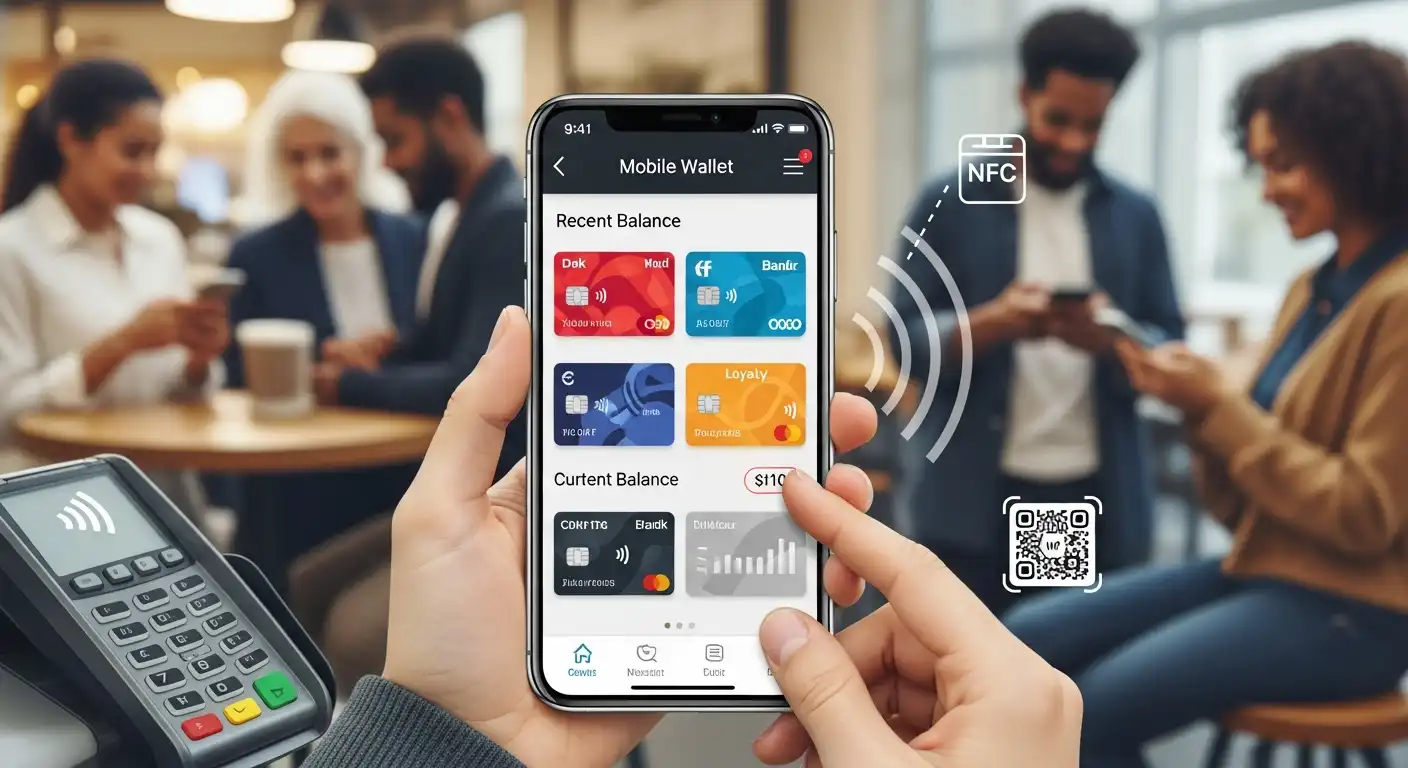
Think about a busy morning on the streets of Dhaka. A few years ago, you argued fiercely with a rickshaw puller because neither of you had exact change for a fifty-taka fare. You wasted ten minutes searching your pockets for smaller bills while traffic honked behind you. Today, that frustrating argument never happens. The rickshaw puller simply holds up a laminated QR code. You scan it with your phone, type the number, and the money transfers instantly. He hears a loud beep from his cheap speaker confirming the payment. This exact same scene plays out at tiny tea stalls, busy fish markets, and roadside fuchka carts. Digital payments keep the entire city moving smoothly. They kill the daily annoyance of torn notes and missing coins.
Empowering the Freelance and Gig Economy
This instant speed changes everything for our massive young workforce. Bangladesh holds one of the largest freelance communities in the entire world. In the past, a graphic designer in Sylhet finished a project for a client in London and waited two full weeks to actually see the money. High international bank fees and confusing exchange rates ate away their hard-earned profit. Today, interconnected global digital payment networks bypass the old, slow banks entirely. The London client clicks a button, and the taka hits the designer’s mobile wallet three seconds later. That young designer can literally buy their dinner using the money they earned just five minutes ago. We finally gave our gig workers the financial respect and speed they deserve.
The Death of the Traditional Bank Branch
We also successfully killed the terrible chore of visiting a physical bank. Nobody wants to stand in a sweaty, angry line at Motijheel just to pay a monthly utility bill or send money to their parents in the village. Mobile financial services swallowed the traditional bank branch whole. You now hold a massive financial institution right in the palm of your hand. If a small business owner needs a quick loan to buy more inventory, they do not fill out endless paper forms. The digital payment app analyzes its daily sales history and approves a micro-loan in exactly two minutes. We pushed high-level banking power out of the fancy glass buildings and down to the street level.
The Hidden Danger of Spending Too Fast
However, we must talk honestly about the hidden trap inside this instant culture. When you hand a crisp one-thousand-taka note to a human cashier, your brain actually feels a sharp sense of loss. You see the physical money leave your hand forever. Digital payments erase that natural psychological brake. You tap a glowing screen, and the transaction finishes before you even think about the total cost. This incredible speed actively tricks our brains. It encourages impulsive, reckless buying. Many young professionals now fall into terrible debt because they click “buy now” on food delivery apps and online clothing stores without tracking their daily spending. We built a system that makes losing money far too easy.
Conclusion
We will never return to the slow, heavy burden of physical cash. The instant transaction culture gives us incredible daily freedom. It empowers the street vendor, the global freelancer, and the rural farmer equally. Money now moves at the exact speed of human thought. But we must learn how to handle this raw financial speed. We have to teach ourselves strict new financial discipline. We must actively track our digital wallets and force ourselves to pause for one full second before we click that final payment button. If we master our own fast impulses, this digital payment revolution will build a much wealthier, fairer economy for everyone.