Key Points:
- A San Francisco jury found Elon Musk liable for misleading Twitter investors with 2 tweets before he bought the company.
- The jury awarded damages between $3 and $8 per stock per day, totaling an estimated $2.1 billion.
- The jury cleared Musk of intentionally scheming to defraud investors and dismissed claims related to a podcast comment.
- The lawsuit focused on Musk’s actions in 2022, particularly his tweet claiming the $44 billion Twitter deal was “temporarily on hold.”
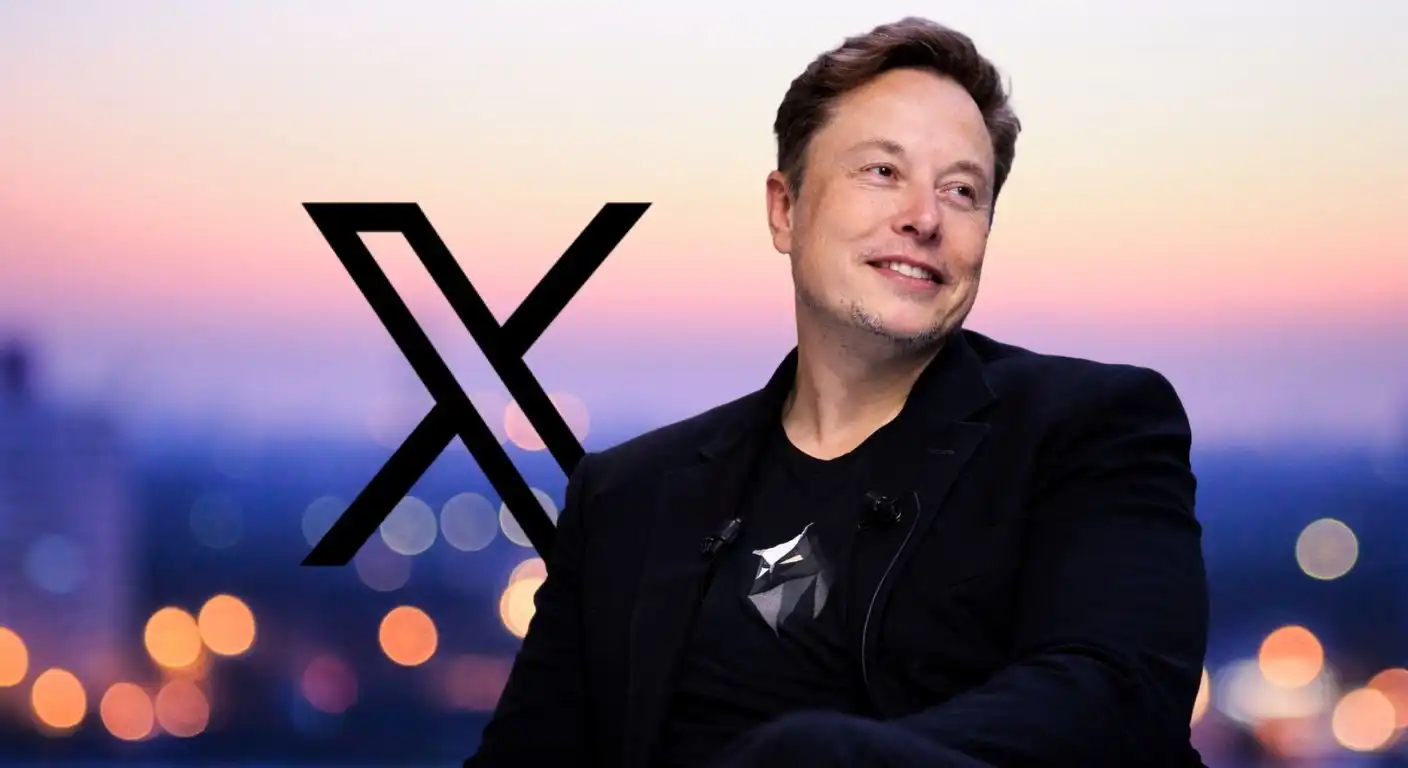
A federal jury in San Francisco has found Elon Musk liable for misleading investors leading up to his $44 billion purchase of Twitter in 2022. After a nearly 3-week civil trial and almost 4 days of deliberation, the 9-person jury determined that Musk’s public statements on social media deliberately drove down the social media company’s stock price, causing financial harm to shareholders who sold their stock during the turmoil.
While the jury found Musk liable for 2 specific tweets, including his infamous May 13, 2022, post declaring the Twitter deal was “temporarily on hold,” they cleared him of more severe fraud allegations. The jury decided that Musk did not intentionally “scheme” to defraud investors and that a comment he made on a podcast was an opinion, not a misleading statement.
The financial penalty for Musk is significant. The jury awarded the affected shareholders damages ranging from about $3 to $8 per stock per day. Lawyers representing the plaintiffs estimate the total payout will reach approximately $2.1 billion. This sum, while substantial, represents only a fraction of Musk’s estimated $814 billion fortune, which remains largely tied to his holdings in Tesla.
“It’s an important victory, not just for investors of Twitter, but for the public markets,” said Joseph Cotchett, an attorney for the plaintiffs. “I think the jury’s verdict sends a strong message that just because you’re a rich and powerful person, you still have to obey the law, and no man is above the law.” Musk’s legal team declined to comment as they exited the courtroom.
The trial focused heavily on Musk’s public complaints about the number of fake and spam accounts, or “bots,” on Twitter. During his testimony, which spanned more than a day, Musk maintained that Twitter’s leadership lied about the prevalence of bots, hiding the true numbers from him. He argued that the company’s regulatory filings, which claimed that bots accounted for only 5% of accounts, were false. “I did make it clear that I thought it was BS,” Musk said on the stand.
The timeline of events in 2022 was crucial to the case. After Musk initially agreed to buy Twitter, the technology market experienced a downturn, and Tesla’s stock price dropped. The plaintiffs argued that as the $44 billion price tag became increasingly expensive for Musk, he strategically used his massive social media platform to tank Twitter’s stock. They claimed his goal was either to renegotiate the deal for a lower price or to find an excuse to walk away completely.
During the period when the deal was in jeopardy, Twitter’s stock price plummeted below $33 a share. This represented a drop of roughly 40% from Musk’s original purchase offer. Investors who panicked and sold their shares during this window suffered significant financial losses. Twitter ultimately sued Musk in Delaware to force him to honor the original contract. Just before that trial began, Musk reversed course and completed the purchase at the agreed-upon price.
In court, Musk defended his actions by pointing out the outcome. “I can’t control whether people sell their stock, but everyone who held the stock fared extremely well,” he testified. However, the plaintiffs’ lawyer, Mark Molumphy, argued during closing statements that Musk’s tweets were not innocent mistakes but carefully calculated market manipulation. “He knew what he was doing,” Molumphy told the jury.
Throughout the trial, Musk’s lawyers repeatedly requested a mistrial. They argued that the billionaire CEO could not receive a fair hearing in San Francisco due to strong public animosity toward him there. The judge denied these requests.
This verdict is different from Musk’s previous high-profile social media trial. 3 years ago, a different San Francisco jury absolved Musk of wrongdoing after he tweeted in 2018 that he had “funding secured” to take Tesla private at $420 per share—a deal that never materialized. This time, however, the jury decided his online behavior crossed the line into illegal market manipulation.