Key Points:
- Bank of America expressed growing optimism about Visa following a series of high-profile investor meetings in the United Kingdom.
- Visa’s Chief Financial Officer, Chris Suh, highlighted stable payment volumes and resilient global consumer spending.
- The payments giant continues to scale its advanced services, including a stablecoin settlement pilot with a $7 billion quarterly run rate.
- Analysts reiterate a “Buy” rating on the stock, viewing regulatory challenges and temporary market drops as an attractive entry point.
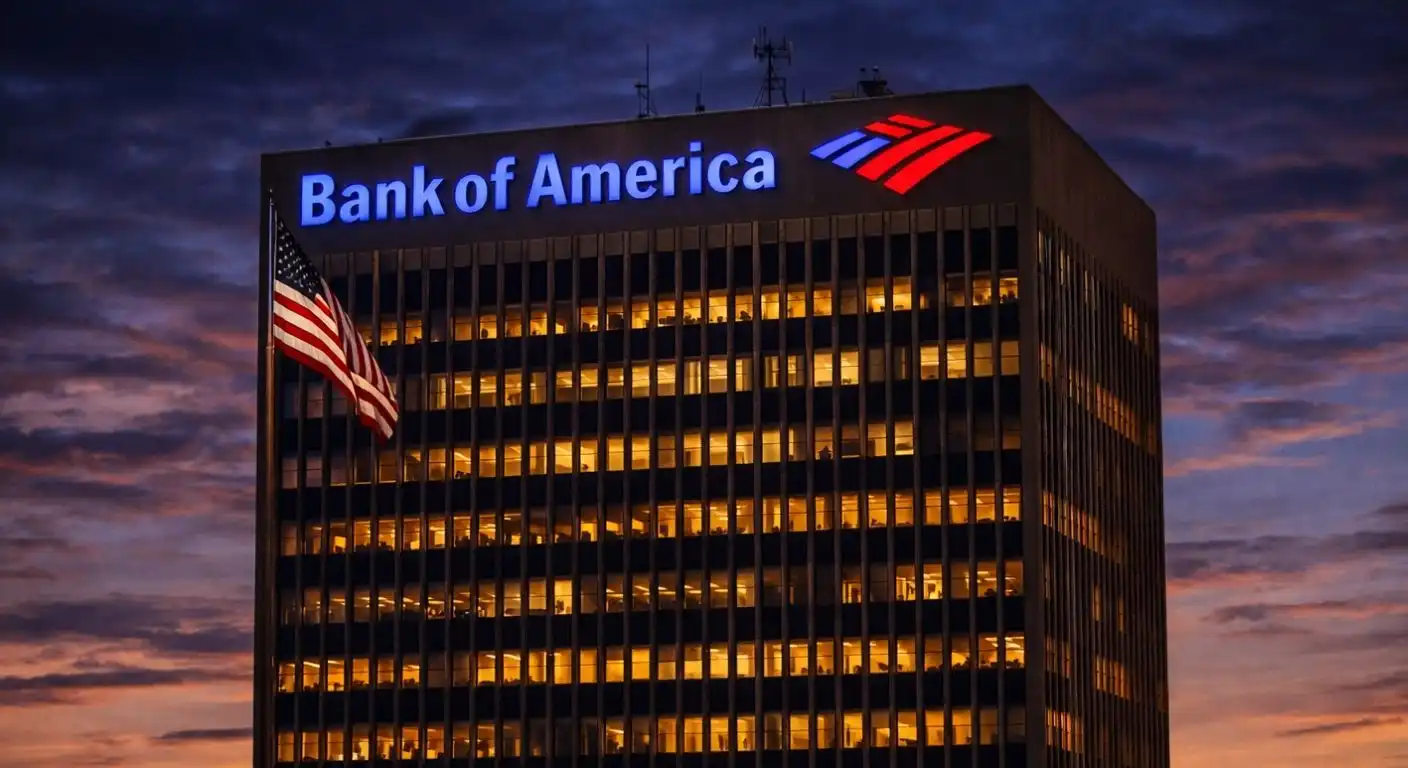
Bank of America Securities has turned increasingly optimistic about the future of payments giant Visa Inc. The investment bank issued a highly positive update on the company following a series of strategic investor meetings in the United Kingdom. These meetings featured Visa’s Chief Financial Officer, Chris Suh, who met with major European asset managers to discuss the long-term outlook for global transaction volumes and digital payment technology.
Following these discussions, Bank of America reiterated its high-conviction “Buy” rating on the stock. Analysts noted that the conversations with Suh provided deep clarity on Visa’s core operational strengths and its ability to navigate a complex macroeconomic environment. The banking giant currently trades around $326 per share, but Bank of America maintains an aggressive price target of $382, implying a massive 17% upside potential for investors.
During the meetings, Suh highlighted the surprising resilience of the global consumer. Despite ongoing inflationary pressures and global supply chain disruptions linked to the war in the Middle East, Visa continues to process stable transaction volumes. In its most recent quarterly financial report, Visa recorded a massive 15% year-over-year increase in net revenue to reach $10.9 billion, easily beating Wall Street estimates.
This revenue growth stems from steady increases in digital transaction volume across international markets. While domestic U.S. spending showed stable single-digit growth, cross-border travel and international e-commerce pushed foreign exchange yields significantly higher. Investors initially worried that high gasoline prices and geopolitical tensions would cause consumers to curb spending, but the latest data show that households are continuing to swipe their cards.
Beyond its traditional card networks, Visa is rapidly expanding its high-margin “Value-Added Services” portfolio. One of the most exciting growth drivers is the company’s aggressive push into digital assets. Visa recently expanded its stablecoin-linked card program, adding five new blockchains to its settlement pilot in partnership with the Bridge platform. This advanced digital currency pilot recorded a massive 50% quarter-over-quarter growth rate, reaching an annualized transaction volume of $7 billion.
The company also launched its global “Agentic Ready” program in the Asia Pacific and Latin American regions. This program prepares the broader payment ecosystem for a new era of automated, AI-driven machine-to-machine transactions. Bank of America analysts believe these technological innovations will easily offset any potential threat posed by alternative payment methods, positioning Visa to capture a significant share of the emerging digital economy.
The investment firm also addressed investor concerns regarding recent regulatory and litigation challenges. In particular, a UK Competition Appeal Tribunal recently ruled that certain interchange fees infringed on local competition laws. Additionally, United States lawmakers continue to debate proposed credit card competition rules that would require multiple transaction networks. Bank of America analyzed these hurdles and concluded that the litigation risks are completely manageable for a company with Visa’s massive scale and legal resources.
In fact, Bank of America views the recent weakness in Visa’s stock price as a compelling buying opportunity rather than a warning sign. The stock recently underperformed due to overblown fears of disruption from artificial intelligence and a broader market rotation into riskier technology stocks. Analysts noted that Visa’s current valuation has dropped to a near 10-year trough, trading at a steep discount to its historical five-year multiples.
The central bank’s ongoing fight against inflation also plays a minor role in the sector’s performance. As the Federal Reserve contemplates keeping interest rates high to cool down the economy, financial stocks typically benefit from stable interest margins. With cash-carrying transactions continuing to migrate toward digital payments, card networks like Visa and Mastercard act as safe-haven assets that are mostly insulated from direct economic shocks.
This positive outlook has prompted a wave of earnings upgrades across Wall Street. Over the past month, more than 22 analysts have officially revised their future earnings estimates upward for Visa. The payment giant continues to generate incredible free cash flow, allowing it to return billions of dollars to its shareholders through dividends and an active stock buyback program.
Ultimately, the meetings in the United Kingdom solidified Bank of America’s view that Visa remains one of the highest-quality businesses in the world. As the global economy continues to shift away from physical cash, the company’s unbreakable payment network will likely continue to generate double-digit earnings growth. For investors looking to avoid the extreme volatility of the current market, this payments giant offers exceptionally attractive return potential.