Key Points:
- Australia and Japan agreed to spend A$1.67 billion to fund new critical mineral mining projects.
- The Australian government will provide up to A$1.3 billion to help local miners extract rare materials.
- Five major mining sites across Australia will receive government money to speed up their operations.
- The partnership helps both countries secure the raw materials they need to build electric vehicles and semiconductors.
Australia and Japan struck a massive new mining agreement this week during a formal state visit. The Japanese Prime Minister met with Australian leaders to discuss the global shortage of raw materials. Together, the two nations agreed to spend A$1.67 billion, or roughly $1.20 billion in United States dollars, to boost the critical minerals sector. They want to ensure they have enough rare metals to build the next generation of modern technology.
The two governments released a joint statement outlining exactly how they will spend the money. They plan to focus directly on strategic mining, refining, and manufacturing projects. Their main goal is to fix weak links in the global supply chain. By funding these new operations, they guarantee that Japanese tech factories will receive a steady stream of Australian resources.
The financial breakdown shows a massive commitment from both sides. The Australian government plans to hand out up to A$1.3 billion to local mining companies. Meanwhile, the Japanese government has already invested roughly A$370 million through direct grants and corporate partnerships. Japan also promised to send even more money over the next few years as these major mining projects get off the ground.
This new deal builds on a long history of success between the two countries. Japanese firms like Sojitz and the Japan Organization for Metals and Energy Security have spent years backing Australian mining ventures. Most notably, they funded Lynas Corp and helped turn the business into a global powerhouse. Thanks to Japanese funding, Lynas now operates as the largest producer of rare earth elements outside China. Both governments hope the new $1.20 billion fund will recreate that same success.
Government officials have already selected several major mining projects that will likely receive the new cash. The first major project involves the global aluminum giant Alcoa. Alcoa currently runs a massive alumina refinery in Western Australia. Now, the company works directly with Sojitz and the Japanese government to extract valuable gallium from the refining process. Technology companies desperately need this recovered gallium to manufacture computer chips, bright LEDs, and modern solar panels.
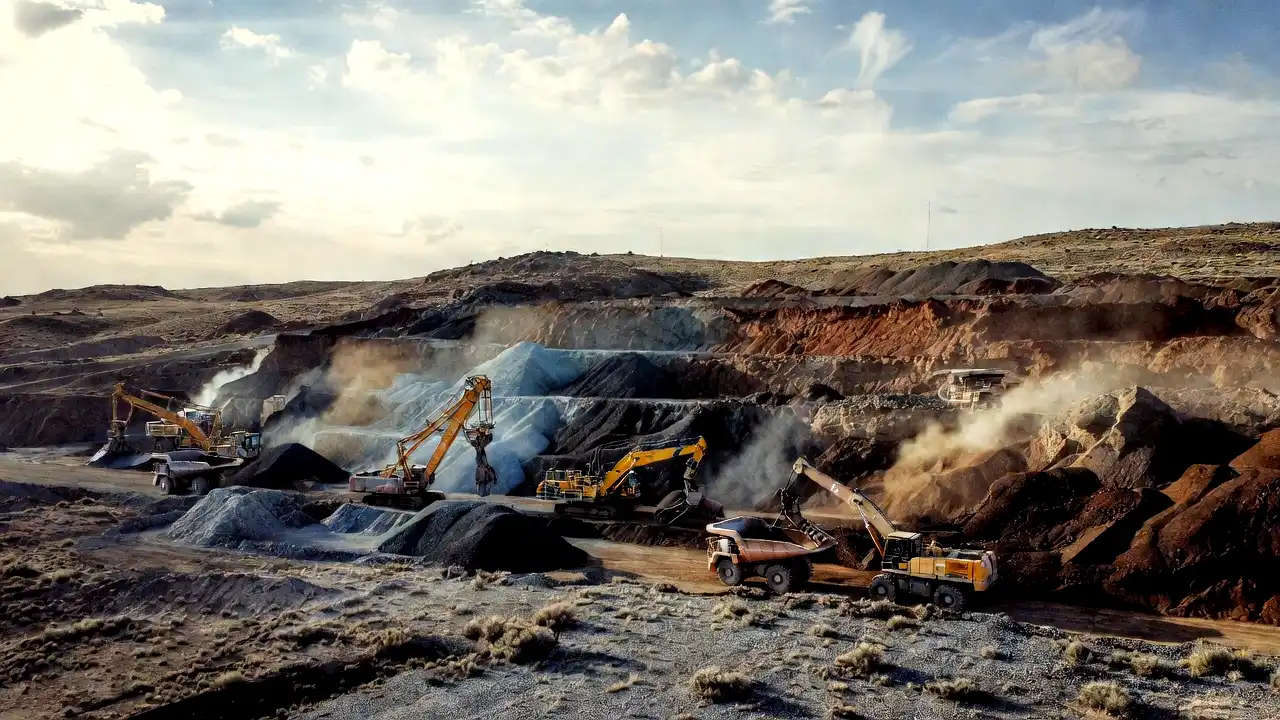
Another massive project sits in the harsh outback of Western Australia. Magnium Australia wants to use the new government money to build a huge new production facility. The company plans to produce extremely high-purity magnesium. Car manufacturers and aerospace engineers buy massive amounts of this lightweight metal to build modern vehicles and commercial airplanes.
A third Western Australian site also made the government funding list. Tivan runs the Speewah Fluorite project in the remote northern region of the state. The mining company plans to extract thousands of tons of acid-grade fluorite from the dirt. Chemical companies purchase this raw material and turn it into hydrofluoric acid. Tech giants require millions of gallons of this specific acid to manufacture electric vehicle batteries and advanced computer chips.
The new mining alliance also extends to the eastern side of the country. In New South Wales, the Copi Critical Minerals Project wants to extract valuable mineral sands from the earth. The mining firm RZ Resources owns this specific project. They work closely with two giant Japanese partners, JX Advanced Metals and Marubeni. Together, these three companies will dig up rare earth elements that power everyday consumer electronics.
Finally, a massive nickel deposit rounds out the list of potential funding targets. Ardea Resources operates the Kalgoorlie Nickel project at the Goongarrie site in Western Australia. Geologists consider this location one of the largest sources of nickel and cobalt in Australia. Ardea develops the massive dig site as a joint venture with Japanese industry giants Sumitomo Metal Mining and Mitsubishi.
Battery manufacturers need huge amounts of nickel and cobalt to build power cells for electric cars. By locking in a direct supply from the Kalgoorlie mine, Japanese automakers ensure they can keep building cars for the next 20 years. The joint venture guarantees that the raw materials travel straight from the Australian dirt to the Japanese factory floors.
Australian leaders view this financial partnership as a massive win for the local economy. When these five large mines reach full production, they will create thousands of high-paying jobs in rural towns. The new funding ensures that these heavy industrial projects proceed without financial delays.
Both governments consider this alliance an essential step for long-term national security. By securing their own supply of battery metals and rare earth elements, they reduce their reliance on unpredictable global markets. The leaders of both nations expect this multibillion-dollar partnership to grow even stronger over the next decade.