Key Points:
- BOJ Deputy Governor Ryozo Himino confirmed the central bank’s commitment to continue raising its policy interest rate.
- Himino flagged that the precise timing and pace of future rate hikes will depend on geopolitical risks in the Middle East.
- Traders see a strong probability of a rate increase of at least 25 basis points at the upcoming June 16, 2026, meeting.
- Rising global inflation worries have pushed Japan’s benchmark 10-year government bond yield to multi-decade highs.
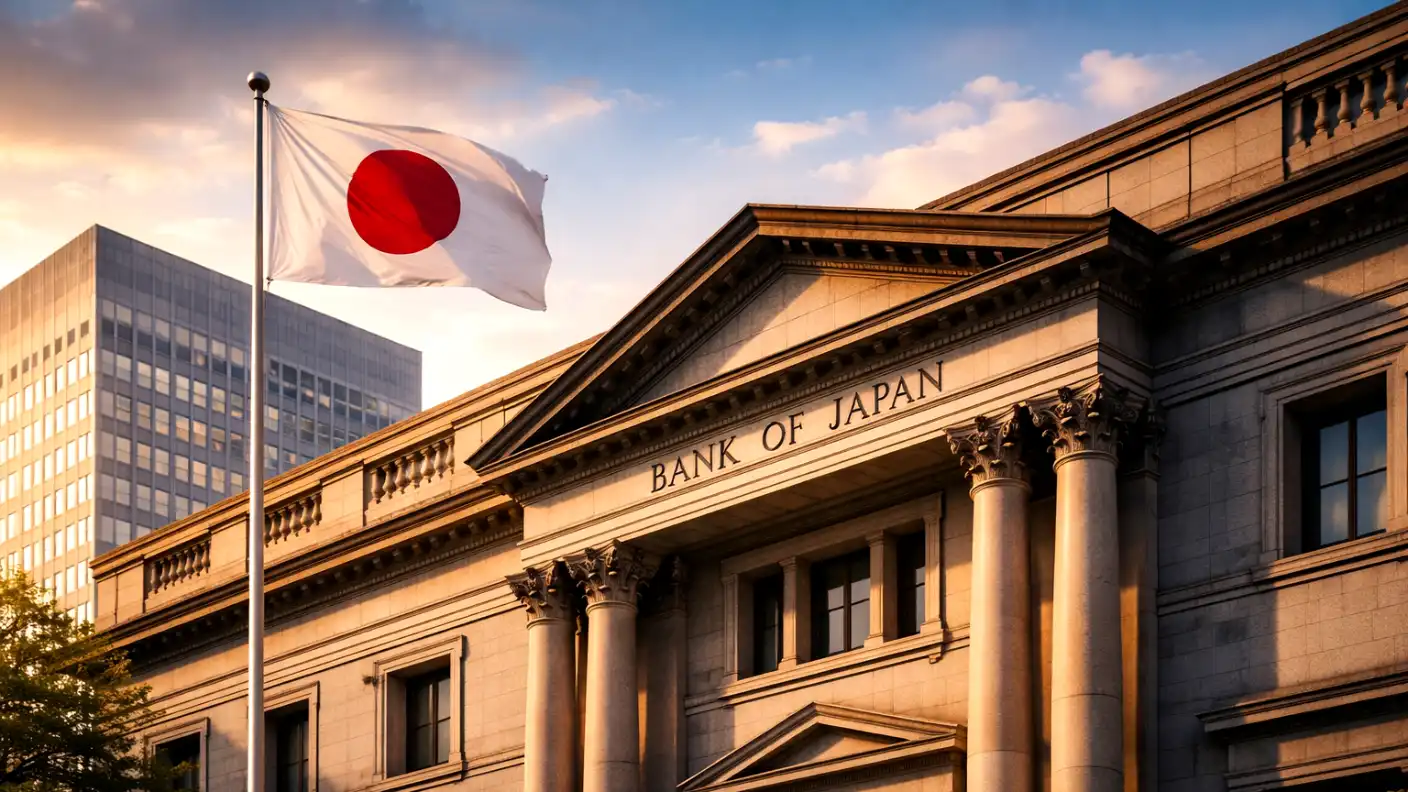
Bank of Japan (BOJ) Deputy Governor Ryozo Himino confirmed to parliament on Tuesday, May 26, 2026, that the central bank intends to continue raising its policy interest rate. However, Himino flagged that the precise timing and pace of these rate hikes will depend heavily on how ongoing geopolitical developments in the Middle East impact Japan’s economic recovery and domestic prices. The central bank plans to carefully analyze the incoming data to ensure that any adjustments to its monetary accommodation align with economic activity.
The hawkish yet cautious remarks came as the Japanese yen continued its volatile trading, with the USD/JPY pair hovering near the highly sensitive 159 level. Currency traders are closely watching Tokyo’s monetary policy trajectory, with a growing probability of a rate hike of at least 25 basis points at the central bank’s upcoming meeting on June 16, 2026. This growing conviction among investors has placed fresh upward pressure on domestic borrowing costs over the past few weeks.
While Himino made it clear that the overall direction of interest rates is up, he emphasized that developments in the Middle East currently hold a functional veto over the central bank’s timing. Because Japan imports more than 80% of its crude oil from the Middle East, the ongoing blockade of the Strait of Hormuz has sent producer inflation surging in March and April. The BOJ must carefully analyze how these supply-side shocks affect the likelihood of realizing its baseline economic scenario before committing to further tightening.
To justify the rate hikes, Himino pointed out that Japan’s inflation-adjusted real interest rates remain exceptionally low. He explained that adjusting the pace of monetary easing is vital to maintaining public and market confidence that the central bank can effectively control inflation. The BOJ aims to conduct monetary policy appropriately to achieve its 2.0% inflation target stably and sustainably, even as external energy shocks threaten to distort the domestic price environment.
The BOJ’s hawkish stance arrives as long-term borrowing costs in Japan climb to multi-decade highs. The benchmark 10-year Japanese government bond yield touched some of its highest levels in decades last week, reflecting growing global anxieties over persistent inflation. Himino noted that the central bank will carefully assess bond market conditions and overall market functioning as it reviews its plans to taper its massive government bond-purchasing program, and it promised to listen closely to market participants.
The central bank’s cautious path aligns with a broader government effort to shield households from rising import costs. Also speaking to parliament, Finance Minister Katayama pledged that the government would closely monitor developments in the Middle East and respond in a timely, decisive manner to cushion families against energy-driven price hikes. This coordinated stance reflects growing political awareness that energy-driven inflation has become a major cost-of-living crisis requiring an active fiscal response, not just a central bank problem.
Separately, Deputy Chief Cabinet Secretary Ozaki addressed growing speculation regarding a potential revision to Japan’s consumption tax. Ozaki stated that the government is aware of the media reports but clarified that ministers have not yet made any official decisions on the tax rate. This tax discussion underscores the delicate fiscal balancing act Japan faces as it transitions away from decades of deflation and massive monetary stimulus while managing a massive national debt load.
As the June 16 policy meeting approaches, the Bank of Japan faces a highly complex trade-off between curbing imported inflation and protecting a fragile domestic recovery. While strong corporate wage growth and rising producer prices justify a rate hike, the highly volatile situation in the Middle East could easily derail consumer spending. Navigating these external shocks will test the resolve of Governor Kazuo Ueda’s board as they attempt to normalize Japan’s monetary policy without triggering an economic slowdown.