Key Points:
- SE Cosmos LLC sold $999 million in junk bonds with a 9% yield to fund a new artificial intelligence data center.
- A SoftBank Group subsidiary signed a 15-year lease for the 50-megawatt facility in Austin, Texas.
- Artificial intelligence firms raised $28 billion through risky bonds this year to pay for expensive new technology infrastructure.
- Investors show early signs of fatigue after absorbing a massive $300 billion debt spending spree across the tech sector.
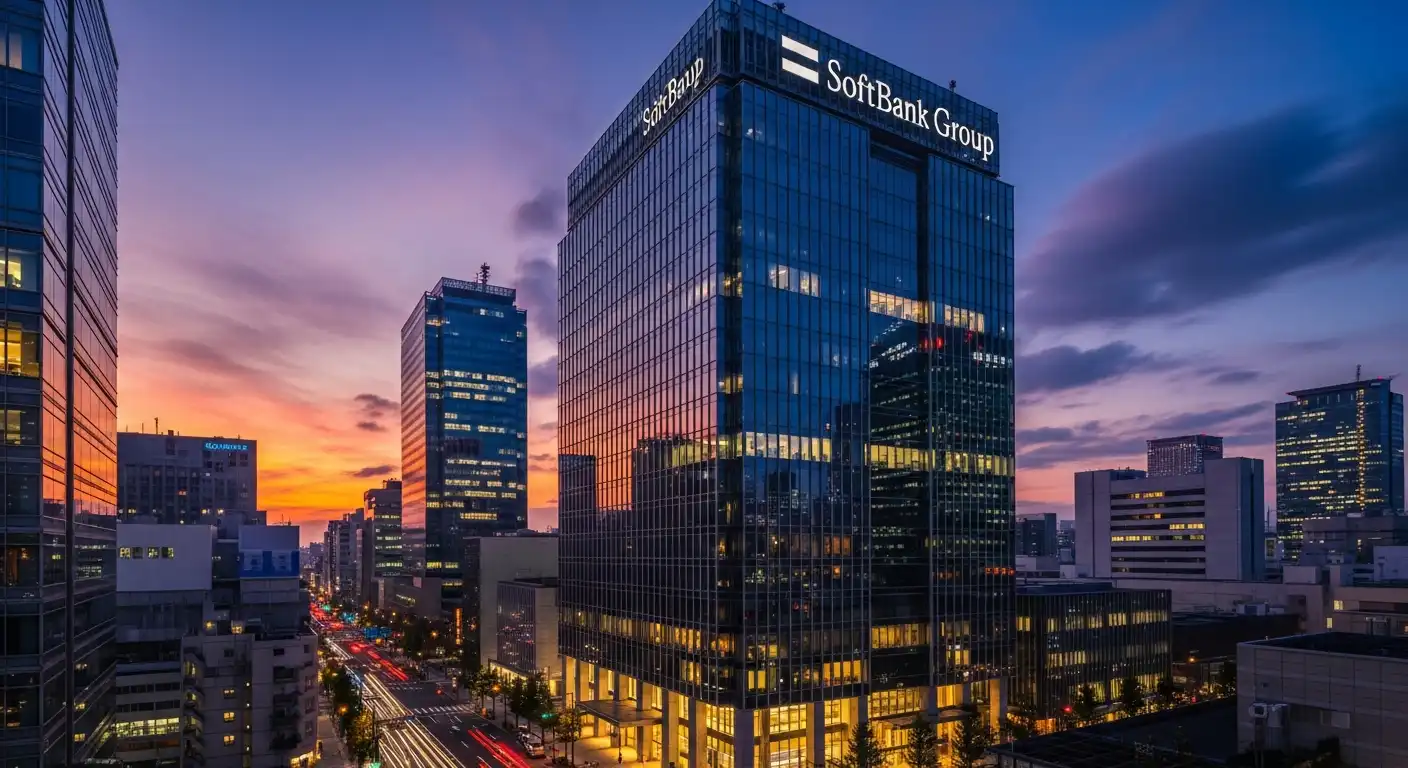
A data center developer recently raised a massive amount of money to build a new facility for artificial intelligence. SE Cosmos LLC sold $999 million in junk bonds to fund a specific construction project in Austin, Texas. A subsidiary of SoftBank Group agreed to lease the entire site once builders finish the work. This major financial deal concludes a very busy April for debt issuance in the technology sector, as companies scramble to secure sufficient cash to support their ambitious plans.
The developer priced the 5-year notes at a 9% yield. An insider familiar with the matter shared this financial information privately because they lack the proper authorization to speak to the press. This 9% rate marks the highest borrowing cost for any data center junk bond deal so far this year. Earlier in the month, financial experts discussed pricing the deal in the low- to mid-8 % range, indicating that borrowing money quickly became much more expensive for the builder.
Big Wall Street banks helped organize the massive transaction to ensure it went smoothly. Morgan Stanley served as one of the lead banks running the deal. A representative for Morgan Stanley refused to comment on the final sale to the media. Nomura Holdings also worked on the complex transaction, but their representatives ignored multiple requests for comment. SoftBank also stayed completely quiet about its specific involvement in the lease.
The borrowed money will fund the construction of a brand-new 50-megawatt data center. SoftBank signed a massive 15-year contract to use the Austin facility to run its artificial intelligence operations. To attract buyers for these risky junk bonds, the developer included special financial sweeteners in the deal. For example, a lease rent backstop date guarantees that cash flow will begin arriving in December. This safety net pays investors even if construction delays push back the building’s actual opening day.
This single transaction highlights a much larger financial trend happening across the global economy. Companies connected to the artificial intelligence boom have already raised a total of $28 billion through riskier bonds this year. A large chunk of that money arrived just this past month. Many small developers secure lease contracts with large technology companies. They then use those signed promises to borrow the funds actually to build the physical servers and cooling systems.
People who buy these bonds are starting to feel tired and are requesting cash. The credit market recently absorbed a staggering $300 billion debt binge tied to artificial intelligence projects. Investors bought debt from every single corner of the technology sector to fund new ideas. This financial fatigue remains evident, even after a record-breaking $5.7 billion deal that successfully funded new data centers linked to Alphabet earlier this month.
Other recent deals show that borrowing costs continue to climb for technology companies. Just this Tuesday, a massive data center project in Nevada sold a $4.59 billion note. This specifically facilitates direct ties to Nvidia, the company that builds the most popular artificial intelligence chips. However, the Nevada developers had to offer a much higher yield to attract buyers compared to a very similar offering they sold back in February.
Meta Platforms joined the rush into heavy borrowing on Thursday afternoon. The social media giant priced $25 billion of its own corporate bonds. These notes carried much larger spreads than a similar deal the company executed last October. Meta had to borrow more money after the company told its shareholders it plans to significantly increase its capital spending budget for 2026. Building artificial intelligence simply costs more money than most companies originally planned.
Wall Street wants to see if this mountain of corporate debt actually turns into real profit. The four largest data farm spenders released their quarterly earnings reports on Wednesday. The numbers showed a clear split in the tech industry. Alphabet has proved that its heavy investment in artificial intelligence delivers a clear financial payoff today. Meanwhile, Meta still lags, leaving some investors worried that the massive infrastructure spending spree might not work out for every single company in the race.