
Key Points:
- Chinese AI startup DeepSeek is set to raise approximately 50 billion yuan ($7.4 billion) in its first-ever external funding round.
- The blockbuster deal could value the company at between $52 billion and $59 billion, cementing its place as China’s premier AI champion.
- DeepSeek’s billionaire founder, Liang Wenfeng, will personally contribute 20 billion yuan, representing 40% of the entire funding round.
- Internet giant Tencent and battery manufacturer CATL are leading external backers, with investments of 10 billion and 5 billion yuan, respectively.
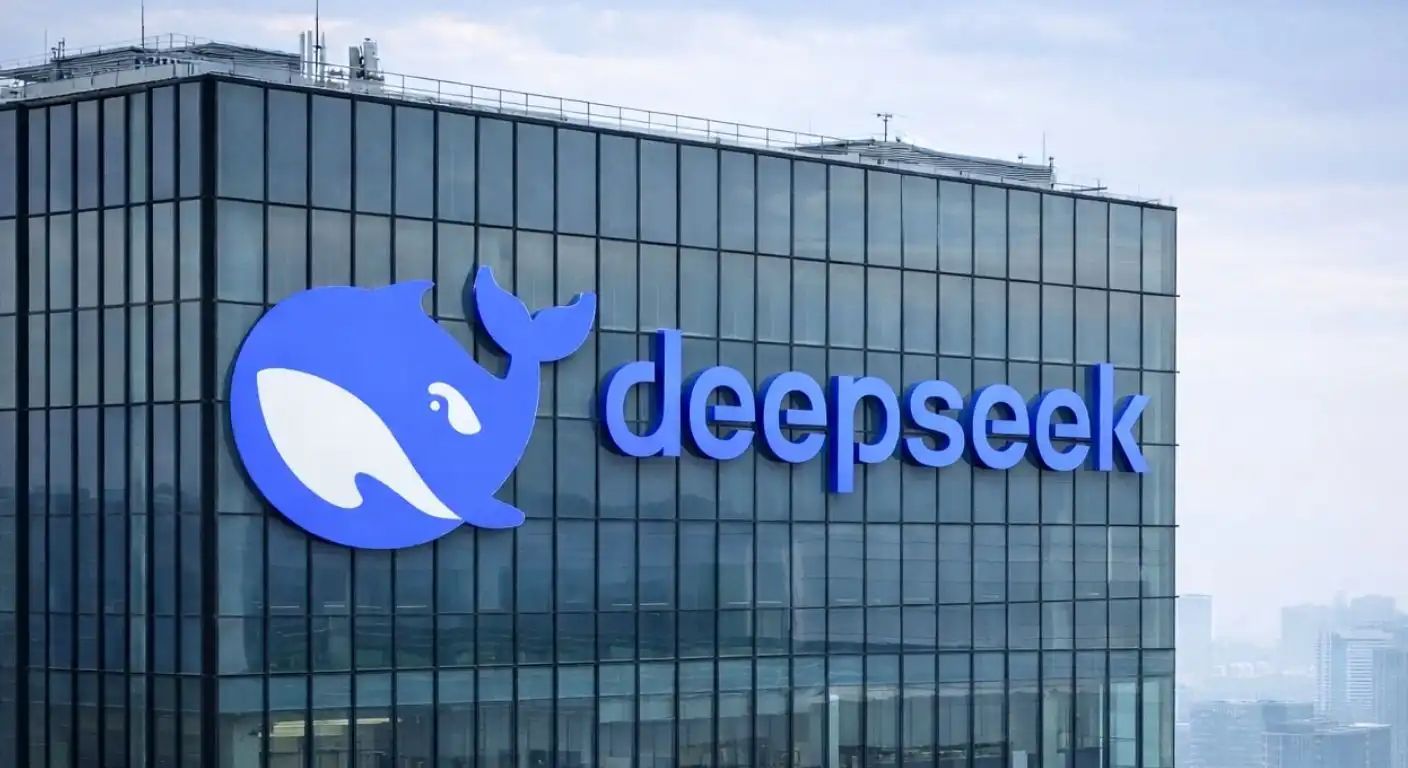
In a historic milestone for the global artificial intelligence sector, China’s most closely watched AI developer has officially opened its doors to outside investors. According to a Reuters report published on Wednesday, June 3, 2026, Beijing-based AI startup DeepSeek is preparing to raise approximately 50 billion yuan, which equals roughly $7.4 billion, in its first-ever external funding round. The blockbuster capital injection will value the company at between 350 billion yuan and 400 billion yuan, equivalent to about $52 billion to $59 billion. This massive transaction stands as the largest single financing round for a technology startup in Chinese history, underscoring the strategic urgency of the global AI arms race.
This capital raise represents a massive, highly strategic pivot for a company that has historically taken pride in its absolute independence. Founded just three years ago by billionaire quantitative investor Liang Wenfeng, DeepSeek operated for years as a self-funded research laboratory, financed entirely through Liang’s quantitative hedge fund, High-Flyer. By deliberately declining multiple lucrative funding offers from China’s top venture capital firms, the startup maintained full research independence. However, as the global competition for computing power and elite AI talent intensifies, DeepSeek’s leadership has concluded that its self-funded model is no longer sufficient to build out the high-powered infrastructure required to achieve artificial general intelligence (AGI).
To maintain a high level of personal control over the company’s future direction, founder Liang Wenfeng is leading the funding round with an extraordinary personal commitment. Liang has pledged to contribute 20 billion yuan of his own money to the round, representing a massive 40% of the entire $7.4 billion raise. This personal investment is virtually unprecedented in the high-growth technology sector, demonstrating Liang’s unwavering confidence in the startup’s long-term technical roadmap. By keeping a significant portion of the equity in his own hands, the billionaire founder can ensure that DeepSeek remains highly focused on raw scientific breakthroughs rather than short-term commercial monetization.
The remaining capital will come from a select, highly powerful group of fewer than ten corporate and strategic backers. Internet giant Tencent Holdings is leading the external investor cohort, considering a massive contribution of 10 billion yuan to the round. For Tencent, backing DeepSeek is a critical strategic move to defend its own digital empire across search, gaming, cloud services, and advertising. Although Tencent operates its own in-house foundation model, Hunyuan, it has steadily lost ground to domestic rivals such as ByteDance’s Doubao. By securing a close partnership with DeepSeek, Tencent can rapidly integrate world-class reasoning models into its WeChat ecosystem, keeping pace with competitors like Alibaba.
Electric vehicle battery giant CATL is also playing a leading role in the private placement, preparing to invest 5 billion yuan to become DeepSeek’s second-largest external backer. CATL’s participation has surprised some traditional automotive analysts, but the move aligns perfectly with the company’s major strategic pivot into the AI infrastructure space. Artificial intelligence data centers require massive, uninterrupted electricity to power high-performance servers, creating severe grid bottlenecks worldwide. By investing in DeepSeek, CATL is positioning itself to supply advanced energy storage systems, power equipment, and grid-support infrastructure for China’s next-generation AI factories.
The list of remaining prospective investors reads like a who’s-who of the Chinese industrial and financial elite. DeepSeek is currently in final, advanced talks with China’s national artificial intelligence fund (Guozhi Investment), gaming and interactive entertainment developer NetEase, and e-commerce giant JD.com. Hong Kong-headquartered venture capital firms IDG Capital and Monolith Capital are also in negotiations to participate in the round, which is expected to close officially within the next couple of weeks. This diverse coalition of backers proves that China’s top technology and industrial groups are actively coordinating to build a highly integrated, self-reliant artificial intelligence value chain.
The immense investor interest in the funding round is a direct result of DeepSeek’s spectacular technological achievements over the past 18 months. The startup shook the global tech sector in early 2025 with the release of its open-source DeepSeek-R1 reasoning model, which delivered performance comparable to Western stalwarts like OpenAI and Anthropic at a fraction of the cost. The company claims it trained the model for just $294,000, challenging the long-held Wall Street assumption that advanced AI development requires infinite capital. To maintain this momentum, DeepSeek plans to launch an upgraded “V4.1” model in June, introducing advanced enterprise tools and enhanced support for the Model Context Protocol (MCP) to help corporate clients automate complex workflows.
By keeping its models open-source and its consumer chatbot completely free, DeepSeek has established itself as a major disruptor in the global technology ecosystem. While U.S. competitors like OpenAI and Anthropic have increasingly focused on building high-margin, proprietary enterprise software, DeepSeek is treating AI tokens as low-cost, tradable commodity assets. This “industrial” approach has allowed Chinese developers and small startups to integrate advanced reasoning capabilities into their software with minimal overhead, driving a massive wave of local software innovation. While some traditional venture capitalists struggle to value a company that shuns immediate, direct software revenues, strategic investors are more than willing to fund DeepSeek’s long-term infrastructure play.
Ultimately, DeepSeek’s historic $7.4 billion capital raise represents a defining turning page for the global artificial intelligence landscape. By transitioning from a highly private research lab into a heavily funded corporate powerhouse, the company is positioning itself to lead the next major industrial transition. The backing of national funds, internet giants like Tencent, and energy leaders like CATL will provide the company with the immense financial and physical resources required to build out massive, sovereign computing infrastructures. As the funding round prepares to close, DeepSeek has permanently changed how the world thinks about the relationship between capital, compute, and intelligence, proving that a self-reliant, highly efficient tech ecosystem is within China’s reach.