Key Points:
- An Iranian missile and drone strike inflicted significant damage on the massive Al Taweelah aluminum facility located in Abu Dhabi.
- Falling debris from intercepted ballistic missiles sparked 3 separate fires and injured 6 workers in the surrounding Kezad industrial zone.
- The company relies heavily on its offshore metal reserves to fulfill customer orders, having produced 1.6 million tonnes of cast metal last year.
- This disruption adds to global market strain, as the United Arab Emirates is the second-largest aluminum supplier to the United States.
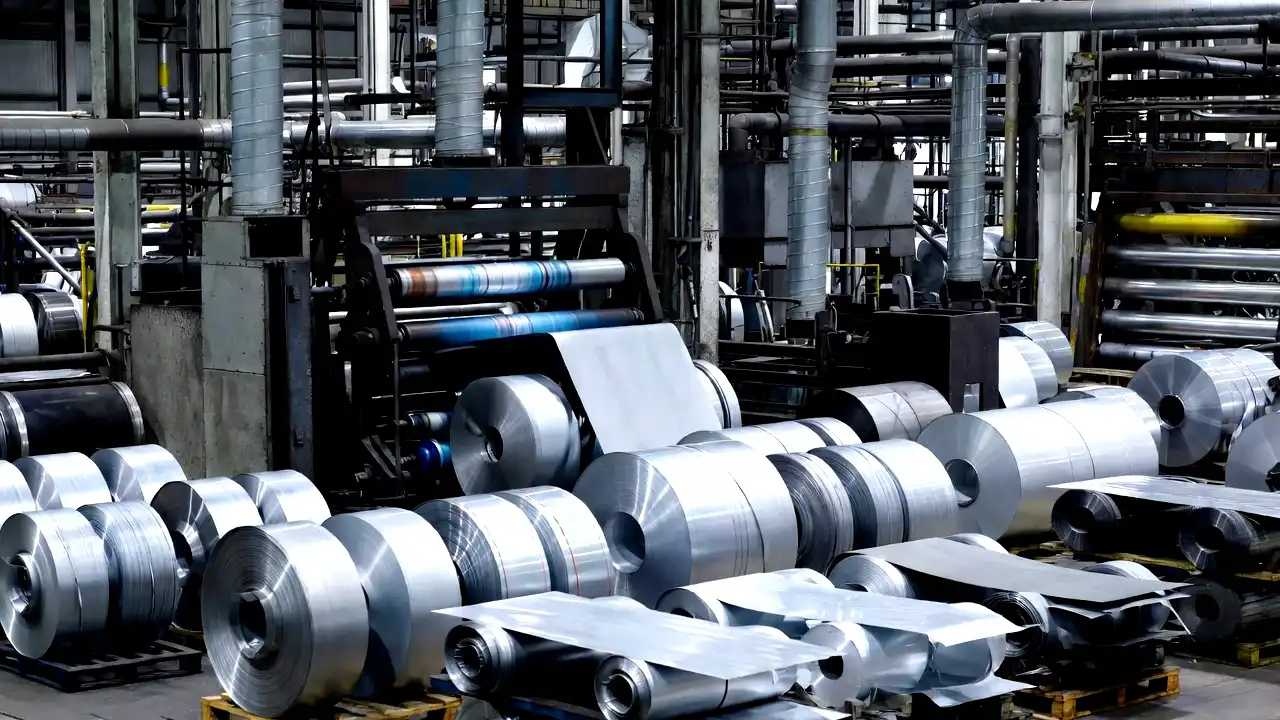
On Saturday, an Iranian missile and drone attack struck the largest metal-producing plant belonging to Emirates Global Aluminium. The company reported significant damage to its Al Taweelah facility located in the Khalifa Port industrial zone of Abu Dhabi. This aggressive strike delivers another heavy blow to the regional commodity industry, which is already struggling under the weight of the ongoing war in the Middle East.
Producers of energy and metals across the Persian Gulf currently face serious logistical problems. The effective closure of the Strait of Hormuz completely cuts these companies off from crucial global markets. Every day, ships carrying millions of dollars in goods normally pass through this narrow waterway. Now, companies must scramble to find alternative routes or simply store their products indefinitely. Industry experts warn that attacks like this weekend’s strike will only extend the time required for normal business operations to resume once the conflict finally ends.
Emirates Global Aluminium continues to assess the extent of the destruction at the Al Taweelah site. Company officials confirmed the attack injured several employees, though they refused to state whether they officially suspended factory operations. Meanwhile, the Abu Dhabi media office reported that falling debris from intercepted ballistic missiles sparked 3 separate fires in the nearby Kezad industrial zone. These fires left 6 people injured and required emergency crews to rush to the scene.
These violent strikes represent just one part of a broader series of Iranian attacks aimed at Gulf countries. Interestingly, this sudden escalation occurred precisely as President Donald Trump and his administration were actively pursuing discussions about a potential ceasefire in the region. The timing of the drone strike severely complicates these delicate diplomatic efforts and raises tensions across the globe.
As the largest non-energy industrial company in the United Arab Emirates, Emirates Global Aluminium plays a critical role in the global supply chain. The large corporation operates 2 primary smelters. One facility is located in the emirate of Dubai, while the other is located in Abu Dhabi. The damaged Al Taweelah site sits exactly halfway between the cities of Dubai and Abu Dhabi along the coast of the Persian Gulf. The Dubai plant operates safely within the Jebel Ali Port and Free Zone area.
Before the current crisis, the Al Taweelah smelter served as a true powerhouse of production. The facility successfully produced 1.6 million tonnes of cast metal in 2025 alone. Losing even a fraction of that material puts incredible pressure on manufacturers worldwide that rely on this metal to build cars, airplanes, and everyday electronics. Fortunately, the company held a substantial amount of metal stock in offshore storage locations when Israel and the United States initiated their war on Iran last month.
The company now taps into this external product reserve to help meet current customer demand and prevent sudden global shortages. Beyond its domestic operations, Emirates Global Aluminium acts as a major international investor. The company proudly participates in a massive pledge by the United Arab Emirates to spend $1.4 trillion inside the United States over the next decade. Thanks to this strong partnership, the United Arab Emirates ranks as the second-largest aluminum supplier to the United States, sitting just behind Canada.
To expand its American footprint, the company is currently building the first new American aluminum smelter in several decades in Oklahoma. Additionally, the company owns a highly profitable recycling plant in Minnesota. This facility allows the company to benefit greatly from President Donald Trump’s trade tariffs, as domestically produced metals now sell at much higher prices nationwide. These strategic investments protect the company from overseas disruptions while strengthening American manufacturing capabilities amid global uncertainty.