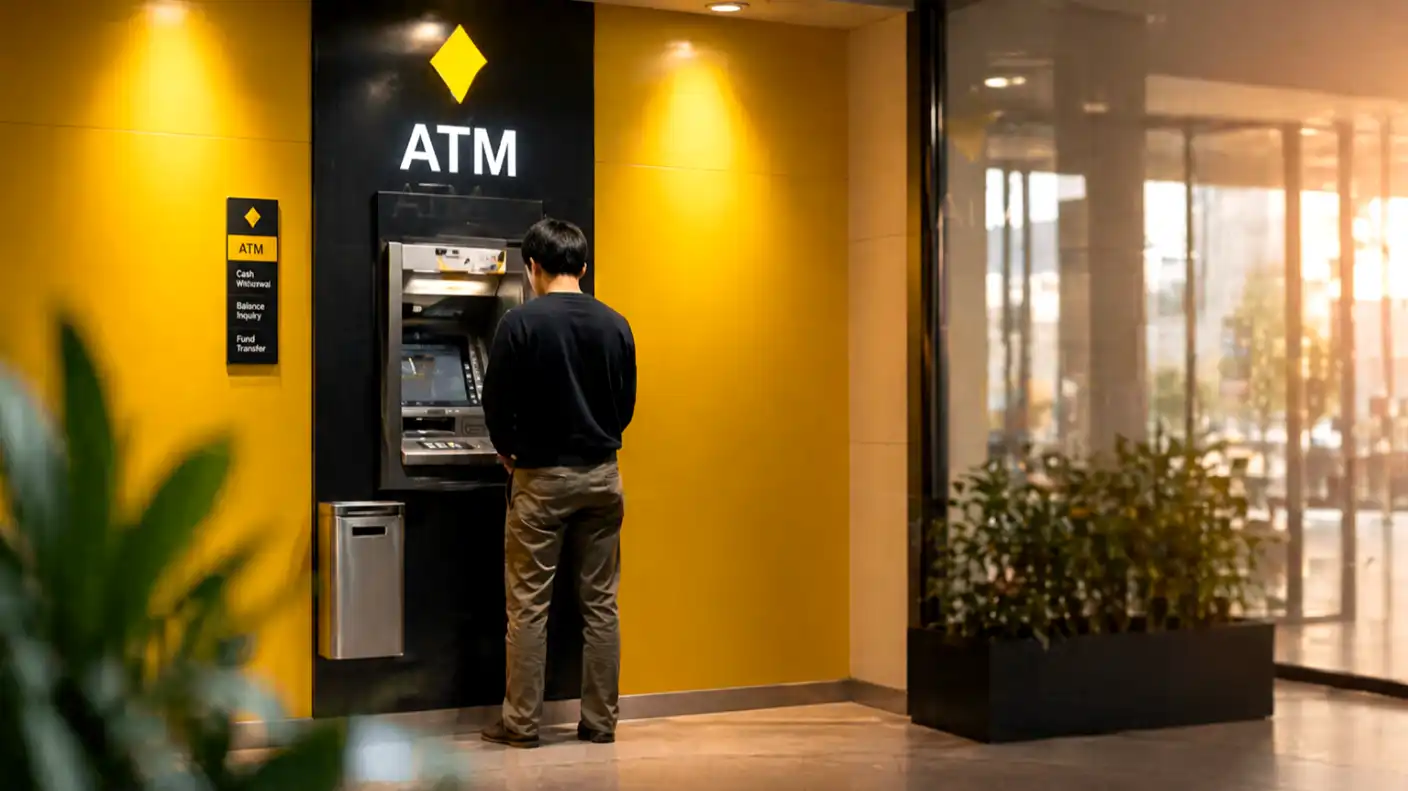
Key Points:
- Organizers ask Australians to withdraw money today to protest the push toward a cashless society.
- The movement hopes to hit 1.8 million daily ATM withdrawals to send a strong message to big banks.
- Recent data show that the use of physical money grew to 15% of all transactions in 2025.
- The Reserve Bank warns that removing physical money would cause major financial hardships for one-third of the country.
April 28 marks National Cash Out Day across Australia. Millions of citizens plan to visit their local ATMs and bank branches to withdraw cash from their accounts. This massive grassroots movement aims to pressure the federal government and big banks to keep physical cash alive and well in the national economy. Citizens feel increasingly frustrated as local bank branches close their doors and ATMs disappear from shopping centers. Today, they push back by holding the banks accountable.
People from every single state and territory support the fight to protect their right to use physical notes and coins. Organizers view this simple action as a powerful way to ensure businesses and banks continue to support physical tender as a viable payment option. They want to stop the rapid march toward a completely cashless society. Advocates argue that forcing everyone into a digital-only system strips away personal freedom and leaves vulnerable people behind.
Jason Bryce founded the advocacy group Cash Welcome and works as a financial journalist. He told reporters that this type of public protest really works and creates actual political change. He pointed out that a highly successful protest a couple of years ago pushed the government to announce a formal mandate protecting physical tender. Bryce believes this current event gives everyday consumers an easy way to tell big banks that local communities demand reliable access to their own money.
The numbers behind the protest highlight the movement’s massive scale. On a normal day, roughly 900,000 to 1 million people use an ATM across Australia to grab some spending money. The organizers behind this campaign want to double that normal daily activity. They set a bold goal of hitting 1.8 million individual withdrawals today. Reaching this massive number would serve as a giant wake-up call for financial institutions eager to eliminate physical cash-handling costs.
Bryce explained that anyone can join the movement with very little effort. A person simply needs to withdraw $20 from any ATM, local bank branch, or retail store checkout register. He clarified that the campaign does not hate digital payments or smartphone wallets. He said the convenience of tap-and-go technology offers great benefits, and nobody wants to take those digital options away from modern consumers. However, he stressed that buyers need the freedom to choose how they pay, adding that everyone needs physical cash at some point during the week.
The push for this national day comes at a very interesting time for the Australian economy. Big banks keep closing local branches and removing neighborhood ATMs to save on operational costs. These actions make physical tendons much harder to find. Despite these frustrating hurdles and the push toward digital systems, Australians now use physical tenders more often. A recent official study by the Reserve Bank of Australia revealed a surprising upward trend in the use of physical money across the country.
The Reserve Bank study showed that physical tender accounted for 15% of all transactions in 2025. This marks a solid 2% jump from the numbers reported in 2023. While that 15% figure includes some online bill payments, the numbers look even stronger for local community shopping. When researchers looked only at in-person sales at grocery stores and cafes, they found that buyers paid with physical notes and coins for 20% of all purchases.
The research also broke down exactly who relies most on physical tenderness in modern society. Researchers found that about half of Australians withdraw cash at least once a week to buy goods or services. Older citizens naturally rely on this traditional payment method much more heavily than younger generations who grew up with smartphones. Families living on lower incomes also use physical cash far more often than digital bank cards to help manage their tight weekly budgets.
Because so many people still rely heavily on paper money to survive, the Reserve Bank issued a serious warning to the financial industry. The central bank warned that restricting physical tender would severely hurt a huge portion of the population. The official report stated that one-third of all Australians would face severe financial hardship or major daily inconveniences if physical tender became hard to access or if local shops refused to accept it at the register.
The study made it clear that a fully digital economy creates real fears and dangers for everyday families. Many citizens still carry paper money specifically for unexpected emergencies. They know that digital payment networks often crash, leaving buyers completely helpless at the checkout counter with a cart full of groceries. For these citizens, losing the ability to use physical money would create major life difficulties, making protests like Cash Out Day deeply important for their financial survival and peace of mind.