Key Points:
- European Union leaders are struggling for a consensus on how to curb a massive surge of Chinese imports deemed an existential threat to local industries.
- The EU’s trade deficit with China has ballooned to around €360 billion ($417 billion), currently exceeding €1 billion a day.
- France is actively lobbying for a “European Section 301” tariff tool, while Germany reluctantly contemplates firmer trade defense measures.
- Fear of retaliation looms large, as Beijing warns of countermeasures if the EU pushes through restrictive industrial procurement laws.
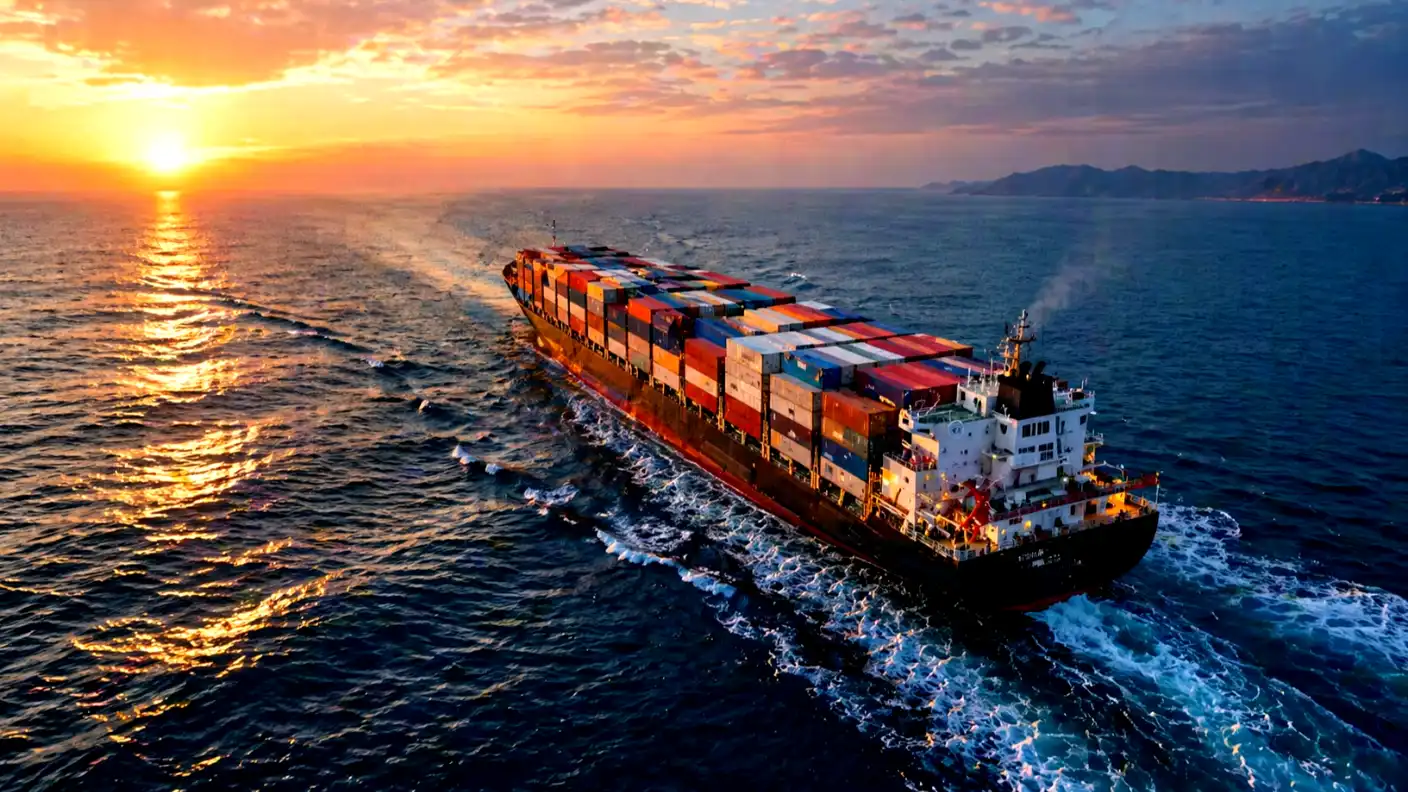
A massive wave of low-cost manufactured goods is pouring into European ports, presenting a direct threat to domestic industries and exposing deep divisions within the European Union. During a high-stakes summit in Brussels, EU leaders grappled with how to counter what many in the bloc are calling “China Shock 2.0.” The 27-nation bloc is facing a structural crisis as subsidized Chinese exports across green technology, electric vehicles, and chemicals flood local markets, undercutting local manufacturers. While European capitals agree on the severity of the economic diagnosis, they remain heavily divided on the cure, struggling to find a consensus on how aggressively to erect tariff barriers without triggering a destructive, full-scale trade war with Beijing.
The economic data driving this regulatory panic is staggering. The European Union’s trade deficit in goods with China has ballooned to approximately €360 billion, equivalent to roughly $417 billion, meaning Chinese exports to the continent vastly exceed European sales to China. Daily, this trade gap now exceeds €1 billion, a deficit that EU Trade Chief Maros Sefcovic recently declared simply unsustainable. Sefcovic emphasized that Europe’s commercial relationship with China has reached a critical tipping point, requiring an immediate reset. He argued that the goal is not to provoke a hostile confrontation, but rather to force a necessary rebalancing to protect European jobs and industries.
In response to this structural imbalance, France is leading the charge for an aggressive, highly centralized trade defense strategy. French President Emmanuel Macron has actively called for the creation of a “European equivalent of Section 301″—a powerful trade enforcement tool modeled directly after the unilateral mechanism the United States uses to impose sweeping, sector-specific tariffs. Macron has warned that Europe’s economic sovereignty is at stake, arguing that the bloc must be prepared to shut out foreign goods that benefit from heavy state subsidies. Under the French plan, the EU would establish a permanent, fast-track system to penalize sectors like clean energy and chemicals if they threaten domestic manufacturers.
Conversely, Germany has historically adopted a highly cautious, reluctant posture toward any trade defense measures that could provoke Beijing’s wrath. As Europe’s largest exporter, the German economy—led by Chancellor Friedrich Merz—is heavily exposed to potential Chinese retaliation, particularly across its dominant automotive and machinery sectors. However, Berlin appears to be gradually coming around to France’s way of thinking. German officials recently indicated they are open to establishing new, defensive trade instruments, provided that any new tariffs remain strictly compliant with World Trade Organization rules and are not targeted at specific recipients.
While Germany is slowly aligning with France, other European capitals remain highly hesitant to disrupt relations with their largest trading partner. Spain, under Prime Minister Pedro Sanchez, has consistently sought to avoid trade tensions, actively chasing Chinese investment to build out its domestic electric vehicle supply chains and battery manufacturing hubs. This division highlights a broader structural challenge within the European Union: while northern and western industrial hubs want to protect their domestic manufacturing bases from cheap imports, southern and eastern nations are often desperate for the capital and manufacturing jobs that Chinese conglomerates can bring.
The fear of Chinese retaliation is far from theoretical, as Beijing has repeatedly proven its willingness to execute swift, targeted countermeasures to defend its export engine. After the European Commission hit Chinese electric vehicles with higher provisional tariffs, China immediately responded by launching anti-dumping investigations into European pork and imposing retaliatory duties on European cognac. Furthermore, Beijing has warned of severe economic countermeasures if the EU pushes forward with its draft “industrial acceleration” bill, which seeks to exclude products manufactured outside the bloc from lucrative public procurement contracts, threatening to cripple European luxury and agricultural exporters.
For many European industry leaders, the current import surge represents an existential threat to the continent’s green transition goals. European manufacturers find themselves unable to compete with the sheer scale and heavy state subsidies that back Chinese solar panels, wind turbines, and lithium-ion batteries. In many sectors, Chinese firms can sell finished goods in Europe for less than the raw material costs of local producers. Having already witnessed the complete collapse of its domestic solar manufacturing industry during the first “China Shock” a decade ago, Brussels is determined to prevent a similar wipeout of its domestic electric vehicle and clean tech sectors.
The trade tension is not confined to Europe; it formed a central topic of discussion among G7 leaders during their recent summit in France. The world’s largest industrial democracies pledged an ambitious, coordinated target to diversify their supply chains away from China, adding momentum to the EU’s defensive push. A primary source of anxiety is Beijing’s near-complete stranglehold on critical rare earth minerals, which are essential to manufacture electric vehicles, wind turbines, and advanced military electronics. Having experienced temporary Chinese export controls on graphite, gallium, and germanium last year, Western leaders are increasingly aware that economic reliance on a single systemic rival is a major national security risk.
As the European Commission prepares to finalize its investigations into Chinese subsidies, the coming months will determine whether the continent can successfully defend its industrial base. If Brussels implements sweeping, US-style tariffs, it will mark a definitive end to the era of unconstrained free trade, forcing European consumers to pay higher prices for green technologies in exchange for supply chain security. Conversely, if internal political divisions prevent EU leaders from reaching a consensus, the flood of low-cost imports will continue to hollow out the continent’s industrial core. The ongoing trade battle proves that in a fragmented global economy, true sovereignty requires holding the factories that build the future.