Key Points:
- SoftBank Group wants to build a 10-gigawatt AI data center on a former US uranium enrichment site in Ohio.
- CEO Masayoshi Son claims the massive infrastructure project will eventually channel $500 billion into a single campus.
- The company plans to power the facility using $33 billion worth of natural gas electricity by the end of the decade.
- The Trump administration supports the project as part of a larger $550 billion US-Japan trade agreement.
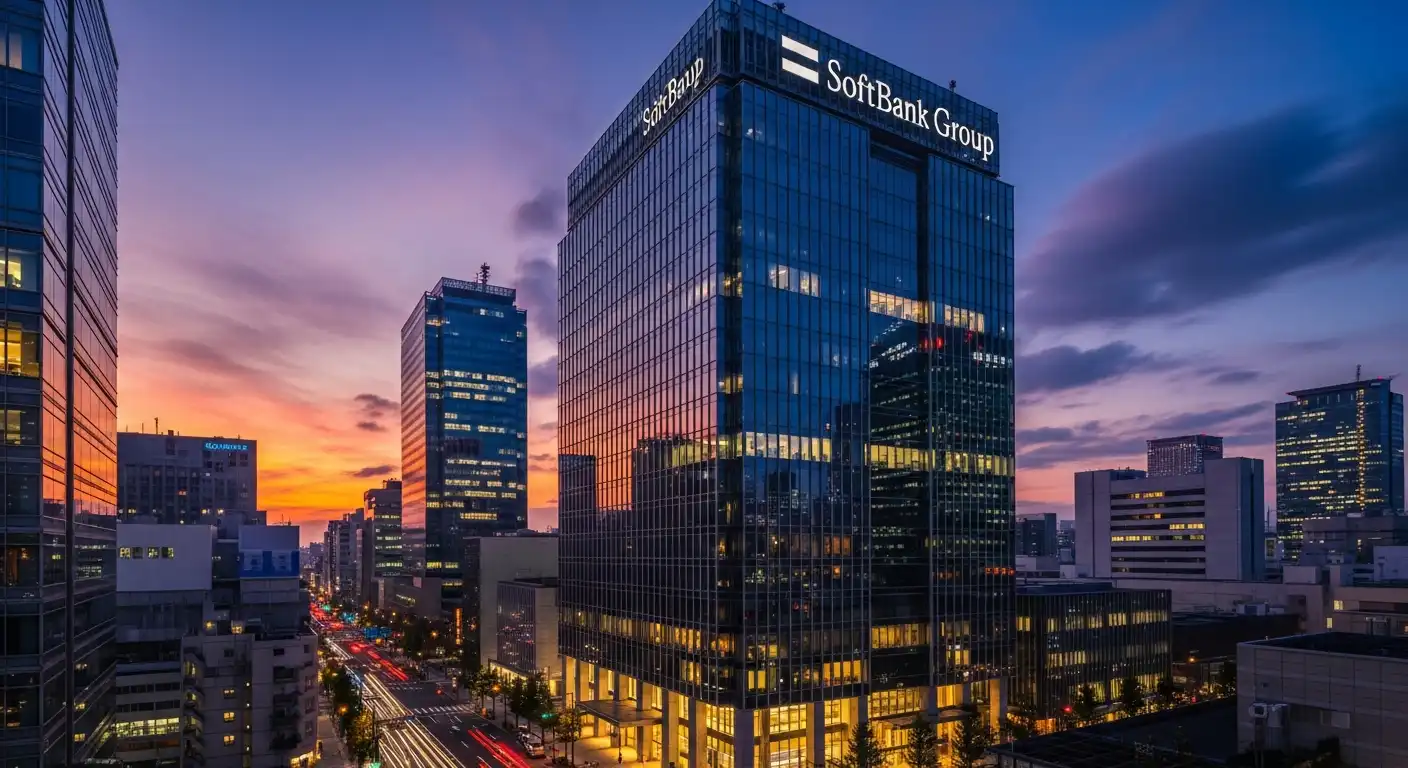
SoftBank Group Corp. is preparing to build what could become the largest construction project in the United States. The Japanese conglomerate wants to transform a retired uranium enrichment plant in Ohio into a massive data center focused entirely on artificial intelligence. SoftBank Chief Executive Officer Masayoshi Son boldly claimed the project would eventually channel $500 billion into this single campus.
Commerce Secretary Howard Lutnick stood alongside Son and Energy Secretary Chris Wright on Friday to unveil the ambitious plan. The group envisions a sprawling AI computing complex capable of drawing 10 gigawatts of power from the local grid. To put that massive number into perspective, a single gigawatt of electricity can power roughly 750,000 homes at any given moment.
SoftBank expects to finish the first phase of this mega-project by early 2028. This initial step will handle about 800 megawatts of power and cost between $30 billion and $40 billion to complete.
To keep the servers running, SoftBank needs an incredible amount of electricity. The company plans to power the project with roughly $33 billion in new natural gas-fired electricity. Rich Hossfeld, the co-chief executive officer of the SoftBank-backed company SB Energy, confirmed they have already sourced the necessary gas turbines. He expects the first turbine to arrive within a year, with the rest coming online by the end of the decade. These turbines will generate 9.2 gigawatts in total and will be scattered across the region rather than sitting at one single complex.
The Trump administration proudly points to this $33 billion gas project as a major victory. Officials tie the development directly to a broader $550 billion US-Japan trade deal negotiated earlier this year. That specific pact saw President Donald Trump agree to lower certain auto tariffs in exchange for massive Japanese investment in American infrastructure. This Ohio announcement gives the public its first detailed look at the actual AI data center plans stemming from that international agreement.
However, the explosive growth of artificial intelligence is creating friction across the country. AI systems require enormous computing capacity, which in turn demands massive amounts of water for cooling and electricity for power. A growing backlash from local communities centers on the fear that these giant data centers will drive up utility costs for everyday residents.
The Trump administration is working hard to address these exact concerns ahead of the November midterm elections. Officials recently demanded pledges from major technology companies, requiring them to promise to cover the costs of their own power infrastructure. President Trump views winning the global AI race against China as a top national priority, and failing to secure enough power supplies would seriously threaten that goal.
While SB Energy has not yet announced which tech companies will rent space in the Ohio data center, executives have promised that customers are definitely coming. These future clients will take an active role in sourcing the complex computer chips and server equipment needed inside the facility.
At a planned 10 gigawatts, this center would easily rank among the largest, if not the absolute largest, in the world. The accompanying natural gas project would also set a record, supplying energy equivalent to 9 traditional nuclear reactors.
The chosen location holds a deep history. The Portsmouth site is a sprawling 3,700-acre plot located in Piketon, Ohio, about 70 miles south of Columbus. During the Cold War, the facility produced weapons-grade uranium. Later, it supplied lower-grade uranium to fuel commercial nuclear reactors before officially ceasing enrichment operations in 2001. An Energy Department official noted that the site resembles a small city and already features high-voltage power lines that the new data center can easily tap into.
To handle this massive new electrical load, SB Energy is partnering with American Electric Power Co. The two companies will invest $4.2 billion to build and upgrade the necessary local transmission lines. Hossfeld stressed that they have already lined up the heavy equipment, including massive transformers, and promised that regular consumers will not foot the bill for these upgrades. American Electric Power expects power to begin flowing directly to the new facility sometime in 2029.
Building a 10-gigawatt project is a staggering undertaking for the state. As of 2024, the entire state of Ohio had only about 30 gigawatts of total power generation available. When President Trump first touted the massive size of this project, energy industry experts expressed immediate skepticism.
Reporters later discovered that no one had actually notified the largest US grid operator in the region, nor had they flagged local Ohio regulators about the massive plan. Despite the early confusion, the project is now moving forward as a centerpiece of the new US-Japan economic alliance.