Key Points:
- SpaceX rescheduled its 12th uncrewed Starship test flight for Friday evening, May 22, 2026, after a last-minute scrub.
- A single mechanical issue with a hydraulic pin on the launch tower’s arm aborted the Thursday attempt with 30 seconds left.
- This high-stakes flight marks the maiden voyage of the upgraded, 408-foot-tall Starship V3 megarocket.
- The test represents a crucial milestone for investor confidence as SpaceX prepares for a record $1.75 trillion IPO.
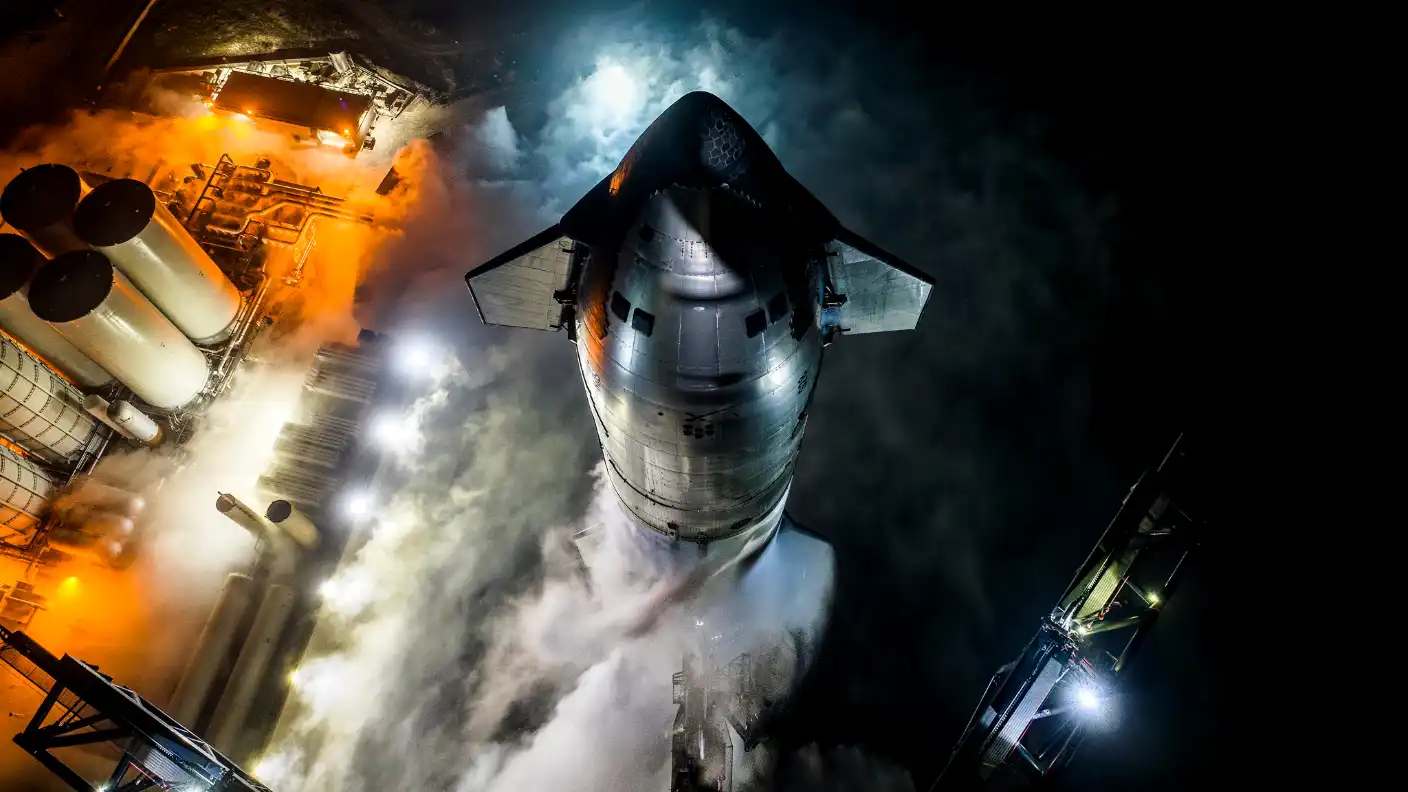
SpaceX is gearing up for a second attempt to launch its massive Starship rocket on Friday, May 22, 2026, after a sudden last-minute technical glitch scrubbed its highly anticipated maiden voyage on Thursday evening. Engineers called off the high-stakes flight from the company’s Starbase facility in South Texas with just 30 seconds left on the countdown clock. The megarocket represents the highly upgraded third-generation Starship V3, a crucial spacecraft designed to unlock Elon Musk’s grandest ambitions for space exploration.
SpaceX Chief Executive Officer Elon Musk explained the cause of the late-stage abort in a social media post on X shortly after the scrub occurred. He revealed that a single mechanical component—a hydraulic pin holding the launch tower’s giant mechanical arm in place—did not retract as designed. Despite the last-minute disappointment for tens of thousands of spectators gathered at Boca Chica beach, Musk remained optimistic. He promised that if the technicians could fix the faulty arm overnight, another launch attempt would take place the very next day.
The Federal Aviation Administration and local air traffic authorities updated their warnings to reflect the new schedule. SpaceX plans to launch the fully stacked vehicle during a 90-minute window opening at 5:30 p.m. Central Time (2230 GMT) on Friday, May 22, 2026. The live webcast of the mission, the 12th integrated test flight of the Starship program, will begin about 45 minutes before liftoff, allowing space enthusiasts to watch the dramatic preparations.
This test flight represents a major milestone for SpaceX, as it marks the debut of the redesigned Starship V3. When fully stacked on the company’s newly built second launch pad, the megarocket stands an impressive 408 feet tall. The upgraded Super Heavy booster features the next evolution of SpaceX’s Raptor engines, with all 33 engines expected to ignite during ascent, producing a colossal 18 million pounds of thrust. The V3 design aims to deliver 100 metric tons of payload to Earth’s orbit in a fully reusable configuration with rapid turnaround times.
The primary objective of Flight 12 is to demonstrate how these newly redesigned elements perform in a live flight environment. For this specific attempt, SpaceX will not try the dramatic tower catch of the booster using the launch pad’s giant mechanical “chopstick” arms, which wowed the world in previous flights. Instead, the company plans for the Super Heavy first-stage booster to make a controlled, soft splashdown in the Gulf of Mexico. Meanwhile, the Starship upper stage will attempt to deploy a batch of mock Starlink satellites in space before its own controlled reentry and water landing in the Indian Ocean.
The pressure to execute a successful launch has never been higher, as SpaceX is currently preparing for one of the most highly anticipated initial public offerings (IPOs) in Wall Street history. The company officially filed its S-1 registration statement with the Securities and Exchange Commission on Wednesday. In its prospectus, SpaceX revealed it has spent more than $15 billion developing the fully reusable Starship system. The company’s planned public listing targets a record-shattering valuation of $1.75 trillion, and a successful Starship V3 flight will significantly boost investor confidence ahead of the stock sale.
Building a fast and reliable Starship vehicle is crucial for the financial survival of SpaceX’s broader business empire. In its IPO filing, the company admitted that its long-term growth and its ability to build out its Starlink satellite constellation at a faster pace depend entirely on expanding its launch cadence. The smaller Falcon 9 rockets simply cannot carry enough satellites to meet their goals. Starship represents the only vehicle capable of deploying the massive next-generation Starlink V3 satellites that will provide high-speed internet to millions of customers.
The United States space agency NASA is also betting heavily on Starship’s success. The government has contracted SpaceX to use the mega-spacecraft as the human landing system to carry American astronauts back to the Moon’s surface on its Artemis IV mission. Currently scheduled for early 2028, the historic mission would mark humanity’s first return to the lunar surface in more than half a century. A successful flight on Friday will keep that 2028 timeline alive.
Beyond satellite contracts and government moon missions, the Starship rocket underpins Musk’s ultimate, decades-long goal of colonizing Mars. SpaceX designed the massive interior cabin to carry up to 100 people at a time into deep space. During the launch webcast on Thursday, SpaceX even revealed that cryptocurrency billionaire Chun Wang has signed on to lead the first-ever private Starship flyby of Mars. As the company pushes the boundaries of rocket design, this 12th test flight will show whether SpaceX is truly ready to start building the physical infrastructure needed to make humanity a multiplanetary species.