Key Points:
- The S&P 500 dropped over 7.0% this year, wiping out record highs set in January as global tensions escalated.
- Wall Street’s fear index recently crossed the 30 mark, while gold prices fell by $500, and Bitcoin lingers near $65,000.
- Financial experts warn that the Federal Reserve might raise interest rates in 2026 instead of the previously expected rate cuts.
- Top economists advise investors to remain calm, predicting that 4 to 6 weeks of volatility will eventually bring long-term market stability.
Investors entered 2026 with high hopes and incredible momentum. Artificial intelligence spending, a stable trade environment, and dreams of lower interest rates pushed the S&P 500 to a record high in late January. Fast forward to the final two trading days of the first quarter, and the financial landscape looks completely different. The stock market appears broken, and financial leaders struggle to find a quick fix.
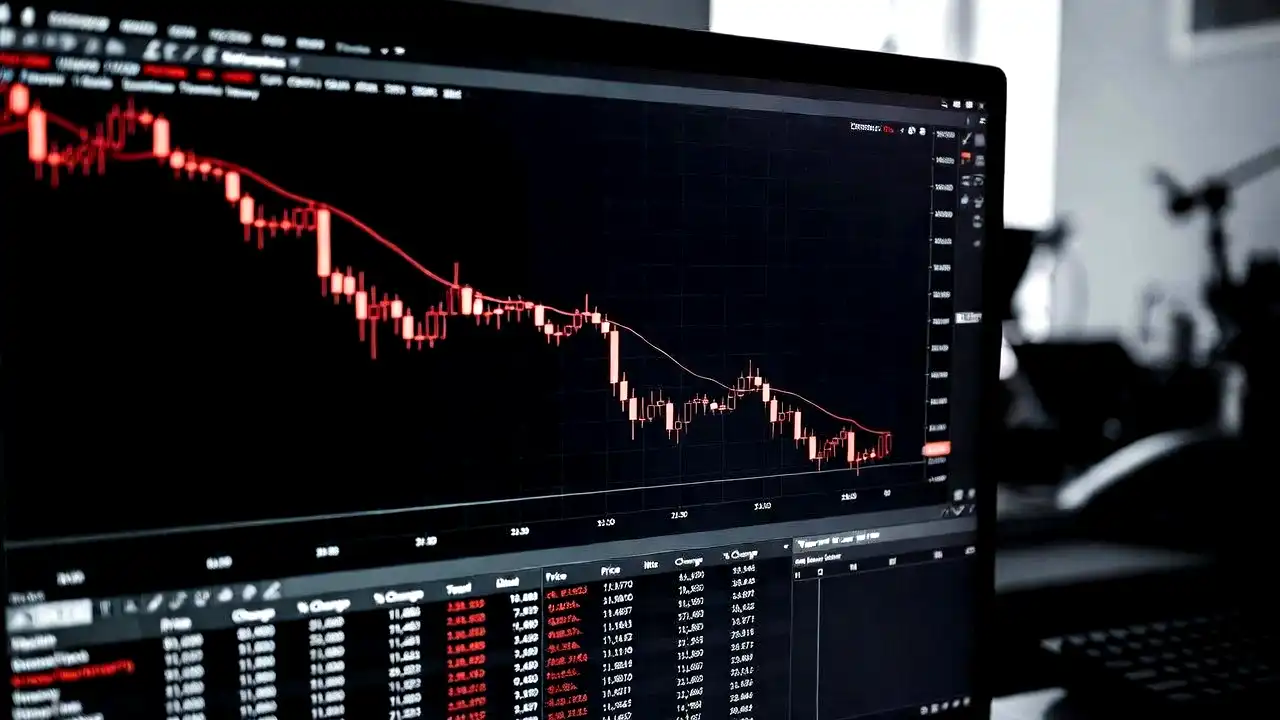
The numbers tell a grim story. The S&P 500 currently sits more than 7.0% lower for the year. The tech-heavy Nasdaq officially entered correction territory. Wall Street’s fear gauge, known as the VIX, recently blasted past the 30 mark, hitting its highest level in a full year. Across the board, asset prices are tumbling.
Bond yields continue to soar, making borrowing much more expensive for companies and everyday consumers. Gold prices plummeted by $500 from their January peak. Meanwhile, Bitcoin struggles to gain traction, languishing right around $65,000. International stocks once again lag behind American markets.
Perhaps the biggest shock involves interest rates. Just a few months ago, investors confidently predicted that the Federal Reserve would execute multiple rate cuts. Today, the market completely wiped those hopes off the table. Financial analysts now warn that a rate hike in 2026 is much more likely than any rate cut. This dramatic shift forces money managers to rethink their entire strategy for the year.
Global conflicts add massive weight to these market struggles. Ongoing geopolitical headlines surrounding the United States and Iran continue to dominate the daily news cycle. Energy markets feel the pressure, yet oil prices show no real sign of resolving in either direction. Industry experts in the energy sector believe stock traders severely underestimate the risks associated with this conflict.
For the past three years, market optimists relied on a few solid pillars to justify buying stocks. They pointed to massive investments in artificial intelligence, strong corporate earnings growth, and the promise of lower borrowing costs. In 2026, those catalysts simply lost their magic.
To make matters worse, new problems keep popping up on the radar. Artificial intelligence agents now threaten to replace traditional software companies. At the same time, private credit funds started blocking client withdrawals, adding another negative item to a rapidly growing list of market worries.
Despite this gloomy environment, some seasoned professionals see an opportunity. Market veterans often repeat a famous quote from billionaire Warren Buffett during times like these. He famously told people to be greedy when others act fearful. Keith Lerner, the chief investment officer at Truist Wealth, echoed this exact sentiment in a recent note to his clients. He told them that measured cash deployment makes sense right now. In simple terms, he advised investors not to flee the stock market out of fear.
Torsten Sløk, the chief economist at Apollo, offers another comforting perspective. He strongly argues that the current market reaction to the conflict between the United States and Iran represents a massive overreaction. Sløk wrote that markets will likely experience a messy 4- to 6-week period of intense volatility. However, he believes this short-term pain will eventually yield 50 years of stability across oil markets, supply chains, and global politics.
Sløk also predicts that the recent spike in inflation will pass quickly. He expects interest rates to decline eventually and insists that the artificial intelligence boom will continue to drive the American economy forward. Right now, a glance at the market dashboard reveals mostly bad news.
However, piecing the puzzle together shows exactly what investors need to see to spark a turnaround. Risk assets like stocks and Bitcoin desperately need oil prices to stabilize or drop. Until the energy sector calms down, regular investors simply need to hold on and wait for the storm to pass.