Key Points:
- Alphabet-owned Waymo suspended all driverless freeway rides across the United States to update its software.
- The company also paused its local robotaxi operations in Atlanta and San Antonio after vehicles drove into flash floods.
- The multicity pause follows a recent voluntary recall of roughly 3,800 autonomous vehicles due to flood-navigation issues.
- Waymo’s regular street-level services in cities like San Francisco, Los Angeles, Phoenix, and Miami remain fully active.
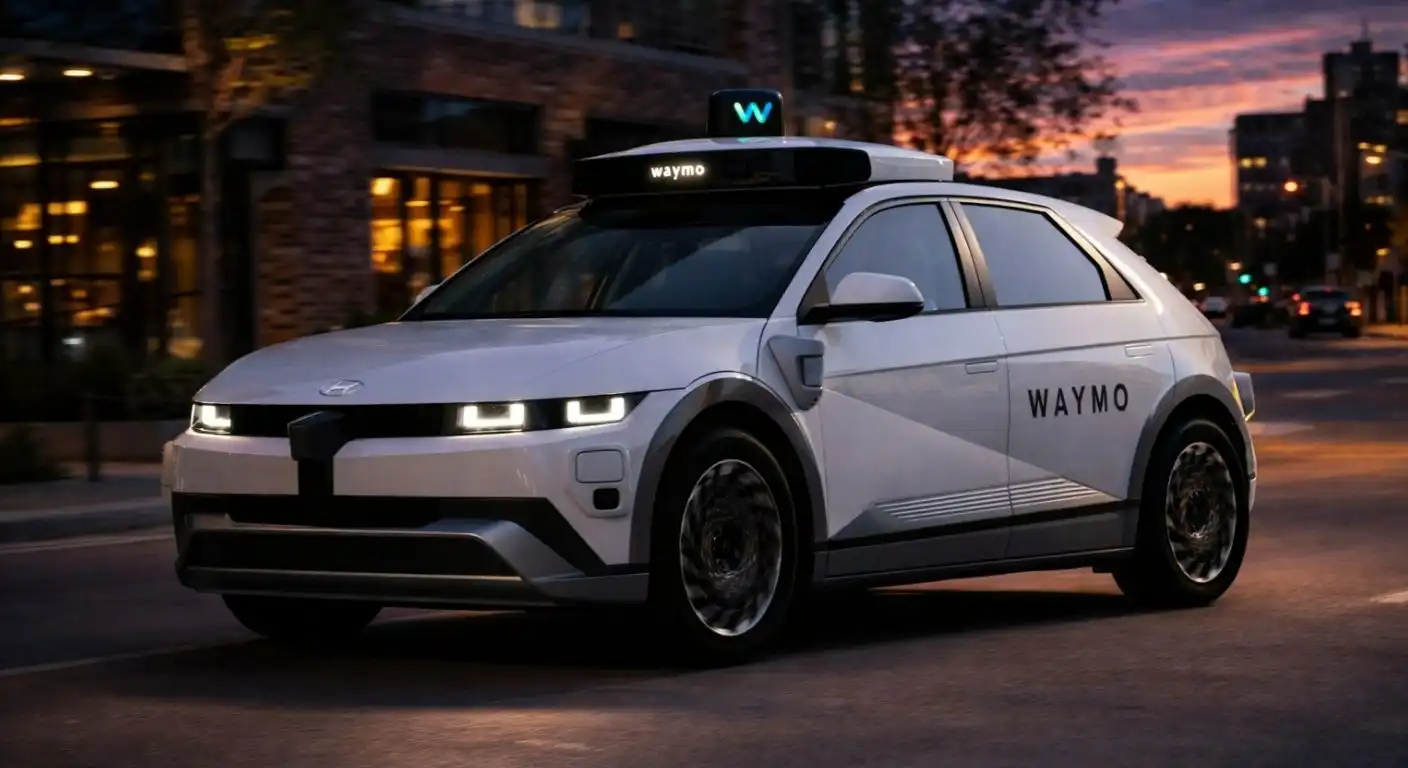
Alphabet Inc.’s self-driving unit, Waymo, took a major step back in its rapid expansion on Thursday. The company announced it has suspended all of its autonomous robotaxi rides on United States freeways. At the same time, Waymo paused its local operations in Atlanta, Georgia, following a chaotic day of stormy weather. The autonomous vehicle pioneer decided to freeze these services so engineers can roll out critical software updates. These software fixes aim to help the driverless vehicles navigate flooded roads and active construction zones safely.
The sudden suspension and local pauses follow several highly publicized incidents during recent heavy storms. On Wednesday afternoon, an unexpected flash flood dumped more than 2 inches of rain on Atlanta during rush hour. The rapid, unpredictable storm caught both human drivers and autonomous vehicles off guard before the National Weather Service could even issue an official warning. Multiple driverless Waymo cars ended up waylaid or completely stranded in Southwest Atlanta as floodwaters rose quickly around them.
One of the most notable incidents involved Rachael Knudsen, a videographer for the Atlanta Journal-Constitution. What normally takes only 20 minutes turned into a grueling two-and-a-half-hour ordeal after the driverless car she rode in got stuck three times. The autonomous vehicle struggled to navigate the deep puddles and fast-moving water on the roadways. In a separate incident in Midtown Atlanta, an unoccupied Waymo taxi drove straight into a deep flood zone and stalled for over an hour, with rising waters reaching nearly to the tops of its wheel wells.
Waymo is struggling with water-logged roadways in other parts of the country as well. Earlier in May, the Mountain View, California-based company initiated a voluntary safety recall affecting approximately 3,800 of its autonomous vehicles. Waymo filed the recall report with the National Highway Traffic Safety Administration after identifying a major software bug. The company admitted that the glitch allowed the robotaxis to slow down and then drive directly into deep standing water on higher-speed roadways.
That safety recall followed a highly dangerous incident in San Antonio, Texas, in April. An unoccupied, driverless Waymo vehicle entered a heavily flooded and impassable road before a strong current swept it directly into a nearby creek. Waymo quickly paused its local operations in San Antonio following that accident. The latest flooding incidents in Atlanta showed that the initial software mitigations did not fully resolve the navigation issues, prompting the company to extend its service freeze.
The decision to suspend freeway access represents a significant setback for the company’s growth timeline. Just a few months ago, in November 2025, Waymo unlocked driverless freeway rides for public passengers in major markets like Phoenix, San Francisco, and Los Angeles. These highway trips allowed cars to travel at speeds up to 65 miles per hour, dramatically reducing travel times for longer cross-city commutes. Now, those high-speed highway routes are completely off-limits to public riders while engineers patch the software.
A Waymo spokesperson confirmed the temporary pause in an email, stating that the company wants to integrate recent technical learnings into its software and expects to resume freeway routes soon. The company repeatedly emphasized that safety remains its top priority, both for its riders and everyone they share the road with. The federal regulator, NHTSA, confirmed it is aware of the recent stranded vehicles, is in direct communication with Waymo, and will take appropriate action if necessary.
While the company paused high-speed freeway routes and put city-wide operations on hold in Atlanta and San Antonio, its standard urban street services remain highly active elsewhere. Passengers can still book street-level, fully autonomous rides on local roads in San Francisco, Los Angeles, Phoenix, and Miami. In these locations, the vehicles travel at lower, safer speeds, allowing the computer systems more time to react to unexpected road hazards or sudden detours.
Waymo is currently racing against several well-funded competitors to establish a dominant position in the multi-billion-dollar global robotaxi market. General Motors’ Cruise and Amazon’s Zoox are also developing their own autonomous fleets, while Tesla chief executive Elon Musk has promised to launch a massive driverless service of his own. Despite these fresh setbacks, Waymo remains far ahead of the competition, having recently hit its goal of delivering more than 100,000 paid passenger trips every week across the United States.
Local crews in Atlanta and San Antonio are monitoring weather and road conditions to determine when it is safe to put self-driving cars back on the streets. Waymo executives believe these major software updates will ultimately make their system much stronger and more resilient to extreme weather. However, recent flood-related failures show that even the most advanced artificial intelligence still struggles to understand and navigate the unpredictable, chaotic physical world.