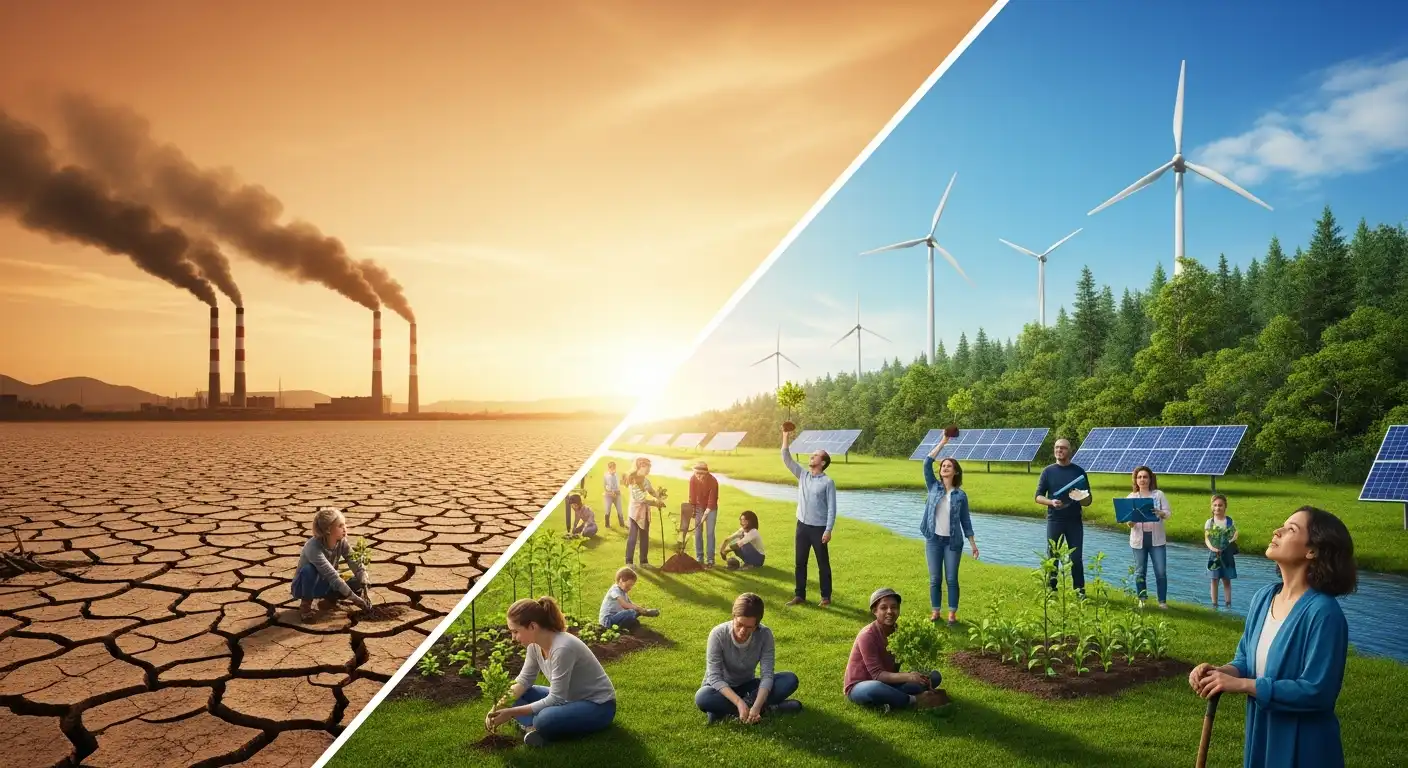
The term “carbon footprint” has become central to discussions of environmental sustainability, reflecting an individual’s or an organization’s impact on the climate. This article explores the concept’s origins, methods for measuring carbon footprints, the significance of reducing them, and the various strategies employed to mitigate environmental impact.
Origins of the Carbon Footprint Concept
The concept of a carbon footprint emerged as a tool to quantify the total greenhouse gas emissions associated with human activities, particularly the release of carbon dioxide (CO2) into the atmosphere. The term gained prominence in the early 21st century as the environmental impact of various sectors became a global concern.
Carbon Footprint Calculation – Understanding Emissions
The carbon footprint encompasses direct and indirect emissions associated with the entire life cycle of products, services, or activities. This holistic approach provides a comprehensive view of an entity’s environmental impact.
Scope 1, 2, and 3 Emissions – Categorizing Impact
Scope 1 emissions include direct emissions from sources owned or controlled by the entity, such as on-site combustion of fossil fuels. Scope 2 emissions arise from purchased electricity, while Scope 3 emissions encompass indirect emissions from the entire value chain, including suppliers, transportation, and product use.
Measuring the Carbon Footprint
Accurate carbon footprint measurement requires a detailed analysis of factors such as energy consumption, transportation, waste, and supply chain activities. Several methodologies and tools exist for quantifying these emissions.
Carbon Accounting Standards – Establishing Consistency
For example, the Greenhouse Gas Protocol is an internationally recognized standard that provides guidelines for organizations to measure and report carbon emissions consistently. These standards facilitate transparency and comparability of carbon footprint data across different entities.
Carbon Calculators – Tools for Individuals and Businesses
Carbon calculators, available online or as software applications, enable individuals and businesses to estimate their carbon footprint. These tools consider energy use, travel habits, and lifestyle choices to provide users with insights into their environmental impact.
The Significance of Reducing Carbon Footprints
Reducing carbon footprints is integral to addressing climate change and promoting environmental sustainability. The consequences of unabated carbon emissions include global warming, rising sea levels, extreme weather events, and disruptions to ecosystems.
Climate Change Mitigation – A Global Imperative
Mitigating climate change requires a concerted effort to reduce greenhouse gas emissions, focusing on lowering carbon footprints. This collective action is essential to limit global temperature increases and minimize the adverse effects of climate change on communities and ecosystems.
Corporate Responsibility – Sustainability as a Business Imperative
Businesses are increasingly realizing the significance of sustainability and reducing their carbon footprints. Beyond environmental stewardship, a commitment to sustainability can enhance corporate reputation, attract environmentally conscious consumers, and contribute to long-term business resilience.
Strategies for Mitigating Carbon Footprints
Reducing carbon footprints involves adopting strategies that target emissions across various value chain stages. From energy efficiency measures to sustainable practices, organizations and individuals can significantly impact.
Renewable Energy Adoption – Transitioning to Clean Power
Shifting to renewable energy sources, such as solar or wind power, is a fundamental strategy for reducing emissions. Organizations can significantly lower their emissions and contribute to a more sustainable energy landscape by minimizing reliance on fossil fuels.
Energy Efficiency Improvements – Optimizing Resource Use
Implementing energy-efficient technologies and practices can reduce energy consumption, thereby lowering carbon emissions. It includes upgrading equipment, improving insulation, and adopting smart technologies to optimize energy use.
Sustainable Transportation – Minimizing Carbon-Intensive Travel
Promoting sustainable transport options, such as electric vehicles, public transit, or cycling, can significantly reduce the associated costs of travel. Remote work and virtual meetings also minimize the environmental impact of commuting and business travel.
Circular Economy Practices – Reducing Waste and Emissions
Adopting a circular economy approach, which prioritizes reuse, recycling, and waste reduction, helps minimize the carbon footprint associated with manufacturing and disposal. Extending the life cycles of outcomes and materials contributes to a more sustainable, low-carbon economy.
Future Perspectives and Global Collaboration
As the world grapples with the challenges of climate change, addressing it requires a global commitment to sustainability. Future perspectives involve ongoing innovation, policy support, and collaborative efforts across sectors and nations.
Technological Innovations – Paving the Way Forward
Ongoing technological advancements, such as carbon capture and storage, innovative renewable energy solutions, and sustainable agriculture practices, are key to further reducing. Investing in research and development is crucial for unlocking new possibilities.
Policy Initiatives – Driving Change at Scale
Governments and international organizations are pivotal in driving policies that incentivize reduction. Regulations, carbon pricing mechanisms, and sustainability targets create a facilitative environment for companies and individuals to embrace low-carbon practices.
Global Collaboration – Building a Sustainable Future
Mitigating carbon footprints requires collective action on a global scale. Collaborative efforts among governments, businesses, and individuals are essential to achieving meaningful reductions in greenhouse gas emissions and to fostering a sustainable, resilient future for the planet.
Conclusion
Understanding, measuring, and mitigating carbon footprints represent critical steps in addressing the urgent challenges of climate change. Whether at the individual, corporate, or governmental level, the commitment to reducing it is a shared responsibility. By adopting sustainable practices, investing in clean technologies, and fostering global collaboration, humanity can pave the way towards a more sustainable and resilient future for future generations.