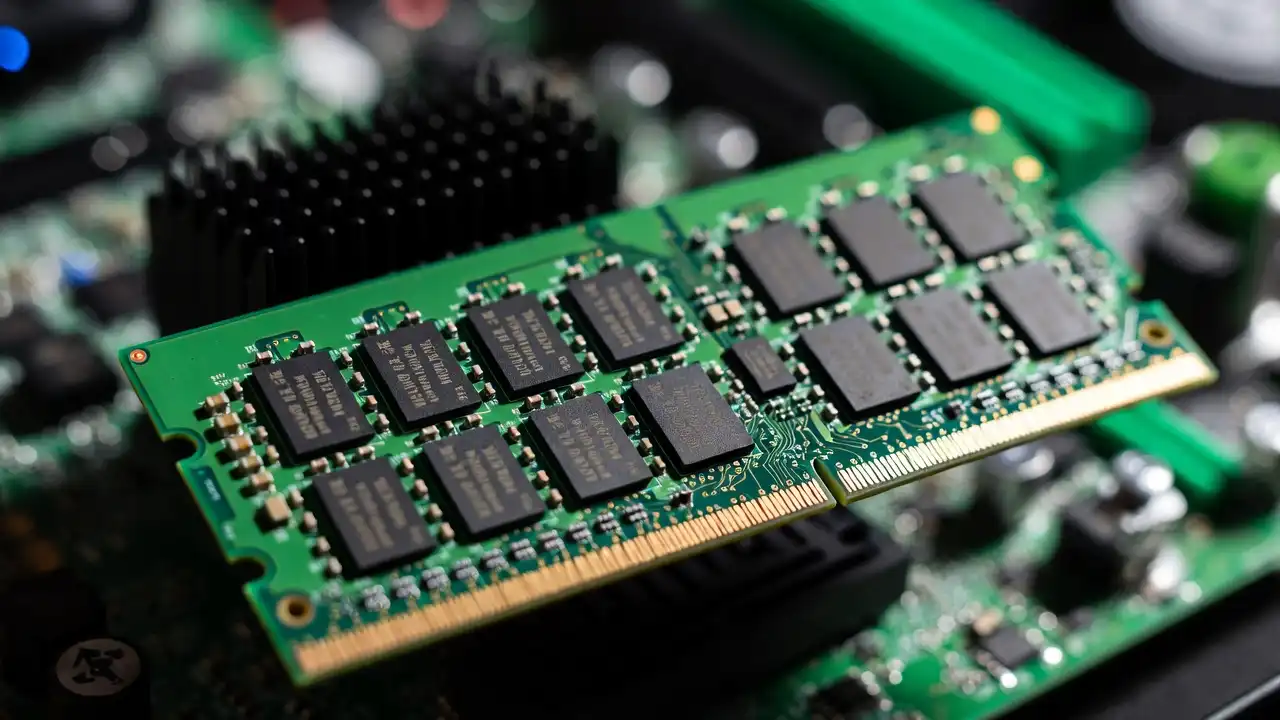
Embedded data storage has become a cornerstone of modern electronic devices, enabling efficient data management, access, and retrieval in a compact and integrated form factor. This comprehensive exploration delves into the intricacies of embedded data storage, unraveling its fundamental principles, key components, recent innovations, notable applications, and its transformative impact on reshaping the landscape of technology and connectivity.
Understanding Embedded Data Storage
Embedded data storage refers to integrating components directly into electronic devices, enabling them to store and retrieve data locally without requiring external storage. These storage solutions are designed to meet the specific requirements of embedded systems, including compact size, low power consumption, and high reliability.
Key Components of Embedded Data Storage
The core components of embedded data storage contribute to its functionality and effectiveness in various applications:
- Flash Memory is a non-volatile storage technology used in embedded systems. It offers fast read/write speeds, low power consumption, and high durability.
- Controller Chip: Manages data transfer between the host device and the flash memory, handling tasks such as error correction, wear leveling, and garbage collection to ensure data integrity and longevity.
- Interface: Provides connectivity between the embedded storage and the host device, supporting protocols such as Serial ATA (SATA), Universal Flash Storage (UFS), or eMMC (embedded MultiMediaCard) for data transfer.
Recent Innovations in Embedded Data Storage
Recent innovations have propelled embedded data storage to new heights, enabling faster, more reliable, and energy-efficient storage solutions. Notable advancements include the adoption of 3D NAND technology, the emergence of the NVMe interface, and the integration of encryption and security features.
3D NAND Technology
3D NAND technology stacks memory cells vertically to increase storage density and reduce manufacturing costs, enabling higher capacities and improved performance in embedded storage solutions while maintaining compact form factors.
NVMe Interface
The NVMe (Non-Volatile Memory Express) interface provides a high-speed, low-latency communication protocol optimized for solid-state storage devices. It enables higher data transfer rates and lower latency in embedded storage applications, especially for devices that require high performance.
Encryption and Security Features
Integrating encryption and security features, such as hardware-accelerated encryption, secure boot, and secure erase, enhances data protection and confidentiality in embedded storage solutions, safeguarding sensitive information from unauthorized access or data breaches.
Notable Applications of Embedded Data Storage
Embedded data storage has diverse applications across various industries and domains. It powers a range of electronic devices and systems, from smartphones and tablets to IoT devices and automotive infotainment systems.
Mobile Devices
In smartphones, tablets, and wearables, embedded data storage provides fast, reliable storage for apps, media files, and user data, enabling seamless multitasking, content consumption, and personalization.
Internet of Things (IoT) Devices
In IoT devices such as smart home appliances, industrial sensors, and connected healthcare devices, embedded data storage enables local data processing, edge computing, and offline operation, thereby enhancing responsiveness, privacy, and reliability in distributed systems.
Challenges in Embedded Data Storage
Despite significant advancements, embedded data storage still faces challenges that hinder its widespread adoption and effectiveness across diverse applications. Addressing these challenges is crucial for ensuring compatibility, reliability, and security in embedded storage solutions.
Endurance and Longevity
Ensuring endurance and longevity in flash memory-based embedded storage solutions is challenging due to limited write/erase cycles, necessitating wear-leveling algorithms, overprovisioning, and advanced error-correction techniques to extend the storage device’s lifespan.
Compatibility and Interoperability
Ensuring compatibility and interoperability across host devices, operating systems, and file systems poses challenges for embedded storage manufacturers, who must adhere to industry standards, perform compatibility testing, and issue firmware updates to ensure seamless integration and operation.
Future Trends in Embedded Data Storage
The trajectory of embedded data storage indicates exciting trends that will further redefine its capabilities and applications in the digital transformation era. These trends promise to enhance capacity, performance, and security, ushering in a new era of embedded storage innovation and connectivity.
Emerging Memory Technologies
The development of emerging memory technologies, such as Resistive RAM (RRAM), Phase-Change Memory (PCM), and Ferroelectric RAM (FeRAM), offers potential alternatives to flash memory, enabling higher capacities, lower power consumption, and faster write speeds in embedded storage solutions.
AI-Driven Storage Optimization
The integration of artificial intelligence (AI) algorithms into embedded storage controllers enables intelligent data management, optimization, and predictive maintenance. Machine learning techniques are leveraged to analyze usage patterns, optimize storage allocation, and improve performance in embedded storage devices.
Conclusion
Embedded data storage is a fundamental component of modern electronic devices, enabling efficient data management, access, and retrieval in a compact and integrated form factor. From mobile and IoT devices to automotive systems, the impact of embedded storage extends across diverse applications, reshaping how we interact with technology and harness the power of data. Despite challenges, ongoing innovations in 3D NAND technology, NVMe interfaces, and security features promise a future in which embedded data storage continues to push the boundaries of what is possible, unlocking new opportunities for efficiency, reliability, and connectivity in the digital age.