The ocean, covering over 70% of the Earth’s surface, is a vast and largely unexplored frontier that holds the keys to understanding climate change, biodiversity, and the health of our planet. Marine research is the scientific study of ocean ecosystems, marine life, and the physical and chemical properties of seawater. This article examines the evolution of marine research, its methodologies, applications, and prospects, highlighting its critical role in advancing knowledge and stewardship of the world’s oceans.
Understanding Marine Research
Marine research encompasses many scientific disciplines, including marine biology, oceanography, chemistry, and geology. Researchers employ various techniques and technologies to study marine organisms, ecosystems, and processes, aiming to uncover the complex interactions that govern life in the ocean and its impact on global systems.
Historical Evolution
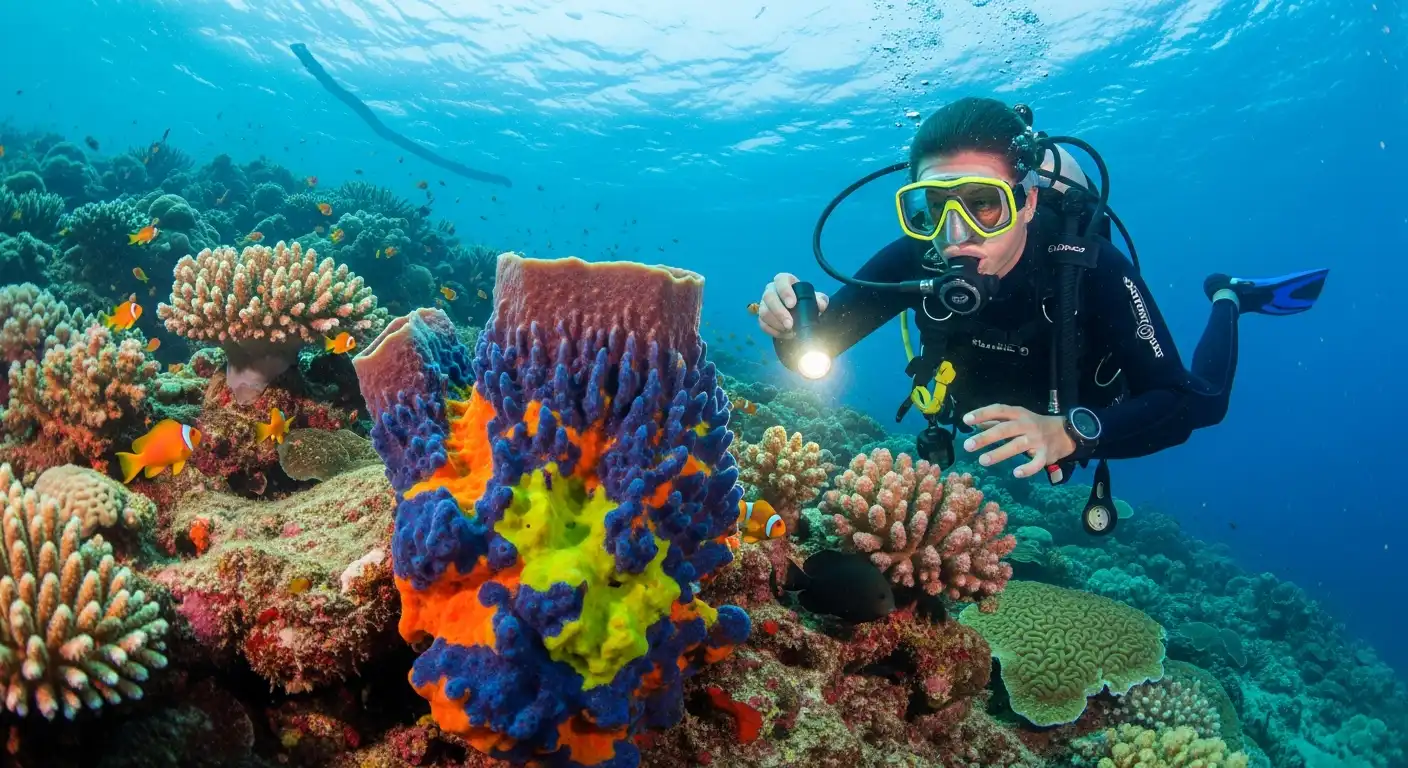
Marine research has a rich history dating back to ancient civilizations, where early explorers and naturalists began documenting marine life and oceanic phenomena. The 19th century saw significant advances through expeditions such as HMS Challenger, which laid the groundwork for modern oceanography. The 20th century brought technological innovations such as scuba diving, remote sensing, and deep-sea submersibles, revolutionizing our ability to study the ocean’s depths and complex ecosystems.
Types of Marine Research
Marine research can be categorized into several key areas:
- Marine Biology: The study of marine organisms, their behaviors, interactions, and the ecosystems they inhabit.
- Oceanography: The exploration of ocean currents, waves, and physical properties of seawater, including temperature, salinity, and pressure.
- Marine Chemistry: The analysis of the chemical composition of seawater and the processes that affect it, such as nutrient cycling and pollution.
- Marine Geology: The investigation of the ocean floor’s structure, composition, and processes, including plate tectonics, sedimentation, and underwater volcanism.
Applications of Marine Research
Marine research has far-reaching applications across various sectors, contributing to environmental conservation, resource management, and scientific discovery:
Climate Change and Environmental Monitoring
Marine research is crucial for understanding the ocean’s role in regulating the climate and the impacts of climate change. Scientists monitor ocean temperatures, acidification, and sea-level rise to predict future climate scenarios and to develop strategies for mitigation and adaptation. Research on marine carbon cycles and phytoplankton productivity helps understand the ocean’s capacity to sequester carbon and influence global climate patterns.
Biodiversity and Conservation
Studying marine biodiversity is essential for conserving marine ecosystems and protecting endangered species. Marine research provides insights into the health of coral reefs, mangroves, and seagrass beds, which are vital habitats for numerous marine species. By identifying areas of high biodiversity and ecological significance, researchers can inform the establishment of marine protected areas (MPAs) and conservation strategies to preserve marine life.
Sustainable Fisheries and Resource Management
Marine research supports sustainable fisheries management by assessing fish populations, breeding patterns, and habitat requirements. This information is vital for setting catch limits, protecting spawning grounds, and ensuring the long-term viability of fish stocks. Research on marine resources, such as minerals and hydrocarbons, also guides sustainable extraction practices and the development of blue economy initiatives.
Ocean Health and Pollution
Understanding the sources and impacts of marine pollution is a key focus of marine research. Scientists investigate the effects of plastic pollution, oil spills, and chemical contaminants on marine ecosystems and organisms. Research on bioremediation and waste management helps develop solutions to mitigate pollution and restore damaged habitats.
Benefits of Marine Research
The benefits of marine research extend beyond scientific knowledge, influencing environmental policies, economic development, and public awareness:
Informed Policy and Decision-Making
Marine research provides the scientific basis for informed policy-making and environmental regulations. Data and insights from marine studies guide the development of policies on marine conservation, fisheries management, and climate change mitigation. Policymakers rely on scientific evidence to balance economic interests with the protection of marine ecosystems.
Economic Opportunities
Marine research benefits the blue economy, which encompasses the sustainable use of ocean resources. Advances in marine biotechnology, renewable energy, and aquaculture create new economic opportunities and drive innovation. Research on marine resources and ecosystems supports tourism, fisheries, and pharmaceutical industries, thereby contributing to economic growth and sustainability.
Public Awareness and Education
Marine research is vital in raising public awareness about the importance of ocean health and conservation. Educational programs, documentaries, and citizen science initiatives engage the public and foster stewardship of the ocean. By communicating the value of marine ecosystems and the threats they face, researchers inspire collective action to protect and preserve the marine environment.
Future Prospects of Marine Research
The future of marine research holds immense potential for further discoveries and technological advancements:
Technological Innovations
Technological advancements will continue to revolutionize marine research. Autonomous underwater vehicles (AUVs), remotely operated vehicles (ROVs), and advanced sensors enable unprecedented precision in the exploration of the deep sea and remote areas. Innovations in genomics and molecular biology will enhance our understanding of marine life and its adaptive mechanisms.
Interdisciplinary Collaboration
Marine research increasingly involves interdisciplinary collaboration, integrating knowledge from various scientific fields to address complex environmental challenges. Collaborative efforts among oceanographers, ecologists, chemists, and engineers will lead to holistic approaches to the study and management of marine ecosystems.
Global Partnerships
International collaborations and partnerships are essential for addressing global marine issues. Initiatives like the United Nations Decade of Ocean Science for Sustainable Development (2021-2030) aim to foster global cooperation in marine research and conservation. Shared data, resources, and expertise will enhance our ability to protect and sustainably manage the world’s oceans.
Climate Resilience and Adaptation
Marine research will play a crucial role in developing climate resilience and adaptation strategies as climate change intensifies. Studies on the impacts of climate change on marine ecosystems and coastal communities will inform measures to enhance resilience and mitigate adverse effects.
Conclusion
Marine research is a cornerstone of our efforts to understand, protect, and sustainably manage the ocean. Marine scientists contribute to climate science, biodiversity conservation, and sustainable development by unveiling the ocean’s mysteries. As technological innovations, interdisciplinary collaboration, and global partnerships advance, marine research will remain at the forefront of environmental stewardship and scientific discovery. The journey toward a deeper understanding of the ocean and its critical role in sustaining life on Earth is ongoing, guided by the promise of knowledge and innovation, and by a shared commitment to a healthy and resilient marine environment.