Key Points:
- President Donald Trump’s naval blockade of the Strait of Hormuz directly threatens a key Chinese energy supply route.
- Chinese President Xi Jinping broke a seven-week silence to warn that the global world order is crumbling into disarray.
- Reports suggest Iran secretly acquired a Chinese spy satellite to target US military bases, a claim Xi Jinping denied.
- Trade tensions are rising just weeks before Trump is scheduled to visit Beijing for high-level diplomatic talks.
President Donald Trump’s aggressive military strategy in the Middle East is creating massive problems with China. The US military currently operates a strict naval blockade to stop Iran from using the Strait of Hormuz. This bold move directly chokes off a critical energy supply route for China. The blockade now risks sparking a massive diplomatic showdown between Trump and Chinese President Xi Jinping, just one month before the two leaders are scheduled to meet face-to-face in Beijing.
The tension broke out into the open on Tuesday. President Xi Jinping finally broke his nearly seven-week silence regarding the ongoing war in Iran. He delivered a stark warning, declaring that the current world order is crumbling into disarray. However, Xi also pledged that China would play a constructive role in stabilizing the Middle East. Meanwhile, the Chinese Foreign Ministry ramped up its own aggressive rhetoric, officially blasting the US naval blockade as a dangerous and irresponsible military action.
This strong language from Beijing proves that Trump’s war in the Middle East is severely testing the fragile detente between the two largest economies in the world. The US military openly threatened to intercept, divert, or even capture any commercial ships violating the blockade. This aggressive stance risks a direct physical confrontation between Chinese-aligned shipping vessels and American Navy warships. Such a clash would immediately put Beijing in a terrible spot, even if the Chinese government actively wants to avoid directly challenging the American blockade.
The fate of one specific vessel highlighted the massive risks of a military miscalculation. A US-sanctioned oil tanker named the Rich Starry, which has links to China but no official ties to the Chinese government, attempted to navigate the tense waters. Tracking data showed the ship sailed through the Strait of Hormuz on Tuesday before suddenly executing a sharp U-turn as it entered the Gulf of Oman, seemingly fleeing the US blockade.
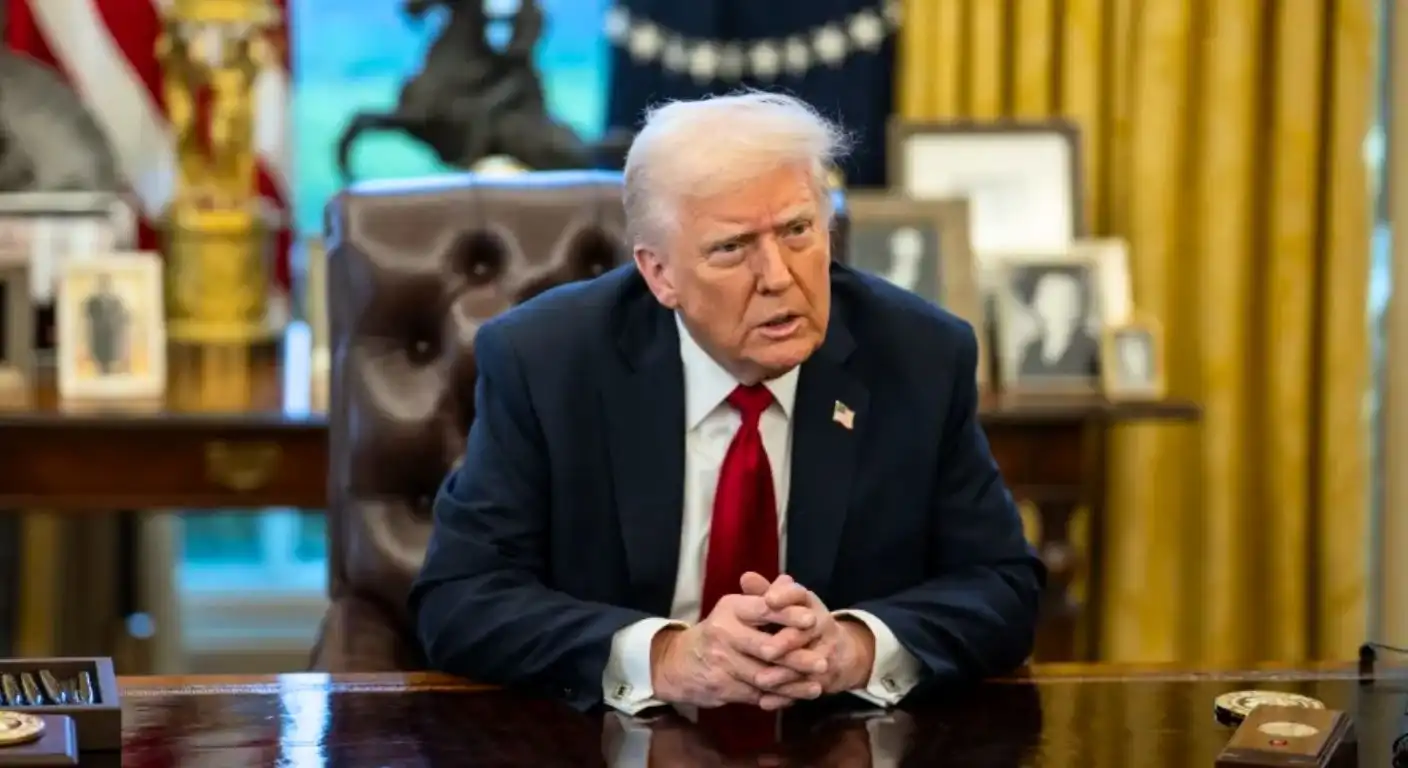
Despite rising tensions, there is currently no sign that Trump will delay his highly anticipated visit to Beijing, scheduled for mid-May. On Tuesday, the President met with David Perdue, the US ambassador to China, to finalize preparations for the massive trip. If the trip goes ahead, it will be the first time a US president has visited the nation since Trump traveled there in 2017. However, the diplomatic mood is darkening quickly. US Treasury Secretary Scott Bessent recently blasted China as an unreliable global partner, accusing the nation of hoarding oil during the crisis.
The situation grew even more complicated on Wednesday. The Financial Times published an explosive report claiming that Iran secretly acquired an advanced Chinese spy satellite. According to the report, this satellite gave the Iranian military a powerful new capability to target US military bases actively. Shortly after the story broke, Trump told Fox Business that he immediately exchanged private letters with Xi Jinping regarding the weapons reports. Trump claimed the Chinese leader responded by essentially denying the allegations.
Trump remains publicly optimistic about his relationship with the Chinese leader. The US president posted on social media that China is very happy with his military efforts to force the opening of the Strait of Hormuz. Trump even predicted that Xi would give him a big, fat hug when he arrived in Beijing.
However, Trump previously threatened to slap massive 50% tariffs on any country caught arming Tehran. He made this threat after separate intelligence reports suggested China was planning to give its longtime diplomatic friend anti-missile weapons. Beijing completely denied these claims, calling them part of a massive American smear campaign. If Trump decides to impose those massive tariffs or actively hurt Chinese economic interests, he threatens to upend a fragile one-year trade truce.
If cornered, China has powerful weapons of its own. Experts believe Beijing would almost certainly retaliate against new US tariffs by cutting off the global supply of rare earth metals. China currently controls roughly 90% of the permanent magnets made with these specific minerals, which are absolutely crucial to modern American manufacturing. The global shipping industry is also watching closely. Free passage through massive maritime choke points like Hormuz is normally protected under international law. If the US military successfully blocks the strait, China fears the Americans might try the same aggressive tactic in the critical Strait of Malacca during a future conflict.