

Key Points:
- China became the first major global economy to eliminate tariffs on imports from 53 African nations, effective May 1.
- The new trade rules will help Namibian farmers export beef, mutton, grapes, and blueberries directly to Chinese buyers.
- Chinese Ambassador Zhao Weiping wants African businesses to process their own raw materials to make higher profits.
- Local experts call the zero-tariff deal a game-changer for small businesses and young African entrepreneurs.
The Chinese Embassy in Namibia hosted a special briefing on Monday afternoon. Officials met with local media members and business experts to explain a massive new trade deal. China officially launched a zero-tariff policy for African countries. This new rule aims to create fresh export opportunities for Namibia and help local factories upgrade their technology.
The massive trade policy went into full effect on May 1. It completely removes import taxes for all 53 African countries that maintain diplomatic relations with China. Embassy officials noted that this move makes China the very first major economy on the planet to drop tariffs for an entire continent. China enacted this policy unilaterally, meaning African nations do not have to cut their own taxes to enjoy the massive financial benefits.
Zhao Weiping serves as the Chinese Ambassador to Namibia. He spoke directly to the crowd about the ultimate goals of the new project. Zhao explained that China wants to do much more than simply buy more African goods. He wants to encourage nations like Namibia to move higher up the global value chain. Instead of just selling raw materials at low prices, he hopes African companies will start manufacturing finished goods that sell for a premium.
By removing expensive border taxes, the Chinese government expects to destroy major entry barriers for African businesses. The embassy staff explained that the zero-tariff rule will instantly make Namibian products much more competitive in busy Asian markets. Without heavy taxes holding them back, local companies can secure a stable and reliable flow of customers in China. This stability allows business owners to plan their finances years in advance.
The embassy highlighted several specific Namibian products that will see an immediate boost in sales. Local farmers produce high-quality beef and mutton that Chinese buyers eagerly want on their dinner tables. The trade agreement also opens the door for wild aquatic products, fresh grapes, and sweet blueberries. Once both countries finalize the required health inspections and export paperwork, these food items will flood into Chinese grocery stores.
Ambassador Zhao emphasized the absolute need for a major shift in Namibia’s approach to business. Right now, the country mainly digs up raw materials and ships them overseas. Zhao said the new policy gives local leaders a perfect reason to invest heavily in modern processing plants. He urged companies to invest millions of dollars in improved packaging facilities, faster logistics networks, and rigorous quality certification systems to meet international standards.
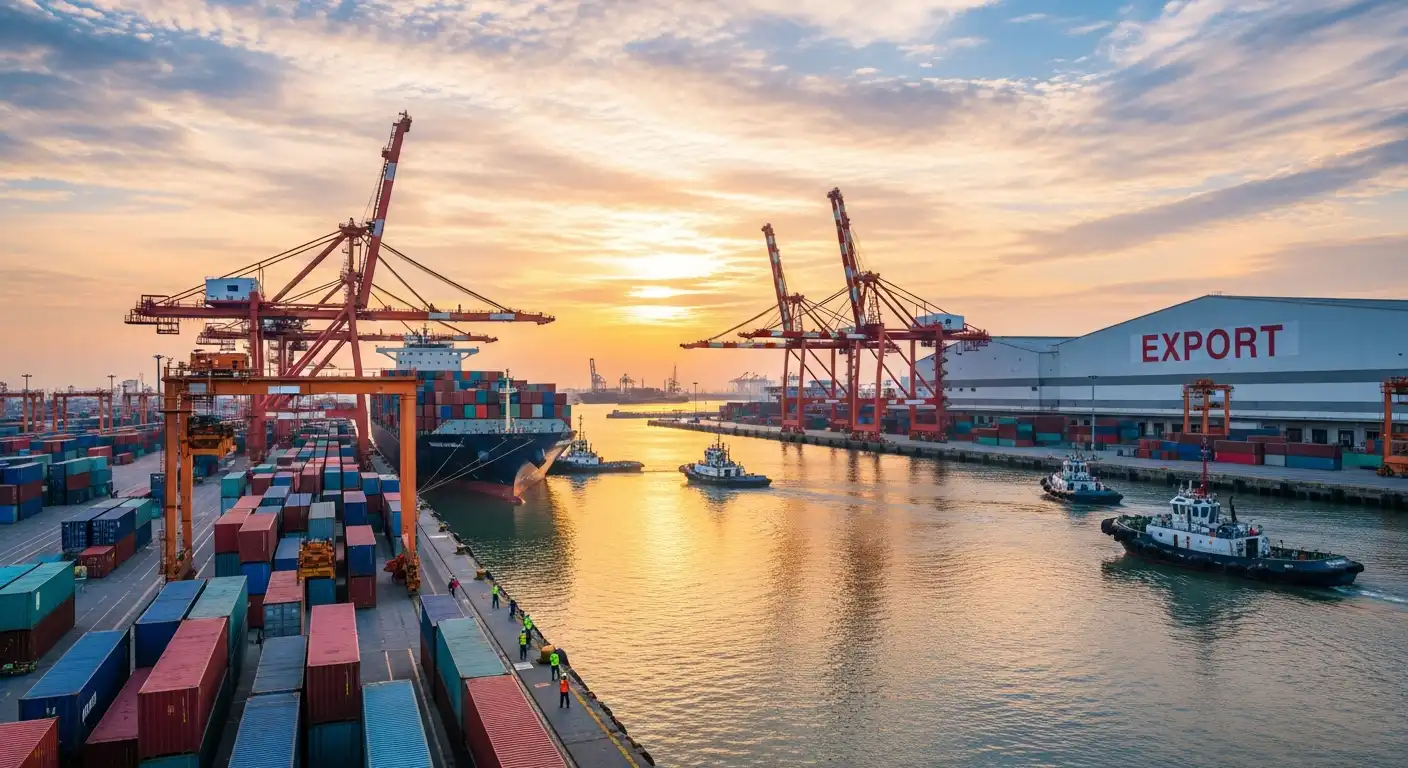
This surge in international trade will likely transform Namibia’s physical landscape. The embassy expects the country to strengthen its position as a primary logistics hub for the entire southern African region. As export demand skyrockets over the next 5 years, the national government will need to upgrade its major transport infrastructure. Construction crews will likely build wider highways and expand deep-water ocean ports to handle the extra cargo ships arriving every week.
Namibian business experts reacted very positively to the announcement on Monday. Josef Sheehama works as a prominent business and economics researcher in the country. He spoke to reporters right after the embassy briefing ended. Sheehama confidently described the zero-tariff policy as a massive game-changer for both Namibia and the rest of the African continent. He expects the local economy to grow rapidly as new trade routes open up.
Sheehama firmly believes the new rules will drastically expand the reach of local farmers and factory owners. He sees this as a rare golden opportunity for African businesses to grow their profits and hire thousands of new local workers. Selling products to a massive market of over 1.4 billion Chinese consumers offers endless possibilities for financial success and long-term business expansion.
Philip Josef, a local media practitioner, also shared his thoughts on the trade deal. He called the policy a very positive step forward for the local economy. He pointed out that small and medium-sized enterprises will benefit the most from the tax breaks. The new rules also give young, ambitious entrepreneurs a real chance to sell their unique products directly to the massive Chinese market without facing impossible entry fees.
While he praised the immediate financial benefits, Josef also offered a slight warning to his fellow citizens. He urged Namibian business leaders to think far beyond the first few years of easy profits. He wants the country to figure out exactly how to make these economic gains sustainable for the long term. If Namibia builds strong factories and reliable shipping routes now, the entire country will reap the rewards for decades to come.






