Key Points:
- OpenAI introduced its popular Codex programming tool to the ChatGPT mobile app on both iOS and Android.
- Developers can now review code, fix software bugs, and approve changes remotely using just their mobile phones.
- The mobile connection currently works only with Apple macOS computers, though OpenAI plans to release Windows support soon.
- OpenAI made this move to attract business customers and fight off fierce competition from Anthropic and its Claude Code tool.
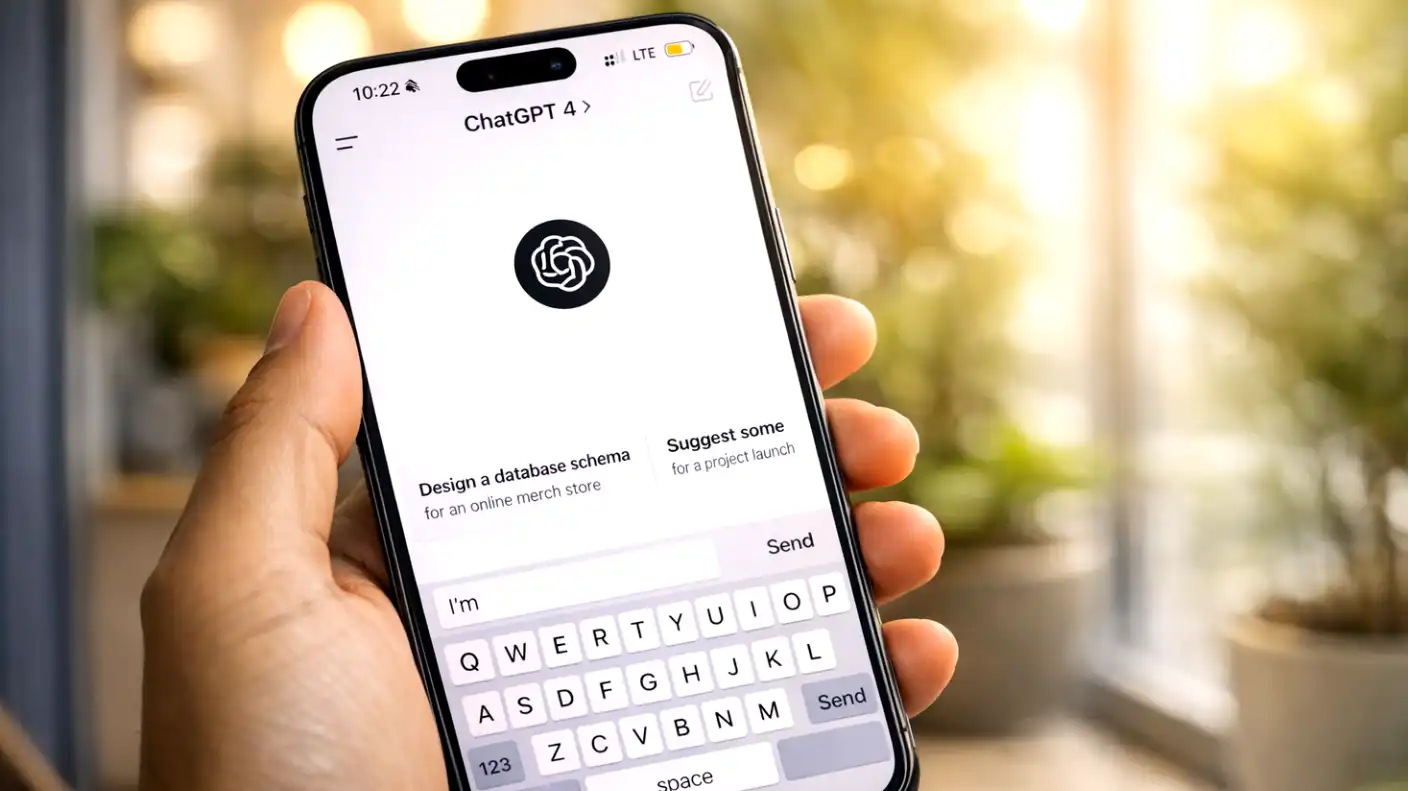
OpenAI made a major announcement on Thursday regarding its popular coding tool, Codex. The company officially added Codex to the ChatGPT mobile app. This exciting update gives software engineers the power to manage their programming projects directly from their smartphones. By bringing these advanced coding features to mobile devices, OpenAI wants to make life much easier for busy developers. Programmers can now step away from their bulky monitors but still keep a close eye on their daily work.
The market for artificial intelligence coding assistants is growing every day. Technology companies realize that developers constantly look for tools to write code faster and with fewer mistakes. Right now, these advanced coding tools serve as the number 1 way for AI companies to attract wealthy business customers. OpenAI faces intense competition in this specific space. Rival companies fight hard to win over the same users. For example, Anthropic recently released its Claude Code tool, and developers quickly started using it to build complex applications.
Codex brings a massive set of skills to the programming table. The tool can write entirely new software features based on a few simple English instructions. If a programmer gets stuck on a difficult problem, they can ask Codex specific questions about their existing codebase. The artificial intelligence quickly reads thousands of lines of code and explains exactly how the system operates. It also hunts down frustrating bugs and fixes them so the software runs perfectly. Finally, the tool can propose pull requests, which programmers use to suggest formal changes to an official project.
The new mobile integration solves a very specific problem for technology workers. Before Thursday, a developer had to sit directly in front of their computer to guide the AI. Now, users simply open the ChatGPT app on their phones. They securely connect to their remote work machines, where Codex actually runs. This fast remote connection keeps people completely in the loop. They can travel to a meeting, grab a quick lunch, or commute home without losing track of their ongoing projects.
Once connected through the smartphone screen, developers can perform several highly important actions. They can review the exact code the AI just wrote and check for any glaring errors. If the new code looks good, they tap a button to approve the changes instantly. They can also tell the AI to start working on brand new tasks. This means the computer back at the office keeps working at 100% capacity while the human manager controls everything from a tiny mobile screen.
OpenAI originally launched the desktop version of this tool back in February. Thousands of developers tested the desktop application and used it to speed up their daily workflow. Now, the company feels ready to expand the product to a wider audience. They rolled out the mobile version as a special preview for their current users. Anyone who downloads the ChatGPT app on the 2 major smartphone platforms, iOS and Android, can try the feature today.
Right now, the mobile system comes with 1 major limitation. The app can only connect to machines running macOS. Apple users get to enjoy the remote feature first, which leaves many PC developers waiting on the sidelines. However, OpenAI clearly stated that Windows support will arrive very soon. Adding Windows compatibility will open the door for millions of additional programmers who rely on PCs to do their jobs.
This mobile expansion highlights a much broader business strategy for OpenAI. The company desperately wants its artificial intelligence tools to live everywhere people go. By pushing features directly to the phone, they make the technology feel like a constant, helpful companion. A developer no longer views the AI as just a rigid desktop program. Instead, the tool transforms into a 24-hour digital assistant that lives right in their pocket.
Giving programmers remote access to complex AI agents fundamentally changes how people think about their jobs. A software engineer no longer needs to panic if a server crashes while they sit on a train. They simply pull out their phone, ask the AI to find the problem, and approve the fix within 5 minutes. This incredible level of convenience saves companies thousands of dollars in lost productivity. It also prevents stressful late-night trips back to the office building.
As the fierce competition between OpenAI, Anthropic, and other tech giants heats up, everyday developers win the ultimate prize. These massive companies will keep pushing boundaries and spending over $1 billion to win over new users. The high-stakes race to build the smartest coding assistant forces everyone in the industry to innovate faster. With Codex now built into the ChatGPT mobile app, OpenAI took a massive step toward making artificial intelligence an everyday tool for the modern workforce.