Key Points:
- Oil prices climbed for a third consecutive day, pushing Brent crude near $110 per barrel and West Texas Intermediate above $106.
- US President Donald Trump issued a stark warning to Iran on social media, demanding a swift deal to reopen the Strait of Hormuz.
- Oil prices have soared by over 50% since the conflict began in late February, severely disrupting energy supplies in the Middle East.
- Israel indicated it is fully prepared to resume military strikes on Iranian targets if diplomatic efforts fail to resolve the crisis.
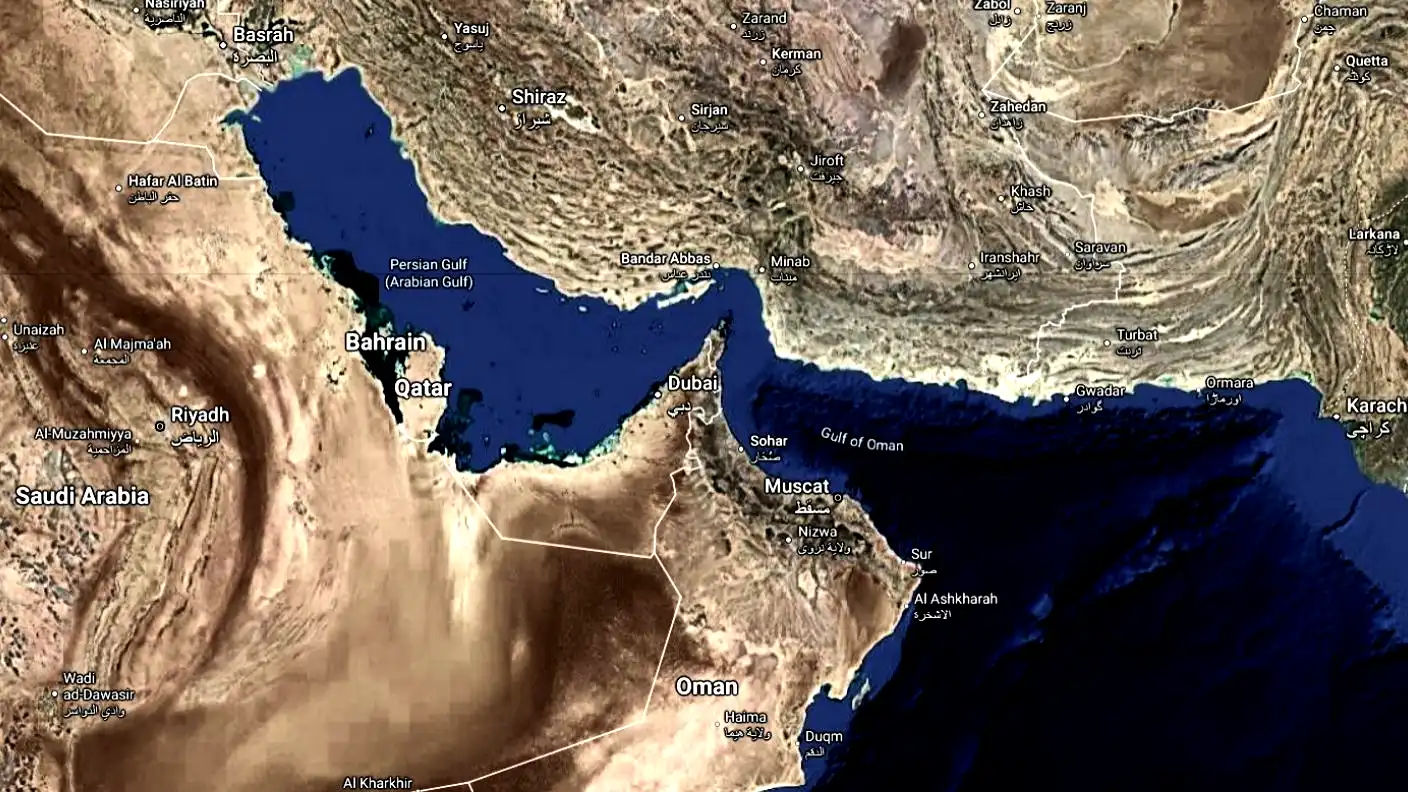
Global oil prices climbed for a third straight day as tensions in the Middle East reached a boiling point. US President Donald Trump ramped up his public pressure campaign against Iran, demanding an immediate end to the weeks-long conflict. His primary goal is to force the reopening of the Strait of Hormuz, a critical global shipping chokepoint that currently remains paralyzed by the ongoing war.
The financial markets reacted swiftly to the escalating geopolitical rhetoric. Brent crude, the international benchmark, advanced near $110 a barrel during early trading. This latest increase follows a significant jump of almost 8% recorded just last week. Similarly, the US benchmark, West Texas Intermediate, rose above $106. Traders remain on edge as disruptions to Middle Eastern oil flows create severe supply anxieties.
President Trump took to social media on Sunday to issue a direct and forceful ultimatum to the Iranian government. He warned that the clock is ticking for Iran and demanded they move fast to secure a peace deal. The president threatened severe consequences, stating that there would be nothing left of them if they failed to comply, emphasizing that time is of the essence.
In response to the mounting pressure, Iran stated on Monday that it is maintaining a dialogue with the United States through diplomatic channels in Pakistan. A spokesperson for the Iranian foreign ministry also noted that Tehran is in continuous contact with Oman. These regional discussions aim to develop a framework for safe passage through the contested Strait of Hormuz, though progress remains slow.
The global energy market has experienced a massive shock since the United States and Israel first launched military strikes against Iran at the end of February. The resulting conflict has subdued oil flows through the Strait of Hormuz, severely crimping the supply from major Persian Gulf producers. Since the start of the war, oil prices have skyrocketed by more than 50%.
Financial analysts warn that the situation is becoming increasingly precarious. Morgan Stanley noted last week that the market is in a race against time. The investment bank cautioned that the underlying factors that have somewhat restrained massive price spikes will come under severe strain if the vital waterway remains closed heading into June.
Arne Lohmann Rasmussen, the chief analyst at A/S Global Risk Management, provided insight into the current market dynamics. He explained that the market is fundamentally adjusting to the growing risk that a closure of the Strait of Hormuz could drag on indefinitely. Rasmussen added that the market also fears the war could break out again, noting that Trump has returned to his initial strategy of threatening his way to a peace agreement.
Adding further upward pressure on global oil prices, the Trump administration recently allowed a crucial waiver for Russian crude sales to lapse. This policy decision effectively removes more oil from the global market. The administration let the measure expire despite a direct request from the government of India, a major energy importer, to extend the waiver and help stabilize prices.
The fragility of the current situation was underscored by fresh violence over the weekend. Drone attacks explicitly targeted energy facilities in the Persian Gulf. One such attack sparked a significant fire at a nuclear facility located in the United Arab Emirates. This incident highlights how quickly the regional security situation can deteriorate, even during tentative negotiations.
Reports emerging from semi-official news outlets inside Iran suggest that the two sides remain far apart at the negotiating table. The Mehr news agency reported that Washington has offered no tangible concessions. The agency accused the US of seeking concessions through diplomacy that it failed to secure during the active war, predicting that this approach would inevitably lead to an impasse.
Behind the scenes, the US administration is actively planning its next moves. Axios reported that President Trump met on Saturday with a high-level team, including Vice President JD Vance, White House envoy Steve Witkoff, Secretary of State Marco Rubio, and CIA Director John Ratcliffe. The group convened to discuss the ongoing war and is expected to hold another national security meeting on Tuesday.
The threat of renewed military action remains very real. Zev Elkin, a member of the security cabinet for Israeli Prime Minister Benjamin Netanyahu, confirmed that Israel stands ready to act. Elkin stated on Kan radio that his country is poised to resume strikes on Iran should Trump give the signal, affirming that they have specific targets they want to hit. Since the temporary ceasefire began on April 8, Trump has repeatedly threatened to resume the heavy bombing campaign that originally commenced on February 28.