Key Points:
- Central bank independence is facing significant regional pressure as policymakers deploy unpopular rate hikes to fight soaring inflation.
- At a conference in Dubrovnik, IMF official Helge Berger described the current policy environment as “hand-to-hand combat” for bankers.
- U.S. President Donald Trump has repeatedly demanded lower interest rates, testing the Federal Reserve’s historical autonomy.
- High levels of sovereign debt are acting as a major constraint, preventing central banks from tightening policy without risking a debt crisis.
A major global struggle is unfolding across the international financial system as central bank independence is again coming under severe strain. During a monetary policy conference in Dubrovnik, Croatia, on Saturday, May 30, 2026, leading economists and central bankers warned that political interference is rising globally. As central banks push through historically unpopular interest rate hikes and delay expected cuts to curb surging consumer prices, they are running headfirst into intense pushback from elected governments, threatening to erode public trust and worsen the inflation crisis.
The primary driver behind this regulatory friction is the ongoing energy shock and trade disruptions stemming from the war in the Middle East. The conflict has severely impacted global supply chains, keeping crude oil and logistics costs elevated. This persistent commodity shock has forced global central banks to keep interest rates higher for longer to stop a one-off energy spike from becoming permanently entrenched in the real economy. Consequently, these high borrowing costs have drawn fierce criticism from politicians who want cheap money to stimulate their local economies.
During a panel discussion at the Dubrovnik conference, Helge Berger, the deputy director of the International Monetary Fund’s (IMF) European Department, delivered a highly candid assessment of the current central banking landscape. He noted that while it is exceptionally easy to be an independent central banker when inflation is low and stable, the situation becomes highly complicated when prices rise, and policymakers must implement unpopular measures. Berger described the current fight against inflation as “hand-to-hand combat,” emphasizing that central banks must get this current situation right to preserve their long-term credibility.
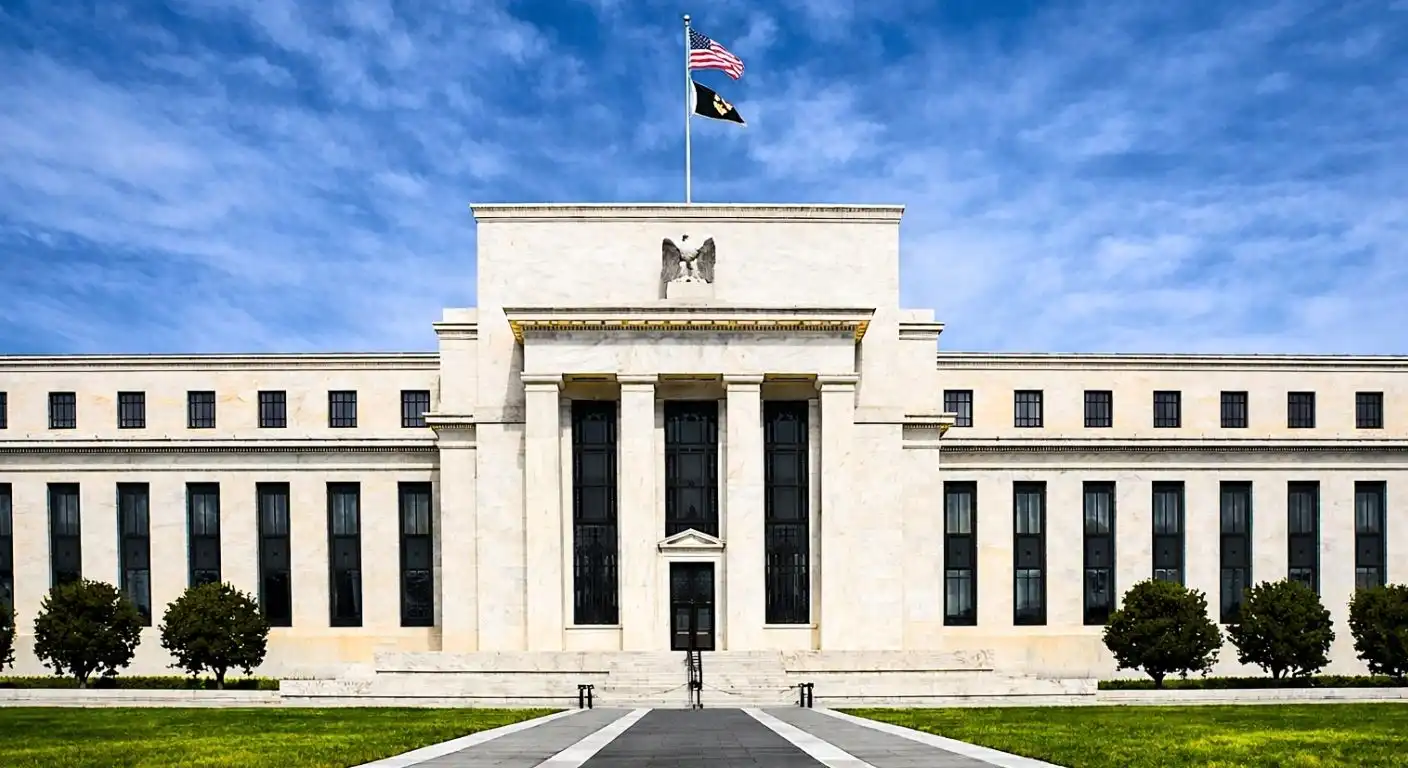
The most visible and high-profile challenge to monetary autonomy is currently playing out in the United States. Just hours after hosting the swearing-in ceremony for new Federal Reserve Chairman Kevin Warsh on May 22, 2026, President Donald Trump publicly demanded that the central bank cut interest rates quickly. Although Trump verbally stated that he wants Warsh to remain independent, his rapid and public calls for rate cuts have placed the newly appointed Fed chief under immense pressure, especially as U.S. inflation currently hovers at 3.8%, nearly two percentage points above the Fed’s 2% target.
However, the threat to central bank independence extends far beyond the United States, taking on subtler and more diverse forms in other regions of the world. In multiple developing and developed economies, governments are increasingly asking central banks to tailor their monetary policies to support specific industrial and green development goals. Other governments are pressuring monetary authorities to transfer their central bank profits directly into national treasuries to cover state budget deficits, thereby compromising the non-partisan nature of these financial institutions.
Furthermore, historically high levels of national sovereign debt are acting as a major, silent constraint on central bank autonomy. When governments run massive fiscal deficits and accumulate trillions of dollars in debt, higher interest rates—the traditional central bank tool used to cool inflation—become exceptionally dangerous. Higher rates dramatically increase the cost of servicing state debt, raising the risk of triggering a sovereign debt crisis. This fiscal dominance effectively limits a central bank’s ability to tighten policy, forcing policymakers to accept higher inflation to prevent a state-level default.
This erosion of independence carries catastrophic consequences for global financial markets and price stability. If bond investors and currency traders begin to doubt a central bank’s independent commitment to fighting inflation, they will immediately begin to price in future policy accommodation and currency devaluations. This loss of market trust automatically drives up long-term bond yields and weakens local currencies, making imports far more expensive. Once these inflation expectations become de-anchored, bringing prices back under control becomes significantly more difficult and expensive, requiring far more restrictive policies later on.
To protect their autonomy and restore public trust, central bank watchers argue that policymakers must remain highly disciplined and transparent. Central banks must focus their communications and actions squarely on achieving their inflation targets, ignoring short-term political election cycles. By delivering predictable, data-driven policy adjustments—which can protect GDP from a potential 1.5% contraction during crises—and resisting the temptation to fund government budgets, central banks can demonstrate their non-partisan value, proving to both the public and legislators that independent monetary policy remains the most effective tool to secure long-term economic stability.
As the global economy continues to navigate the inflationary fallout of the Middle East conflict, the defense of central bank independence has become a critical battleground. The insights shared by Helge Berger and other policymakers in Dubrovnik highlight that monetary autonomy is not a luxury but a vital cornerstone of a healthy economic system. By standing firm against political interference and focusing on price stability, central banks can protect the purchasing power and livelihoods of their citizens, ensuring that short-term political interests do not compromise the long-term health of the global financial system.