Key Points:
- Incumbent Hideyo Hanazumi secured a decisive third term as Niigata Governor, winning 554,012 votes in Sunday’s subnational election.
- The high-stakes race served as the first public referendum since Hanazumi approved restarting the world’s largest nuclear plant, Kashiwazaki-Kariwa.
- Prime Minister Sanae Takaichi’s ruling Liberal Democratic Party heavily backed Hanazumi’s campaign to build momentum for atomic energy.
- Opposition candidates Ryugo Tsuchida and Satoshi Annaka focused their campaigns on anti-nuclear criticism but failed to secure a majority.
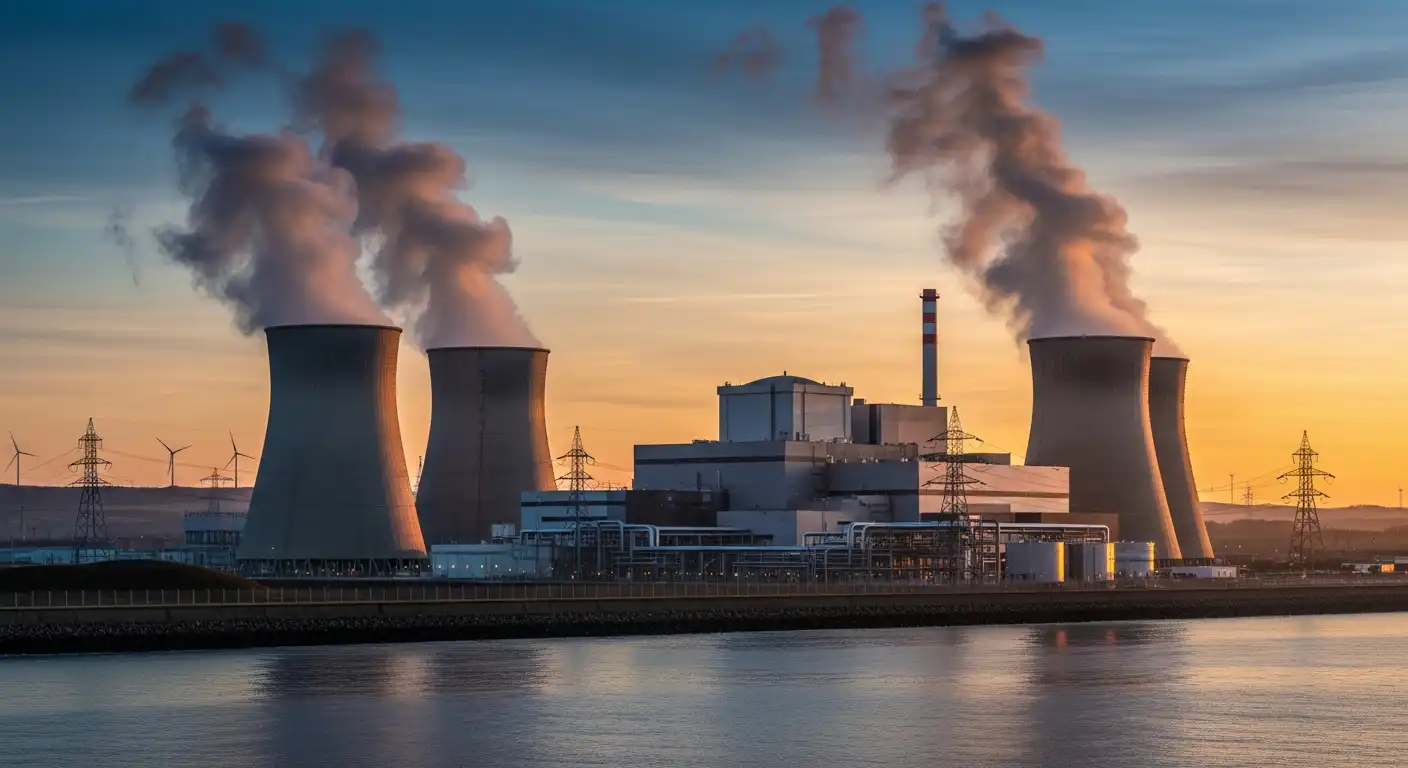
Voters in Japan’s central Niigata Prefecture cast their ballots on Sunday, May 31, 2026, delivering a crucial victory to the pro-nuclear establishment. Incumbent Governor Hideyo Hanazumi claimed a third consecutive four-year term in the highly watched gubernatorial election. This election represents the first public referendum since the 68-year-old governor gave the official go-ahead to restart Tokyo Electric Power Company Holdings’ (TEPCO) Kashiwazaki-Kariwa nuclear facility, the world’s largest nuclear power plant. The result will likely embolden the national government’s aggressive campaign to revive Japan’s idle atomic energy infrastructure.
According to the final official election results, Hanazumi garnered a commanding 554,012 votes, easily defeating his two independent rivals. Ryugo Tsuchida, a 38-year-old former Niigata prefectural assembly member backed by the Constitutional Democratic Party of Japan and the Social Democratic Party, finished second with 230,721 votes. Meanwhile, Satoshi Annaka, a 48-year-old former municipal assembly member of the city of Gosen, secured 43,089 votes. Total voter turnout stood at 47.40%, representing a slight decline from the 49.64% recorded during the previous gubernatorial election in 2022.
Hanazumi ran as an independent, but a powerful coalition of political forces backed his candidacy. The ruling Liberal Democratic Party (LDP), led by newly elected Prime Minister Sanae Takaichi, championed Hanazumi’s campaign as a top strategic priority. The LDP partnered with the prefectural chapters of Komeito, the Japan Innovation Party, and the Democratic Party for the People to deliver a highly coordinated grassroots operation. Takaichi’s administration wants to build strong political momentum ahead of unified local elections next year, using Hanazumi’s victory to validate the government’s pro-nuclear economic growth strategy.
The Kashiwazaki-Kariwa plant, located roughly 220 kilometers northwest of Tokyo, has been the center of intense debate since 2011. Following the devastating earthquake and tsunami that triggered meltdowns at TEPCO’s Fukushima Daiichi plant, Japanese authorities pulled the plug on all 54 of the nation’s nuclear reactors. For nearly 15 years, Kashiwazaki-Kariwa’s seven reactors remained completely offline. The resource-poor nation has struggled with soaring energy costs ever since, relying heavily on expensive, imported fossil fuels to keep its power grids stable.
The road to the plant’s restart accelerated dramatically in late 2025. In November 2025, Governor Hanazumi officially approved the restart of Kashiwazaki-Kariwa’s No. 6 reactor, marking the first time TEPCO would restart a nuclear facility since the Fukushima disaster. Just a month later, in December 2025, Niigata’s 53-seat regional assembly passed a vote of confidence and approved a supplementary budget bill to endorse Hanazumi’s decision. This local legislative victory cleared the final regional hurdle, leaving the Nuclear Regulation Authority to grant final technical permission for a physical restart.
During the 17-day campaign trail, Hanazumi tried to steer clear of single-issue nuclear debates, choosing instead to focus on broader regional accomplishments and economic stability. He emphasized his administrative and fiscal reforms over his eight years in office and highlighted the 2024 registration of the historic Sado Island gold mines as a UNESCO World Heritage site. To appeal to young families, the governor pledged to enhance child-rearing support systems and roll out a comprehensive economic development strategy designed to halt the prefecture’s persistent population drain.
In contrast, both Tsuchida and Annaka built their entire campaigns around fierce criticism of the governor’s nuclear policy. The opposition candidates argued that Hanazumi’s administration ignored the true safety concerns of Niigata residents and rushed the approval process without proper public consent. Annaka centered his street speeches almost exclusively on a demand to permanently decommission the Kashiwazaki-Kariwa facility, arguing that the region’s active seismic fault lines make running the plant a dangerous gamble. While these anti-nuclear arguments resonated with a passionate activist base, they failed to convince the broader, economically squeezed electorate.
Japan’s national pivot back to nuclear energy is not just about reducing immediate import costs; it is a critical strategy to power the future digital economy. The rapid rise of artificial intelligence and high-density data centers has triggered an unprecedented surge in electricity demand across Japan. To meet these growing computing needs while simultaneously achieving its target of carbon neutrality by 2050, the country must expand its clean energy mix. Prime Minister Takaichi has repeatedly argued that solar and wind alone cannot provide the stable baseload electricity required to run massive supercomputing hubs, making a return to nuclear power an absolute necessity.
Hanazumi’s victory on Sunday officially cements Niigata’s path toward a clean energy transition, providing a powerful blueprint for other regional governments across Japan. As TEPCO prepares to bring the first of Kashiwazaki-Kariwa’s seven reactors back online, the successful election outcome will likely pave the way for other idled plants to resume operations. While anti-nuclear protesters continue to stage demonstrations outside the Prime Minister’s residence in Tokyo, the ballot box has delivered a clear verdict. Niigata’s voters have chosen long-term economic stability and energy security, setting the stage for a major nuclear renaissance in the world’s fifth-largest greenhouse gas emitter.