Key Points:
- French President Emmanuel Macron announced that global companies have pledged a staggering €93 billion ($108 billion) across 71 projects at the Choose France Summit 2026.
- The massive investment commitments, which will create more than 15,600 jobs, reinforce France’s position as Europe’s leading destination for foreign direct investment.
- SoftBank Group led the summit’s announcements, pledging an initial €45 billion to build 3.1 gigawatts of AI data center capacity in the Hauts-de-France region by 2031.
- France is actively leveraging its operational fleet of 57 nuclear reactors to pitch itself as the ultimate clean-energy haven for power-hungry artificial-intelligence workloads.
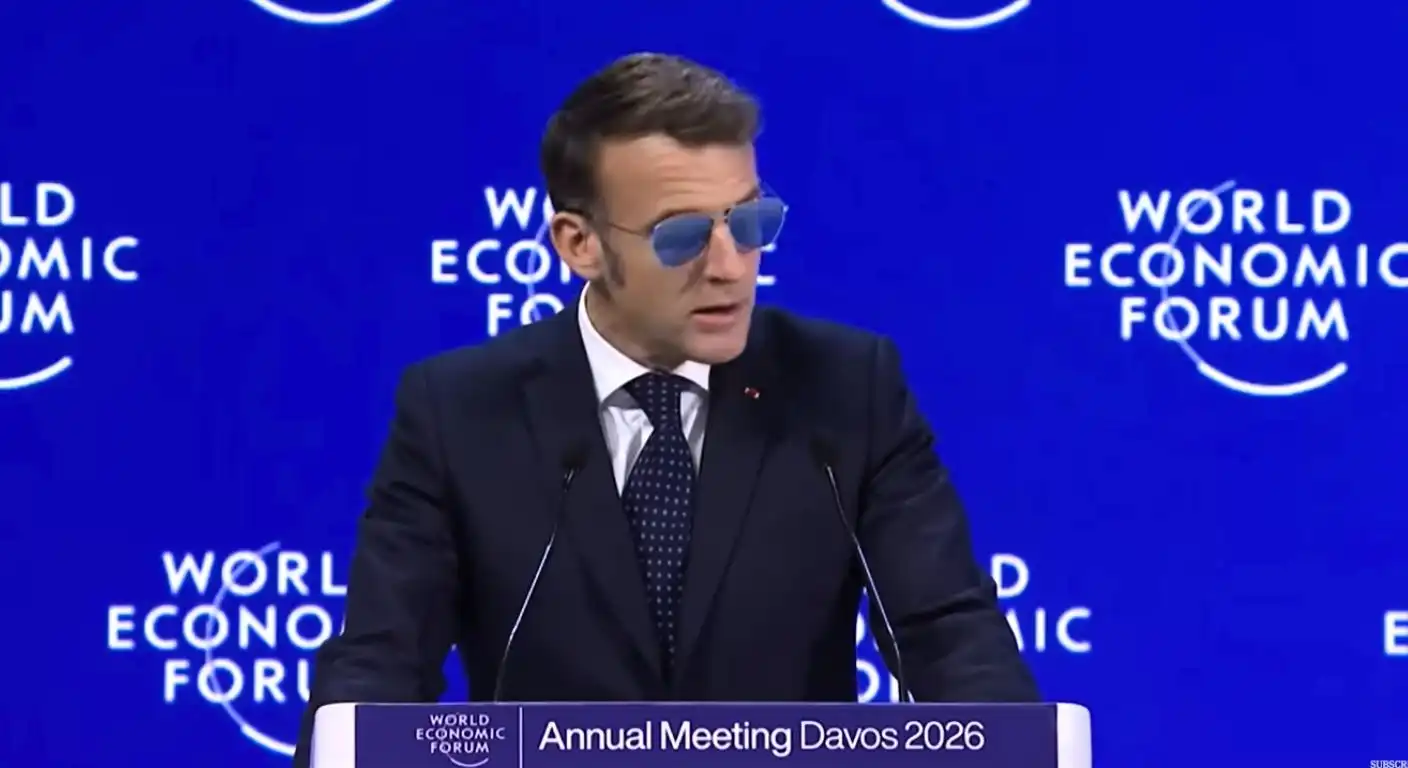
In a major victory for Europe’s tech economy, French President Emmanuel Macron announced a massive wave of foreign investment on Monday, June 1, 2026. Speaking from the historic Palace of Versailles, Macron revealed that global corporations have committed a record-breaking €93 billion, which equals approximately $108 billion, to develop domestic business projects. The 9th edition of the annual Choose France Summit successfully gathered more than 200 international corporate executives, researchers, and tech founders from some 50 countries. This immense capital influx will fund 71 distinct projects across the country, creating over 15,600 new high-tech and industrial jobs for French citizens.
While past summits focused heavily on traditional manufacturing and logistics, the 2026 edition has firmly placed artificial intelligence and next-generation digital infrastructure at the center of France’s economic strategy. The French government has worked relentlessly to position the country as Europe’s premier tech superpower, actively competing against rival hubs in Germany and the United Kingdom. By targeting high-value, cutting-edge sectors, France wants to move beyond simple manufacturing to build the physical foundations of the 21st-century digital economy, ensuring that local regions become hotbeds of innovation, research, and high-paying employment.
The undisputed star of the Choose France Summit 2026 was Masayoshi Son, the billionaire founder and CEO of Japanese technology conglomerate SoftBank Group. SoftBank grabbed the headlines by pledging an initial €45 billion to construct a massive network of three state-of-the-art AI data centers in the northern Hauts-de-France region. The highly ambitious project aims to deliver 3.1 gigawatts of computational capacity by 2031, with the total investment potentially rising to €75 billion to expand overall capacity to 5 gigawatts. This massive computing footprint will provide European startups, researchers, and enterprise clients with the raw processing power needed to train and run next-generation artificial intelligence models.
During his press conference in Versailles, SoftBank CEO Masayoshi Son outlined a far larger, global vision for the computing infrastructure. “The AI data center investment is €75 billion, but if you include chips and systems, it is going to be close to $750 billion,” Son told reporters, emphasizing the sheer scale of the hardware ecosystem. He clarified that SoftBank does not intend to fund the entire $750 billion amount from its own balance sheet. Instead, the investment giant will use complex project-finance structures and collaborate closely with global hyperscale customers, such as Microsoft, Amazon, and Google, who are desperate to secure high-performance computing capacity.
The primary reason SoftBank and other tech giants are flocking to France is the country’s unique energy profile. Artificial intelligence data centers require massive, uninterrupted electricity supplies, creating severe grid bottlenecks in other European nations that rely on unstable solar and wind energy. Macron has actively leveraged France’s operational fleet of 57 nuclear reactors to market the country as a low-carbon, clean-energy haven for power-hungry computing clusters. The president summarized this aggressive infrastructure strategy under the playful, pro-growth slogan, “plug, baby, plug,” reminding global executives that France possesses the decarbonized baseload power needed to keep servers running safely around the clock.
SoftBank’s mega-project will not develop in isolation; it relies heavily on deep partnerships with established French industrial champions. State-owned nuclear giant EDF and engineering firm Schneider Electric have joined the initiative as primary partners to build out the high-voltage electrical connections and high-efficiency liquid cooling systems required to keep the data centers running smoothly. This localized supply chain integration ensures that a significant portion of the €45 billion investment will flow directly into the French domestic economy, supporting local electrical component manufacturers, civil construction firms, and high-tech grid engineers.
The spectacular success of the Choose France Summit 2026 solidifies France’s position as Europe’s most attractive destination for foreign direct investment. For the seventh consecutive year, the annual EY Attractiveness Survey has ranked France at the very top of European investment tables, ahead of historical rivals like the United Kingdom and Germany. Since President Macron first launched the summit in 2018, the initiative has successfully secured more than €180 billion in cumulative investment commitments, supporting the creation of over 178,000 direct and indirect jobs across France’s diverse regions.
Initially conceived in 2018 as a bold marketing campaign to reform France’s global reputation as a high-tax, rigid economy, the Choose France Summit has evolved into a vital economic engine. Macron’s hands-on, highly personal approach to courting global corporate elites at the opulent Palace of Versailles has successfully shifted investor perceptions. By meeting privately with CEOs, offering tailored tax incentives, and streamlining local regulatory processes, the French government has proved that a large European welfare state can still maintain a highly competitive, pro-business investment climate that attracts the world’s most innovative technologies.
Ultimately, the €93 billion in investment pledges secured at the Palace of Versailles represents a massive vote of confidence in Europe’s technological future. As international trade tensions and supply chain vulnerabilities put pressure on global markets, France is actively building the physical and digital foundations to ensure European technological sovereignty. By combining robust, low-carbon nuclear power with massive private capital from partners such as SoftBank, France is demonstrating that it can lead the global transition to artificial intelligence. The coming decade will reveal whether these massive projects can successfully transform France into the undisputed computing capital of Europe. Still, for now, the summit’s record-breaking results prove that the continent remains a powerful force in the global technology race.