Key Points:
- China’s foreign exchange reserves rose to $3.4422 trillion at the end of May, marking a 0.93% monthly increase.
- The total reserve size climbed by $31.7 billion compared to April, driven by currency translation and rising global asset prices.
- A strengthening U.S. dollar index and overall gains in global financial markets during May supported the valuation of China’s extensive foreign currency holdings.
- Officials at the State Administration of Foreign Exchange emphasized that the country’s steady domestic economic growth provides a solid baseline for reserve stability.
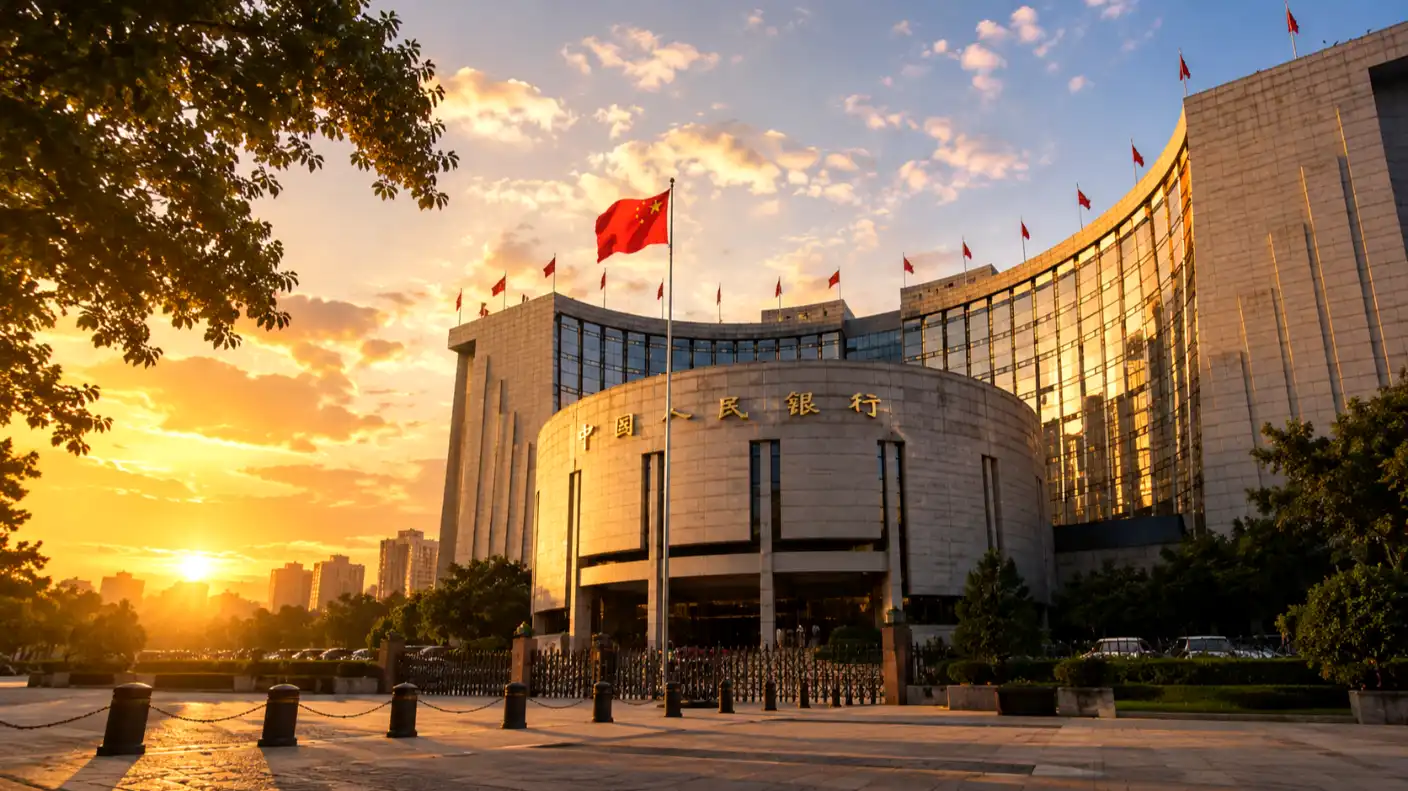
A highly resilient domestic economy and a favorable shift in global asset valuations have pushed China’s massive foreign currency reserves to their highest level in several months. On Sunday, June 7, 2026, the State Administration of Foreign Exchange (SAFE) released official data showing that China’s foreign exchange reserves rose to $3.4422 trillion at the end of May. This impressive total represents a monthly increase of $31.7 billion, or 0.93 percent, from the end of April. The steady expansion highlights the robust financial foundation of the world’s second-largest economy, demonstrating that Beijing can maintain monetary stability even amid intense global interest-rate volatility.
The primary forces driving this monthly reserve expansion stem from a complex mix of global macroeconomic shifts and changing expectations regarding central bank policies. In its official statement on Sunday, SAFE explained that the global macroeconomic environment and the evolving monetary policy outlooks of major industrialized economies heavily influenced international markets throughout May. As investors adjusted their portfolios to prepare for divergent interest rate paths in the United States and Europe, the U.S. dollar index rose notably. At the same time, major global financial asset prices recorded overall gains.
To understand how these global shifts translate into a larger reserve size, one must look at the mathematical impact of currency translation and asset revaluation. China’s central bank holds its massive reserves in a highly diversified portfolio of international assets, including U.S. Treasury bonds, European sovereign debt, and various corporate equities. When global financial markets rally, the market value of these underlying securities increases, boosting China’s overall reserve valuation. This asset price appreciation successfully offset the downward valuation pressure typically associated with a strengthening U.S. dollar, which depreciates the relative value of non-dollar currencies within the reserve basket.
Beyond the short-term fluctuations of global bond and stock markets, a steady domestic economic recovery provides the ultimate, long-term foundation for China’s reserve stability. SAFE noted that the Chinese economy is successfully maintaining its momentum of steady growth, showing solid, high-quality progress in advancing its manufacturing, industrial, and high-tech sectors. This robust domestic output generates reliable, long-term capital inflows, ensuring that the country’s central bank can comfortably defend the stability of the Chinese yuan against speculative short-term trading.
The global macroeconomic backdrop throughout May has remained exceptionally turbulent, placing intense pressure on international currency markets. In the United States, a resilient labor market has forced the Federal Reserve to maintain its benchmark interest rate at a highly restrictive level, driving up the value of the U.S. dollar. Concurrently, the European Central Bank is preparing for a highly anticipated, potential interest rate hike at its next meeting on June 11 to combat energy-driven inflation. This divergent monetary behavior has triggered sharp capital reallocations across global bond markets, directly affecting the valuations of central bank portfolios.
China’s dominant position in global trade also plays a vital role in supporting its reserve accumulation. With the country’s monthly trade surplus comfortably exceeding $60 billion—driven by robust exports of clean technology, electric vehicles, and industrial machinery—the central bank has secured a steady inflow of foreign currency, easily surpassing the $1 billion threshold required to support daily market liquidity. This massive trade engine ensures that even during periods of global financial market stress, a steady stream of foreign capital continues to flow into Chinese banks, providing the central bank with ample resources to expand its international assets.
To protect the purchasing power of these immense reserves, the State Administration of Foreign Exchange must actively manage its portfolio with extreme caution. The regulator must constantly rebalance its holdings to maximize safety and liquidity, carefully purchasing and selling foreign government debt while steadily expanding its national gold reserves. China has increased its official gold holdings for multiple consecutive months, viewing the precious metal as an essential, non-sovereign hedge against Western-led asset freezes and the long-term inflationary risks associated with high global debt levels.
The ongoing geopolitical conflict in the Middle East has also introduced a significant layer of volatility into global asset markets. The blockading of the Strait of Hormuz since late February has pushed global crude oil and natural gas prices significantly higher, raising operating costs for manufacturers worldwide and stoking wholesale inflation. Because bond yields are highly sensitive to inflation expectations, this energy crisis has triggered sharp fluctuations in the value of international sovereign debt. Even a minor 1.5% adjustment in global bond yields can dramatically revalue China’s multi-billion-dollar portfolio of U.S. sovereign debt, making active portfolio management essential.
With a total foreign exchange reserve stockpile of $3.4422 trillion, China continues to hold the world’s largest foreign exchange reserves, far outpacing its closest global rivals, including Japan and Switzerland. This unmatched scale provides Beijing with a formidable financial shield, giving the government the resources to defend its domestic financial system against external economic shocks, currency-speculation attacks, and supply chain disruptions. This massive pool of capital also allows state-backed development banks to fund major infrastructure projects across the global South, further expanding the nation’s international economic influence.
In the end, the steady rise in China’s foreign exchange reserves during May highlights the structural resilience of the nation’s financial system in a highly fragmented world. By successfully navigating the volatile currents of global interest rate shifts and commodity price spikes, Beijing has proven that its high-quality economic transition remains on a stable path. As the global macroeconomic environment continues to present fresh challenges over the coming months, China’s massive $3.44 trillion reserve shield ensures that the country remains well-positioned to protect its monetary sovereignty and support its long-term industrial competitiveness.