Key Points:
- The People’s Bank of China increased its gold reserves for the 19th consecutive month in May, adding 320,000 ounces.
- For the first time in modern history, gold has overtaken U.S. Treasury bonds as the world’s leading central bank reserve asset.
- By the end of 2025, gold accounted for 27% of global official reserves, while U.S. government debt fell to 22%.
- China’s total foreign exchange reserves reached $3.44 trillion in May, providing a massive buffer for long-term asset accumulation.
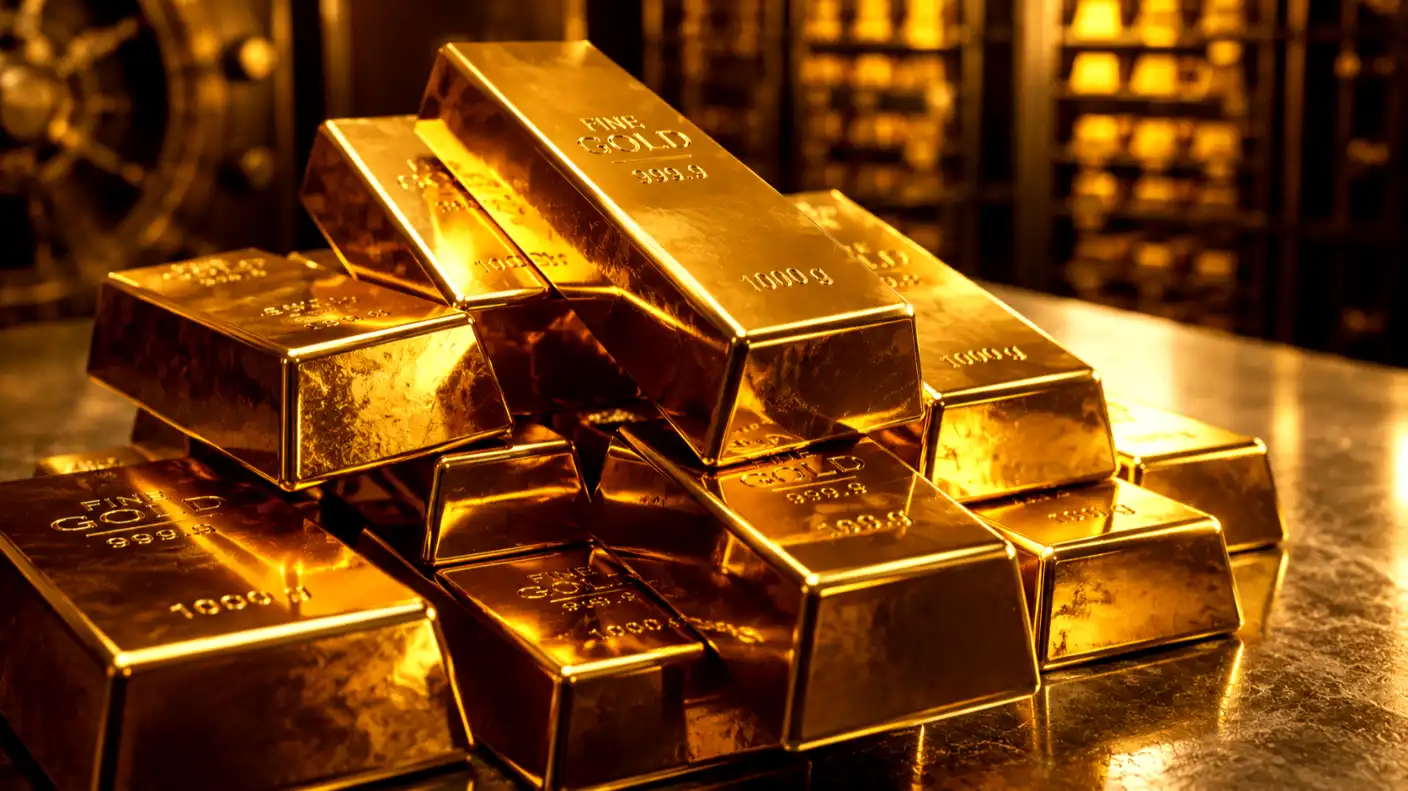
The foundations of the global financial system are shifting as central banks quietly orchestrate a massive, historic transition away from paper-based debt toward tangible assets. On Sunday, June 7, 2026, the People’s Bank of China (PBOC) announced that it had expanded its gold reserves for the 19th consecutive month in May. This persistent buying spree coincides with a landmark shift in global economics, where gold has officially overtaken the U.S. dollar and U.S. Treasury bonds as the world’s leading central bank reserve asset. This transition marks a critical turning point in international finance, demonstrating a collective, coordinated effort by sovereign nations to reduce their exposure to single-currency vulnerabilities.
According to the official data released by the Chinese central bank, the country added 320,000 ounces of gold to its state vaults in May. This monthly purchase has pushed China’s total gold reserves to a staggering 74.96 million ounces, which translates to approximately 2,332 metric tonnes. Concurrently, the State Administration of Foreign Exchange reported that China’s total foreign exchange reserves reached an immense $3.44 trillion by the end of May, up by $31.7 billion from April. This dual expansion of both gold and foreign currency reserves highlights the immense capital depth of the world’s second-largest economy.
While China’s individual gold purchases are impressive, they represent only one part of a much larger global movement. The European Central Bank (ECB) published its annual report on the international role of the euro on June 2, revealing a highly significant milestone. According to the ECB’s data, gold accounted for 27% of total global official reserves by the end of 2025, while the share of U.S. Treasury bonds fell from 25% to 22%. This marks the first time in modern economic history that physical gold has surpassed U.S. government debt as the largest component of global central bank reserves, highlighting a profound shift in how nations value sovereign debt relative to physical commodities.
This global transition away from the U.S. dollar is a direct result of escalating geopolitical tensions and aggressive sanctions policies. For decades, global central banks held U.S. Treasury bonds as the safest, most liquid asset on Earth. However, the Western decision to freeze hundreds of billions of dollars in Russian foreign reserves in 2022 sent a clear warning to non-aligned nations: keeping national wealth in foreign bank accounts exposes a country to sudden asset confiscation. Since then, emerging economies have aggressively accelerated their gold-buying programs, viewing physical metal stored in their own vaults as the ultimate, un-sanctionable hedge against foreign political pressure.
Financial experts agree that this long-term trend of gold accumulation is a structural, permanent shift rather than a temporary reaction to market fluctuations. In an interview with prominent business magazine Caijing, Gu Fengda, the chief analyst at Guoxin Futures, explained that the ongoing gold purchases represent a highly strategic and forward-looking deployment of resources. Gu noted that the international monetary system is undergoing a profound macroeconomic and geopolitical restructuring. In this volatile environment, central banks are intentionally using gold to anchor their financial sovereignty, moving away from a system dominated by a single, fiat-backed reserve currency.
The timing of these purchases is also highly strategic from a valuation perspective. While global gold prices have experienced short-term volatility, the downward price corrections offer central banks a lucrative opportunity to buy the metal at a discount. Gu emphasized that current lower gold prices offer greater long-term value for central banks, and the overarching structural trend of gold accumulation will not reverse simply because of short-term market fluctuations. Central banks are taking a multi-decade view, ignoring daily trading noise to build a highly resilient reserve base.
China’s immense domestic economy and robust manufacturing sector provide the central bank with an unparalleled buffer to fund this long-term asset accumulation. With the country’s trade surplus consistently generating over $60 billion per month—driven by high-tech and industrial exports—the central bank has secure, immense cash flows that easily surpass the $1 billion threshold required to fund continuous gold purchases. This massive trade engine ensures that even during periods of global financial market stress, a steady stream of foreign capital continues to flow into Chinese banks, providing the central bank with ample resources to expand its international assets.
The ongoing shift toward gold also reflects growing concerns regarding the fiscal health of the United States. As the U.S. national debt continues to climb at an unsustainable pace, global investors are questioning the long-term purchasing power of the dollar. High interest rates have made servicing this debt incredibly expensive, forcing Washington to borrow even more just to pay its bills. Even a minor 1.5% revaluation of global currency indexes can trigger massive reallocations in bond markets, making gold a highly stable anchor. By replacing U.S. Treasuries with physical gold, central banks are protecting their national wealth from the inevitable inflationary depreciation of the greenback.
China is not alone in its aggressive gold-buying campaign; central banks across emerging markets are pursuing similar strategies. Institutions in India, Turkey, Poland, and Singapore have also emerged as major, highly active buyers over the past year. This collective demand has driven gold prices to historic highs, proving that the metal remains the ultimate global currency. This widespread institutional buying has created a powerful, non-Western demand pool that limits Wall Street speculators’ ability to manipulate gold prices, thereby establishing a fairer, more democratic commodity market.
In the end, the People’s Bank of China’s 19th consecutive month of gold buying marks a vital milestone in the transition toward a multipolar financial world. By successfully accumulating 74.96 million ounces of gold alongside its $3.44 trillion foreign exchange reserves, Beijing has built an incredibly powerful shield against international economic shocks. As the ECB’s data confirms that gold has officially surpassed U.S. debt as the world’s premier reserve asset, the global financial system is entering a new era. The nations that successfully anchor their wealth in physical resources will dominate this next chapter of economic history. At the same time, those dependent on depreciating paper currencies will face a long, difficult decline.