Key Points:
- Tianjin Port achieved a historic milestone by powering its entire commercial port operations with 100% locally generated renewable energy.
- The world’s first smart zero-carbon container terminal utilizes a unified 5G and Beidou satellite navigation system for centimeter-level precision.
- The automated system has successfully reduced cargo loading and unloading times by 26.2% while improving vessel berthing efficiency.
- Digital twins and artificial intelligence algorithms direct nearly 100 autonomous vehicles, reducing overall operating costs by 30%.
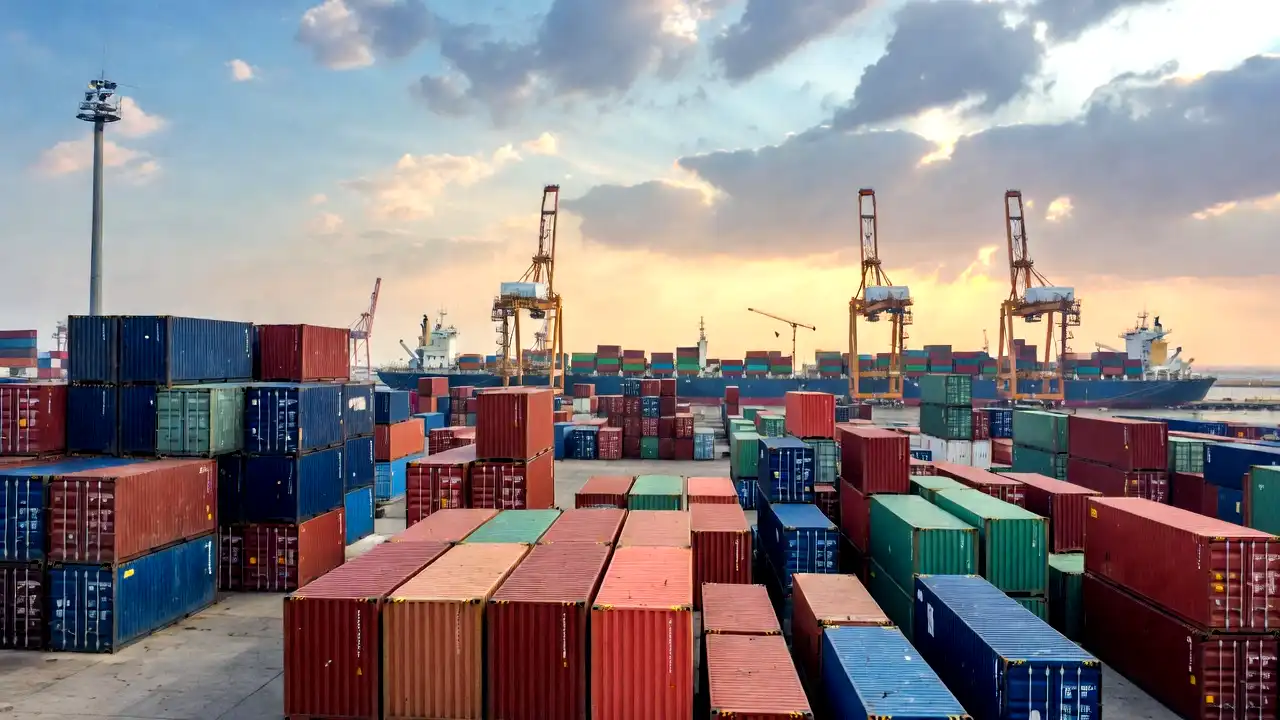
The global shipping industry is facing intense pressure to decarbonize, and one of the world’s largest maritime hubs has delivered a groundbreaking blueprint for sustainable industrial development. Earlier this year, Tianjin Port reached a historic milestone by powering its entire commercial port operations entirely with locally generated renewable energy. Ranked among the world’s top ten busiest container ports, this artificial deepwater facility has set an unprecedented global benchmark for green shipping. By combining a massive on-site wind-solar-storage energy network with cutting-edge artificial intelligence, the port has successfully eliminated its operational fossil-fuel footprint, proving that massive economic activity and ecological preservation can coexist.
The significance of this green transition is incredibly high when viewed against the broader backdrop of global trade emissions. International shipping and maritime transport drive approximately 90% of global trade. According to international environmental statistics, greenhouse gas emissions from global shipping routinely exceed 1 billion tonnes annually, accounting for nearly 3% of all human-induced carbon emissions worldwide. This massive carbon footprint has made the maritime and port sectors primary targets for strict international decarbonization mandates, forcing operators to explore creative ways to eliminate their reliance on coal and oil.
To address these environmental challenges, the port group embarked on an ambitious, multi-billion-dollar modernization program, starting with the construction of the world’s first “smart zero-carbon” container terminal at Section C. Unlike traditional, manual cargo hubs that rely heavily on fossil fuels and labor-intensive processes, this advanced facility runs entirely on electricity generated by its own integrated microgrid. This smart energy network features two massive 4.5-megawatt distributed wind turbines and a 1.43-megawatt-peak photovoltaic solar array. By combining on-site clean generation with an advanced lithium-ion battery storage system, the terminal has secured a 100% self-sufficient, carbon-neutral power supply.
Underpinning this green power grid is a highly sophisticated, next-generation digital nervous system. The terminal’s automated cranes and transport vehicles navigate the vast, human-free yards using what the port describes as the world’s first integrated 5G and Beidou satellite navigation system. By pairing high-speed 5G connectivity with China’s domestic Beidou satellite network, and fusing that data with advanced LiDAR sensors and camera-based vision systems, the terminal achieves centimeter-level positioning precision. This high-precision tracking allows autonomous machines to operate safely and continuously in all weather conditions, even during thick fog or heavy rain.
Moving containers efficiently across a vast, complex yard requires incredible coordination, which is why the terminal has deployed an advanced, artificial intelligence-powered horizontal transportation system. A cloud-based “intelligent port brain” automatically analyzes incoming vessel manifests, plans optimal loading and unloading sequences, and directs a fleet of nearly 100 autonomous electric flatbed trucks across the terminal. These driverless electric vehicles navigate themselves safely to storage yards, avoiding collisions and optimizing their speeds in real time to minimize energy consumption and eliminate unnecessary idling.
The real-world results of this high-tech, automated system have completely shattered previous industry benchmarks. The port’s centralized dispatching system has successfully cut cargo loading and unloading times by 26.2% compared to traditional manual operations, while simultaneously improving vessel berthing efficiency by 28%. By automating repetitive, high-risk tasks, the smart terminal operates with 60% fewer staff than manual yards. This reduction in headcount significantly improves workplace safety, as human operators no longer have to work in dangerous, close-quarters environments alongside heavy, swinging steel containers, instead choosing to monitor operations remotely from comfortable office computer screens.
The high level of automation also delivers outstanding financial benefits, driving down overall operating costs by approximately 30%. Because the terminal produces its own clean electricity on-site and utilizes advanced regenerative braking systems on its giant cranes to recycle energy, it consumes 17% less energy overall than traditional automated terminals. This self-powering design saves the port millions in annual electricity bills. This successful financial performance proves that investing in green, carbon-neutral technology is not a luxury, but a highly profitable strategy that can help shipping networks defend their profit margins from volatile fossil fuel prices.
To support this massive green transition across the entire port, local authorities have established a highly active, regional green electricity trading market. Since its launch, the green energy trading volume in the port city of Tianjin has skyrocketed, growing from 12 million kilowatt-hours (kWh) to over 17 billion kWh annually. This specialized market allows the port group to purchase verified renewable energy from solar and wind farms in distant provinces, including Gansu, Qinghai, and Heilongjiang. This external green power supply ensures that even during periods of low local wind or solar output, 100% of the port’s heavy machinery and operations remain backed by a certified renewable source.
These massive, multi-billion-dollar investments in green technology occur as port operators and logistics companies navigate rising global inflation and supply chain bottlenecks. Even a minor 1.5% increase in operational transit delays can trigger severe regional price spikes, forcing companies to spend millions in unexpected overhead. By automating its terminal operations and securing its own independent, zero-carbon power supply, the port has insulated itself from these rising macroeconomic pressures. The massive capital savings are crucial, allowing the port group to continue funding its ambitious digital and ecological expansion programs.
Ultimately, the successful green transition of Tianjin Port marks a vital turning page for the global shipping and logistics industries. What began as an ambitious ecological initiative has transformed into a highly competitive, self-sufficient, and technologically advanced maritime hub that sets a new standard for the digital age. By showing the world that automated, zero-carbon terminals can deliver superior efficiency and massive cost savings while simultaneously restoring the local coastal environment, the port is proving that the path to a sustainable, low-emission future does not require sacrificing economic growth.