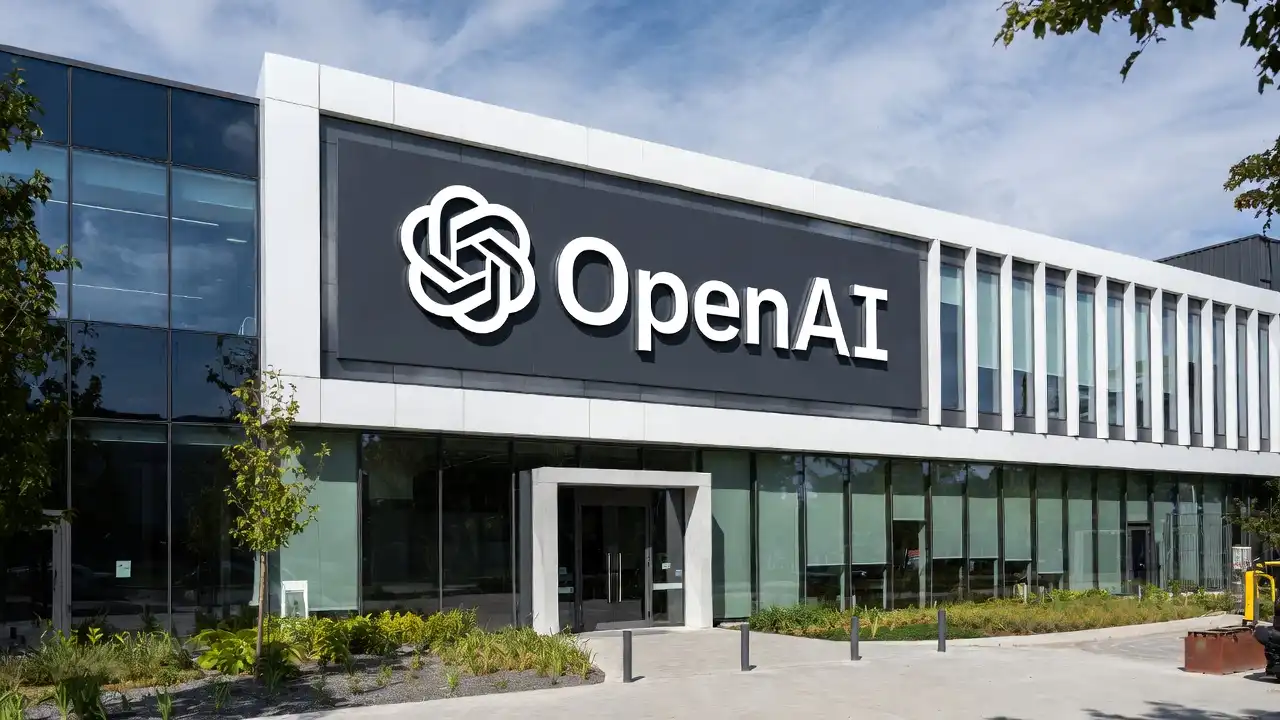
The global technology sector is preparing for an unprecedented wave of public listings, as the world’s most valuable artificial intelligence startups race to tap public markets. In a highly anticipated development, OpenAI, the creator of the wildly popular ChatGPT, recently took its first major step toward a public market debut.
According to a market report published by Yahoo Finance, the San Francisco-based software company has filed confidential registration paperwork with the Securities and Exchange Commission (SEC) to list its shares on the U.S. stock market.
This confidential filing represents a major milestone for the artificial intelligence industry, bringing the generative AI boom out of private venture capital funding and into the public spotlight. For the first time in history, regular retail investors and index fund managers will have a direct pathway to invest in the leading player of the AI revolution.
However, behind the high-profile media headlines and staggering valuation targets lies a complex, highly volatile financial reality. Before everyday investors rush to buy shares of the ChatGPT maker under the expected ticker symbol, they must carefully analyze the company’s actual economics, operational challenges, and corporate structure. Here are six crucial things you need to know before buying the OpenAI IPO.
The Massive $1 Trillion Valuation Target and the S-1 Process
The first and most notable aspect of the upcoming listing is the company’s jaw-dropping valuation target. During its last private funding round in March, the company successfully closed a massive $122 billion capital raise, pegging its private market valuation at approximately $852 billion.
Now, as it prepares to list its shares publicly, the company is reportedly targeting a post-listing valuation approaching $1 trillion. A $1 trillion valuation would immediately place OpenAI among the most valuable corporations on Earth, alongside tech giants like Microsoft, Apple, Nvidia, and Alphabet.
The Purpose of a Confidential S-1 Filing
To initiate this process, the company submitted a confidential draft S-1 registration statement to the SEC. This confidential filing pathway is a highly common strategic move for major technology firms. Under the rules of the Jumpstart Our Business Startups (JOBS) Act, private companies can submit their financial audits and corporate structures to regulators privately.
This process allows the company to negotiate regulatory disclosures and gauge institutional investor interest before its books are made public. Lead underwriters Goldman Sachs and Morgan Stanley will manage this confidential bookbuilding process over the coming weeks, targeting an official public listing as early as September.
Daunting Economics: The Massive GAAP vs. Non-GAAP Loss Gap
While the public markets have shown an insatiable appetite for AI companies, running a frontier artificial intelligence platform at scale remains incredibly expensive. The upcoming public listing will force the company to fully disclose its actual revenues, margins, and operating expenses for the very first time, putting its private valuation models to a hard test.
The $14 Billion Headline Loss
Industry analysts project that the company will generate approximately $24 billion in total revenue, running at a strong rate of $2 billion per month. However, the cost of renting massive server farms, buying expensive graphics processing units, and paying top-tier engineering talent is expected to result in a massive non-GAAP operating loss of approximately $14 billion.
The Stock-Based Compensation Squeeze
The financial picture becomes significantly more challenging under Generally Accepted Accounting Principles (GAAP) rules, which require companies to include stock-based compensation (SBC) in their official net income calculations. To attract and retain the world’s most talented AI researchers, the company relies heavily on lucrative stock grants.
Analysts estimate that once you add the projected $7 billion to $10 billion in stock-based compensation to the balance sheet, the company’s median GAAP net loss for the year will land closer to $25 billion or $26 billion.
This massive gap significantly changes the company’s financial runway calculations. While a $14 billion annual cash burn is easily covered by its current capital reserves, a $25 billion GAAP loss reduces its survival runway from eight years to just five, forcing the company to achieve profitability much faster than its private investors originally anticipated.
An Epic Back-to-Back Public Race Against Anthropic
OpenAI is not entering the public markets in a vacuum. The upcoming listing represents a direct, simultaneous battle for global capital against its fiercest competitor: Anthropic.
Anthropic, the high-profile startup founded by former researchers, filed its own confidential S-1 registration statement just days earlier, targeting a public valuation of approximately $965 billion. Anthropic has enjoyed spectacular success with the launch of its autonomous coding assistant, Claude Code, which has rapidly captured a massive share of the lucrative enterprise software market.
This simultaneous public filing schedule creates a direct, side-by-side comparison of frontier AI economics at a scale never before seen on Wall Street. For the first time, public fund managers will have the exact data needed to compare the growth rates, margins, and processing costs of the two dominant generative AI platforms.
If institutional investors decide that Anthropic’s enterprise-first, code-heavy business model offers a more sustainable path to profitability, they could easily allocate their capital away from the mass-market ChatGPT platform, putting significant pressure on the valuation during its roadshow.
The “AI IPO Trap”: Low Public Float and Lockup Architecture
Individual retail investors must also pay close attention to the structural architecture of the upcoming offering. Recent technology IPOs have shown that companies can experience extreme price volatility immediately after listing due to artificial supply constraints.
The Risk of a Restricted Public Float
When a highly anticipated technology giant goes public, the underwriters often restrict the “public float,” the total number of shares available to the public on the first day of trading. If the underwriters list only a tiny 5% or 10% fraction of the company’s total shares, the artificial supply shortage can cause the stock price to skyrocket during its first few days of trading, completely disconnected from its underlying financials.
The Looming Lock-Up Expiry
However, this rapid upward price movement is often highly temporary. Early venture capital backers, strategic partners like Microsoft, and corporate employees are typically bound by strict “lock-up” agreements that prevent them from selling their shares for 90 to 180 days after the IPO.
Once these lock-up restrictions expire, a massive wave of insider selling can hit the market, driving the stock price down rapidly and burning retail investors who bought shares at inflated prices on the opening day. Investors must carefully study the lock-up expiration schedule in the final S-1 prospectus to avoid falling into this common IPO trap.
Shuttering Non-Core Innovations to Protect Profitability
To satisfy public market investors who demand a clear path to profitability, the company has had to make tough decisions, quietly shuttering or delaying several of its most high-profile, non-core initiatives to conserve cash.
The Quiet Death of Sora
The most significant casualty of this cost-cutting drive was Sora, the highly publicized AI video generation application launched in late 2024. Despite having inked a major partnership with Disney, the company quietly shuttered the Sora project in April.
The software required massive amounts of computing power to generate high-resolution video frames, resulting in an unsustainable cost structure that would have severely damaged the company’s operating margins ahead of its IPO roadshow.
Scaling Back Hardware Ambitions
The company has also had to scale back its ambitious plans to design and manufacture its own consumer hardware. After acquiring Jony Ive’s design startup in early 2025, the company originally hoped to build a dedicated, voice-activated AI device to replace the smartphone.
However, those hardware initiatives have been indefinitely delayed, as the company focuses its limited engineering resources on its high-margin enterprise software and API business. This narrowing of focus shows that the company is actively trimming its operational sails to present the cleanest possible balance sheet to Wall Street.
Unprecedented $100 Billion Revenue Targets and the Advertising Play
To justify its massive $1 trillion valuation target, CEO Sam Altman is pitching an incredibly aggressive long-term revenue story to institutional investors. The company’s internal models project that total annual revenue will reach a staggering $100 billion by the year 2030, up from roughly $24 billion today.
The Pivot Into Digital Advertising
To hit this unprecedented target, the company is planning a major, controversial pivot into digital advertising, aiming to generate $2.5 billion in ad revenue this year alone by placing sponsored links and product recommendations directly inside ChatGPT’s conversational interface.
The Skeptical Wall Street Response
Many commercial analysts view this aggressive advertising target with deep skepticism. Research firms point out that to generate $2.5 billion in ad revenue within a single year, the company would have to build an enterprise ad business in roughly one-third of the time TikTok spent attempting the same milestone, which even TikTok has not reached after six years of existence.
Furthermore, placing sponsored ads inside an AI assistant risks damaging the user experience. If a user asks ChatGPT for a restaurant recommendation and receives a paid, sponsored ad rather than an objective suggestion, they may quickly migrate to cleaner, ad-free competitors, threatening the company’s core user base.
Conclusion
The upcoming initial public offering of OpenAI represents a historic moment for the technology sector, but the transaction carries significant real-world risks for public-market investors. While the company’s S-1 filing marks the transition of the generative AI boom into the public sphere, the massive GAAP net losses of over $25 billion, the fierce competition from Anthropic’s Claude Code, and the structural risks of restricted public floats require extreme caution. Furthermore, the company’s aggressive pivot into digital advertising and its highly ambitious $100 billion revenue targets have no precedent in corporate history. As the company prepares for its Wall Street debut, individual investors must look past the immediate media hype, carefully analyze the underlying numbers, and decide if they are willing to accept the volatile, high-stakes trade-offs of this historic artificial intelligence listing.