Key Points:
- The EU faces rising food security risks due to volatile energy and global fertilizer markets.
- EU Agriculture Commissioner Christophe Hansen warned that long-term fertilizer security is vital for food safety.
- Recent geopolitical disruptions led to fertilizer price increases of up to 40 percent in multiple European regions.
- Environmental advocates urge Brussels to promote regenerative farming to permanently lower dependence on chemical inputs.
Geopolitical instability at key energy chokepoints and surging input costs have forced the European Union to seek long-term fertilizer solutions to shield its agricultural sector. Highlighting the fragility of modern agriculture, policymaking in Brussels now focuses heavily on supply chain independence. Leaders argue that securing the continent’s fertilizer supply remains the only viable path to protecting European citizens from food shortages and extreme supermarket inflation.
Since early 2026, intensifying conflicts in the Middle East, particularly around critical maritime chokepoints such as the Strait of Hormuz, have disrupted global energy and chemical trade. Because traditional nitrogen fertilizer production depends heavily on natural gas as a hydrogen feedstock, gas price volatility directly threatens European manufacturing. The resulting economic shockwaves pushed local fertilizer costs up by 20% to 40%, leaving many European farmers operating on razor-thin margins.
European Commissioner for Agriculture and Food Christophe Hansen issued a blunt warning about the unfolding crisis. During discussions regarding the future of European farming, Hansen emphasized that food security starts with fertilizer security. He argued that the bloc cannot afford to remain vulnerable to external energy shocks, which inevitably translate into lower crop yields and higher grocery prices.
To address the mounting crisis, the European Commission is exploring innovative funding strategies. According to a document seen by Euronews, Brussels is considering using revenues from the EU’s carbon market, the Emissions Trading System, to subsidize farmers struggling with soaring input costs. This temporary cushion aims to shield agricultural operations from extreme market volatility while the Commission drafts a comprehensive Fertilizer Action Plan to build regional resilience.
However, not all proposed solutions have received universal praise. Recent regulatory shifts to allow more processed animal manure as an alternative fertilizer have drawn criticism from environmental advocacy groups. Critics argue that promoting processed manure rules, known as RENURE, could perpetuate a heavy reliance on nitrogen-based inputs in areas already suffering from nitrate contamination. These advocates demand that any long-term strategy prioritize ecological health alongside industrial output.
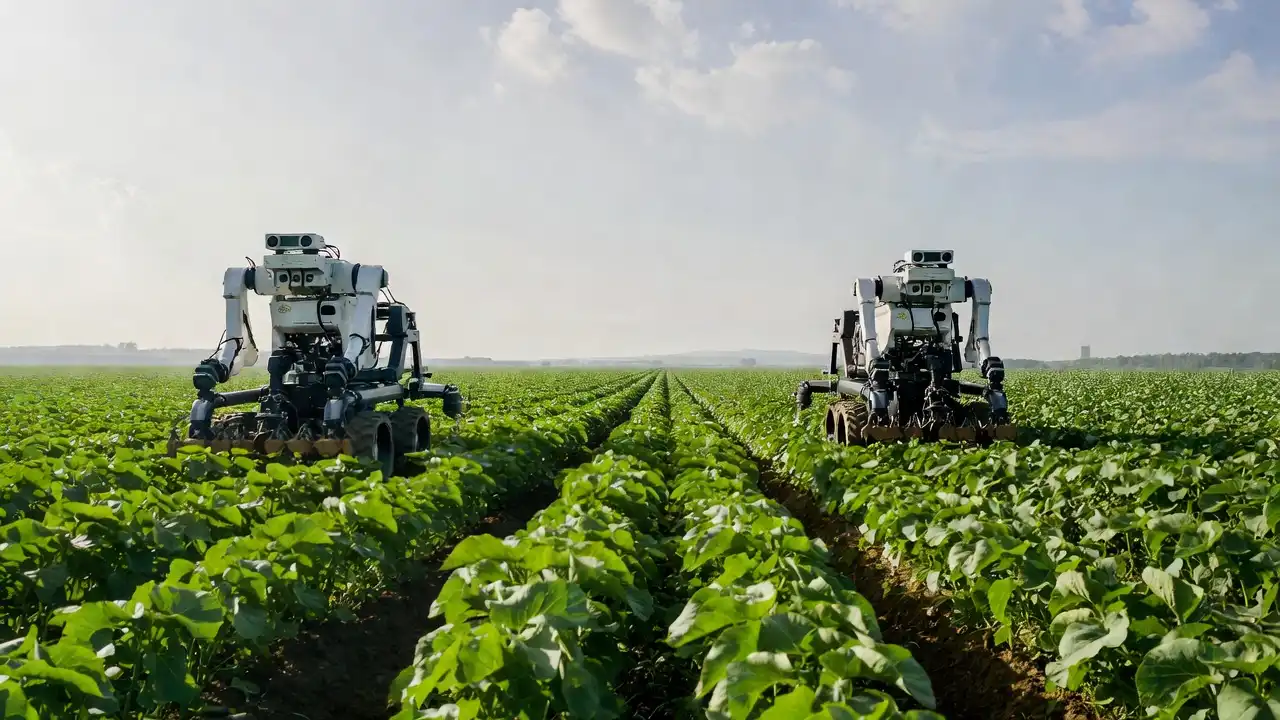
In response to the high-input system, a growing number of European farmers are turning to regenerative agriculture. Pioneering farms in Finland, Switzerland, and Greece are actively reducing their dependency on synthetic chemicals. By using diverse crop rotations, cover crops, and natural composting, these operations achieve near-normal yields while using up to 61% less synthetic nitrogen fertilizer. This shift not only lowers production costs but also improves water retention and overall soil resilience against extreme weather events.
The push for sustainability aligns directly with the EU’s established environmental goals. The Farm to Fork strategy outlines targets to reduce nutrient losses from chemical fertilizers by at least 50% by 2030, with a corresponding 20% drop in overall usage. While some chemical manufacturing giants claim that reducing pesticide and chemical fertilizer use will lead to immediate crop shortages, advocates counter that a gradual, tech-driven transition is the only way to prevent a catastrophic resource collapse.
The ongoing fertilizer crisis underscores the urgent need for a cohesive, future-proof European agricultural model. Relying on short-term subsidies and emergency aid will only delay the inevitable systemic adjustments. Whether through funding green ammonia production or supporting farmers in their transition to organic methods, the choices made by European leaders over the coming months will shape the continent’s food sovereignty for decades to come.