For generations, leaving the house required a mental checklist: keys, phone, and wallet. That physical leather pocketbook held our cash, coins, family photos, and a growing stack of plastic cards. If we forgot it, our day ground to a halt. Today, we are watching the final days of this physical tradition. We live in a mobile-first society where the smartphone serves as the central hub of our daily lives. People now routinely leave their homes with nothing but a phone in their hands. This shift is not just about convenience; it is completely transforming how we buy goods, prove our identity, and manage our personal wealth globally.
The Frictionless Speed of Daily Trade
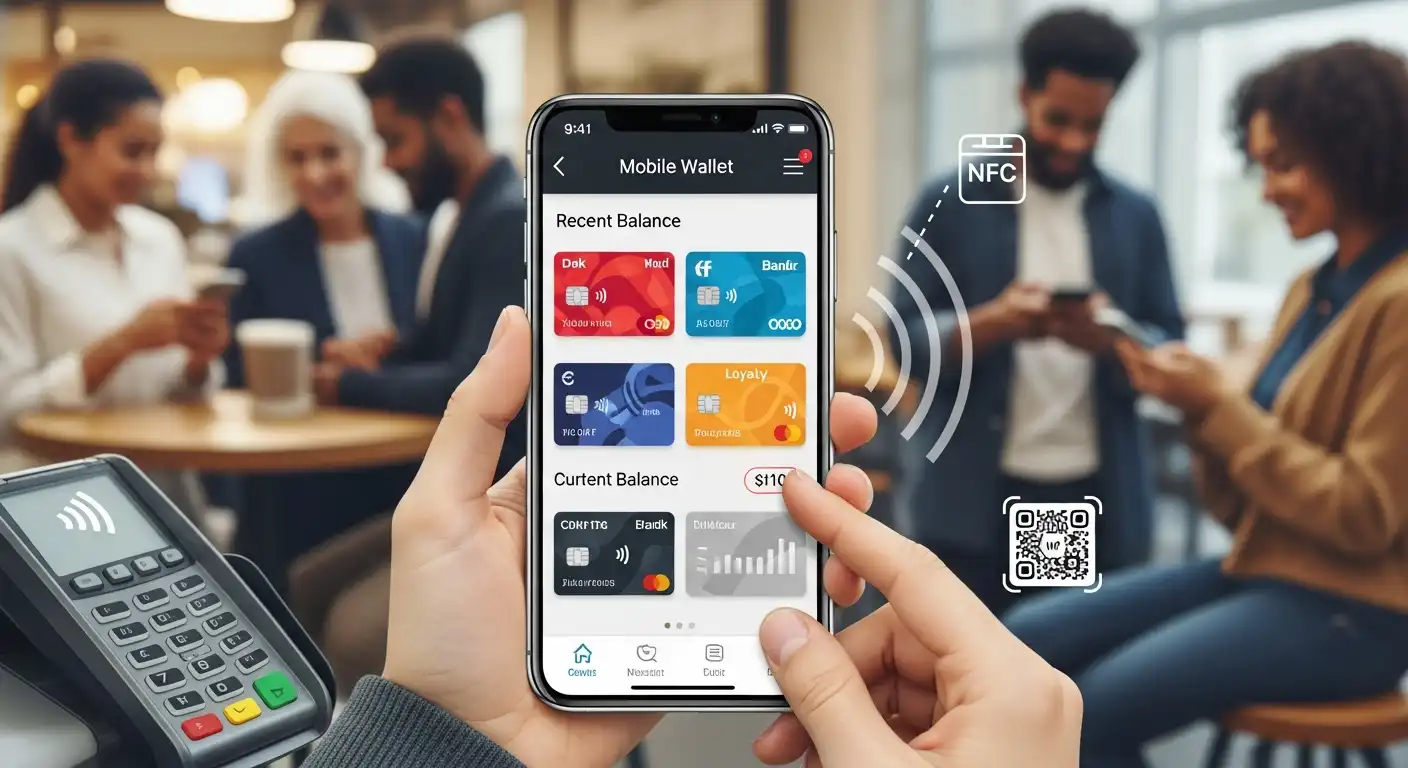
Physical money is slow, dirty, and incredibly inefficient. You have to wait in line at an ATM, count out paper bills, and wait for a clerk to search for metal coins to give you change. A digital wallet completely removes this friction. You simply tap your phone or scan a QR code at the counter, and the transaction finishes in a second. This speed allows businesses to process more customers in less time. It keeps the daily economy moving at the speed of the internet. For the average person, it means saving hours of wasted time every single month.
Tearing Down the Walls of Banking Exclusion
Traditional banks historically ignored billions of people because they lived in rural areas or earned too little to justify opening a physical branch. They locked these communities out of the global economy. Mobile-first digital wallets have completely shattered these barriers. Today, a small farmer or a street vendor does not need a fancy bank account; they only need a cheap smartphone. They can open a digital wallet in minutes, receive payments from across the country, and build a verified transaction history that lets them borrow money safely. We are finally democratizing financial power.
Digital Identity Stored in One Secure Place
Your physical wallet does not just hold money; it also holds your ID cards, driver’s license, insurance cards, and transit passes. Digital wallets are rapidly absorbing these items as well. Today, you can store a verified digital version of your government-issued ID directly inside your phone’s secure wallet. When you need to prove your age or your identity, you simply show a QR code. This digital identity is much harder to fake than a plastic card, and it keeps your private data secure because you choose exactly what information to share.
The End of the Hidden Bank Fees
Traditional banking often feels like a series of hidden traps. You face monthly maintenance fees, charges for using another bank’s ATM, and expensive fees for sending money to friends. Digital wallets are forcing these old institutions to change or die. Many digital wallet platforms offer peer-to-peer transfers with zero fees. They make it cheap and easy to move money instantly. This pressure is forcing traditional banks to eliminate their predatory fees just to survive. We are building a financial system where your own money actually belongs to you, not the bank.
Real-Time Tracking of Your Financial Habits
When you spend physical cash, the money simply disappears from your pocket. By the end of the week, you often find yourself wondering where your entire paycheck went. Digital wallets provide instant, real-time tracking of your spending habits. The moment you make a purchase, your app categorizes the expense, updates your weekly budget, and sends a notification to your screen. You stop guessing and start knowing. This active feedback loop helps people make smarter financial decisions daily, building savings instead of falling into debt.
Protecting Your Wealth from Physical Theft
If a pickpocket steals your physical leather wallet, your cash is gone forever. The thief can also try to use your credit cards before you can call the bank to freeze them. A digital wallet offers much stronger protection. Even if a criminal steals your phone, they cannot access your digital wallet without your biometric fingerprint or facial scan. The data stored in the wallet is heavily encrypted. You can simply log into another device and freeze your digital cards instantly, keeping your life savings perfectly safe from street crime.
The Real Risk of a Digital Blackout
While we celebrate the speed of a cashless society, we must remain honest about its vulnerabilities. When you put all your eggs in one digital basket, you become entirely dependent on technology. If a severe storm knocks out the local internet grid, or if your phone battery dies while you are away from home, you suddenly cannot buy food, pay for a ride, or prove your identity. We must design our digital wallets to work offline. We need secure, local-first protocols that allow for small offline payments during emergencies, ensuring that a dead battery does not freeze our entire lives.
Conclusion
The transition to a mobile-first society is one of the most significant economic upgrades in human history. By replacing physical cash, plastic cards, and paper IDs with digital wallets, we are building a world that is faster, safer, and far more inclusive. We still face real challenges regarding digital access and system stability, but we cannot turn back the clock. The future of money and identity is digital, and it lives firmly inside our pockets. By embracing this change, we give everyone a fair chance to participate in the global economy, making everyday trade a simple, seamless part of life.