Key Points:
- Energy experts warn that global fuel supplies and high gasoline prices will not recover overnight.
- It will take months to clear shipping backlogs and reduce high maritime war risk insurance premiums.
- While Saudi Arabia and the UAE can resume exports quickly, Iraq’s recovery could take up to a year.
- A multi-billion-dollar investment freeze during the conflict has created a long-term capital deficit.
Oil Markets Face a long, highly complex recovery road despite the announcement of a tentative peace agreement to end the U.S.-led war on Iran and reopen the critical Strait of Hormuz. While President Donald Trump declared the deal complete over the weekend, energy experts warn that the global energy supply crisis, skyrocketing crude prices, and high gasoline costs will not vanish overnight. The physical and regulatory machinery behind global petroleum logistics moves at a slow pace, meaning it will likely take months before energy companies can ramp up operations to meet the world’s real-world demands.
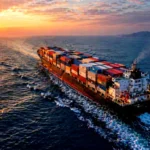
The first major obstacle to normal trade flows is the massive shipping bottleneck currently trapping fleets of cargo vessels. For more than three months, dozens of tankers loaded with crude oil have sat stranded in the Persian Gulf, unable to safely navigate the heavily contested waterway. Maritime risk experts explain that shippers will not return to the strait until naval demining units can completely clear the waters of physical wreckage. Furthermore, insurance companies will demand a prolonged “probationary period” to verify the stability of the ceasefire before reducing maritime war risk insurance premiums from their current prohibitive peak of 1% to 1.5% of hull value.
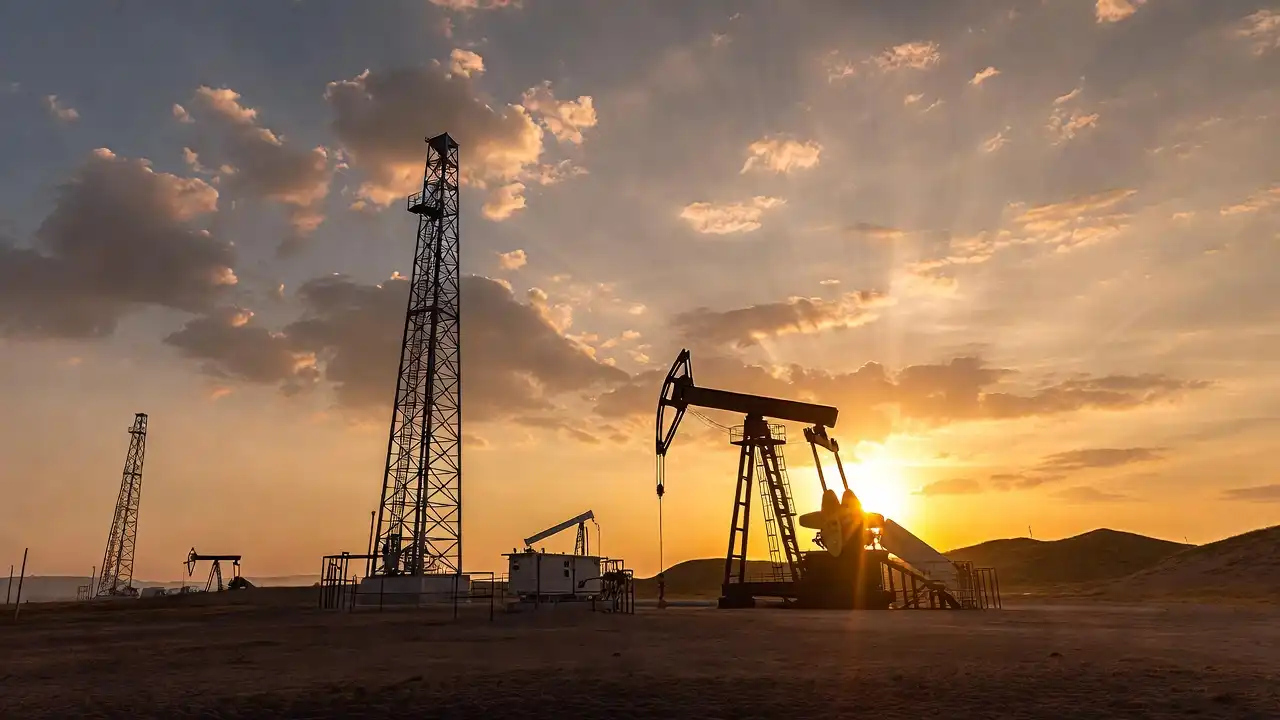
Once shipping lanes reopen, the technical process of restarting shut-in wells will produce highly uneven recovery timelines across the Middle East. Analysts at the energy research firm Wood Mackenzie project that Saudi Arabia and the United Arab Emirates will be the quickest to resume normal export volumes. Because both nations maintain extensive, alternative pipeline networks that bypass the Strait of Hormuz entirely, they managed to keep a significant portion of their production online during the war. These bypass routes allow them to ramp up physical deliveries almost immediately, providing vital near-term liquidity to global markets.
In contrast, other major producers face a far more difficult and prolonged technical challenge. Countries like Iraq, which rely almost entirely on Persian Gulf ports to export their oil, had to implement massive, near-total production shut-ins when the war began. Wood Mackenzie’s senior vice president of refining and oil markets, Alan Gelder, warned that restarting these complex, highly pressurized oil fields is a slow engineering task. Gelder estimated that it could take about a year before Iraq’s crude oil production can return to its pre-war levels, leaving a significant supply deficit in the market for months.
A severe, multi-billion-dollar investment freeze has further hindered the long-term recovery of global energy supplies. Following the closure of the Strait of Hormuz in late February, private venture capital and corporate spending on oil and gas exploration ground to an absolute halt. Because large-scale energy projects typically require years of continuous funding before delivering first oil, this months-long investment pause has created a major technological gap. Rebuilding investor confidence and restarting these massive, multi-billion-dollar capital projects will take considerable time, even after negotiators sign the official peace treaty.
To complicate matters, both national governments and private oil companies remain highly skeptical about the durability of the proposed ceasefire. Daniel Sternoff, a senior fellow at Columbia University’s Center on Global Energy Policy, noted that producers who shut in their wells will not invest more capital until they are confident that the peace agreement is stable. Sternoff emphasized that companies want to know whether the ceasefire will last more than 30 or 60 days before they commit to expensive, long-term restart plans. Without a durable and transparent peace framework, the market will likely remain in a defensive, low-production posture.
The diplomatic process itself remains highly delicate, with major technical details still unresolved. While the White House declared that both nations have approved the core memorandum of understanding, the official, binding peace treaty is scheduled to be signed only on Friday, June 19, in Switzerland. Until the representatives actually sign the accord and the U.S. government formally unravels its complex web of secondary sanctions on Iranian oil, the physical trade flows cannot resume. This legal and administrative transition will require careful, step-by-step coordination to prevent compliance violations.
The moderate, range-bound pricing of global crude oil demonstrates that while the U.S.-Iran peace talks have successfully defused an immediate catastrophe, the energy sector faces a prolonged recovery. Rebuilding the physical, financial, and political infrastructure of the global energy supply chain requires much more than simply signing a treaty in Geneva. As the world prepares to navigate this transition, central banks and consumers must remain prepared for high, volatile energy costs throughout the summer. Ultimately, the long way back for oil markets shows that once global trade routes are shattered, putting them back together is a slow and arduous process.