

Key Points:
- Electronic Arts launched “EA Advertising,” a dedicated platform to serve dynamic, real-time ads in games.
- Sponsoring brands will integrate directly into gameplay environments like stadium billboards and scoreboards.
- The platform features a custom ad server and SDK built specifically for EA’s Frostbite game engine.
- Early partners include Visa, Lowe’s, Red Bull, and Mountain Dew, targeting a 120 million monthly player base.
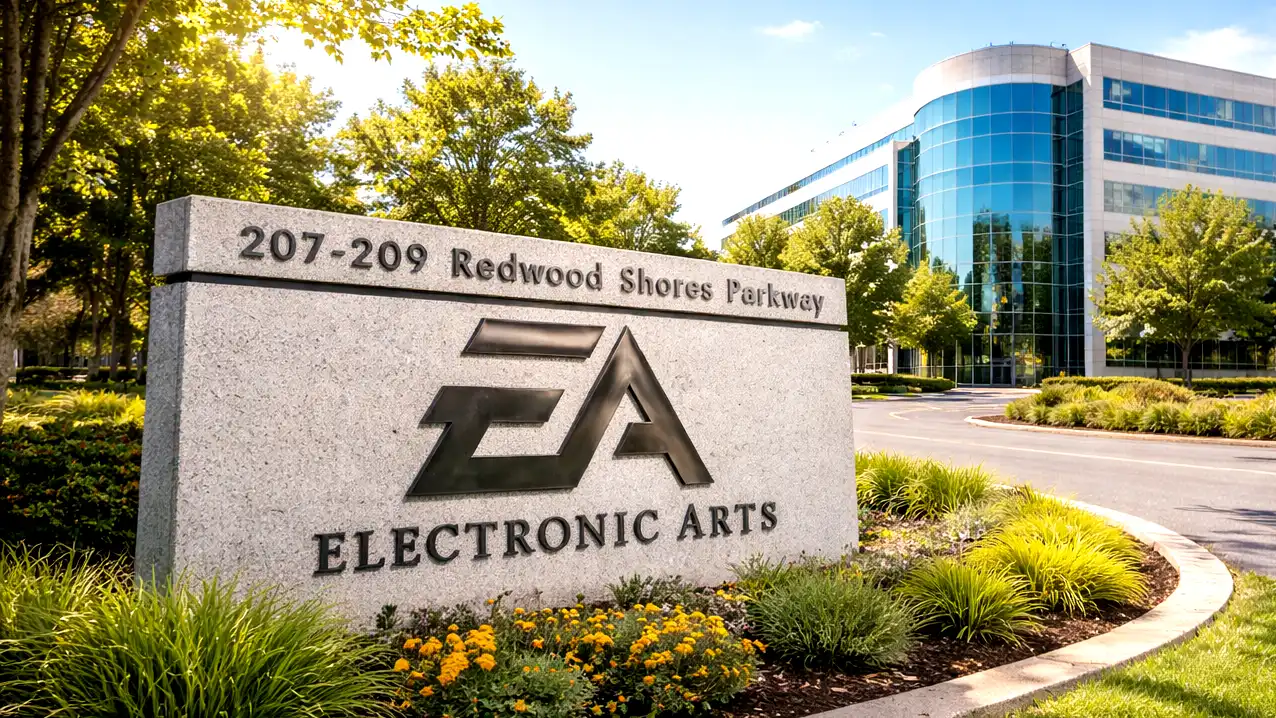
Electronic Arts Launches a dedicated, high-tech in-game advertising business called “EA Advertising” to monetize its massive global user base of over 120 million monthly active players. The prominent video game publisher announced the new platform, which is designed to integrate sponsor brands directly into active gameplay and live experiences. By establishing a centralized ad network built natively into its technology, the company wants to turn video games into dynamic marketing channels, allowing major consumer brands to buy ad space in real time as players engage with their favorite virtual worlds.
The new advertising platform enables dynamic, real-time ad placements designed to enhance, rather than disrupt, the player experience. According to a report by CNBC, the software giant will allow brands to buy digital space on stadium billboards, scoreboards, and broadcast overlays inside its popular sports titles. Additionally, advertisers can sponsor in-game challenges and reward-driven objectives, offering players branded virtual items, such as vanity gear or custom cosmetic skins. This approach mimics real-world sports marketing, allowing brands to become an organic part of the entertainment environment.
The company plans to deploy this advertising network across its massive portfolio of globally recognized franchises. Initially, the program focuses heavily on its market-leading sports simulation titles, including EA SPORTS FC—where players complete over 1 billion matches every month—alongside Madden NFL and College Football. However, the company is also expanding the ad network to non-sports franchises, including its highly popular lifestyle simulator The Sims, which recently hosted custom branding events for fashion house Coach, and its upcoming street-skating title Skate.
To support this massive marketing push, the company has engineered a sophisticated, proprietary ad server and software development kit (SDK) built specifically for its in-house Frostbite game engine. This custom hardware and software integration allows the ad server to dynamically deliver, rotate, and optimize ads in real time without lagging the gameplay. This technology also introduces what the firm calls “Ad Science”—an advanced analytical tool that measures impressions and evaluates aggregated engagement data, giving advertisers deep, real-time insights into how players interact with their brands.
The high-profile launch has already attracted several of the world’s most recognizable consumer brands as initial partners. Global companies, including Visa, home-improvement retailer Lowe’s, energy drink maker Red Bull, soda giant Mountain Dew, Comcast’s Xfinity, and streaming service Peacock, have signed on to the company’s new EA SPORTS Partner Program. This exclusive program grants these early adopters priority access to co-created fan experiences, athlete-driven marketing campaigns, and specialized in-game integrations designed to build deep consumer connections with the younger gaming demographic.
David Tinson, the company’s Chief Experiences Officer, defended the new business division by arguing that modern gaming environments offer a highly natural, authentic space for brand engagement. Tinson noted that players come to the company’s games every day to play, watch, create, and connect with friends, giving brands a highly meaningful opportunity to show up in ways that add value while respecting the player experience. He emphasized that the company designed the platform to maintain authenticity, helping brands become an organic part of those highly engaging moments.
Despite the company’s reassuring marketing language, the decision to formalize in-game advertising remains highly controversial within the gaming community. Gamers have historically shown fierce resistance to advertisements in premium, full-priced titles, viewing the practice as an intrusive encroachment. The debate reached a boiling point recently when Take-Two Interactive CEO Strauss Zelnick publicly declared that putting in-game ads inside premium titles is “unfair” to consumers. However, as game development budgets balloon and profit margins shrink across the industry, publishers face growing pressure to find alternative, recurring revenue streams.
The launch of the dedicated advertising division also occurs against a backdrop of intense corporate restructuring and financial pressure. Industry reports indicate that the publishing giant is currently the target of a massive, potential $55 billion leveraged buyout offer led by Saudi Arabia’s Public Investment Fund (PIF) through its Savvy Games Group. Because of this looming corporate pressure, the executive team must maximize its average revenue per user. By building a highly scalable, automated ad network directly into its software, the company wants to prove to both public markets and potential buyers that its digital estate represents an incredibly lucrative advertising platform.
The debut of the new advertising platform marks a permanent turning page for the video game industry and the future of digital marketing. While some portion of the gaming community will likely continue to protest the commercialization of their virtual environments, the massive financial success of early brand integrations proves that in-game ads are here to stay. As the company continues to refine its “Ad Science” analytics and expand its partner program, other major publishers will likely follow its lead. The coming years will determine whether this automated marketing model can successfully balance player immersion with corporate profitability, redefining the boundaries of interactive entertainment.






